
Self-host teable
release.2026-11-13T02-21-01Z.3890AI Spreadsheet for Business | Build workflows & apps
- Stars
- 21 995
- Port
- 3000 (Application server)
- Requires
- PostgreSQL, Redis
ghcr.io/teableio/teable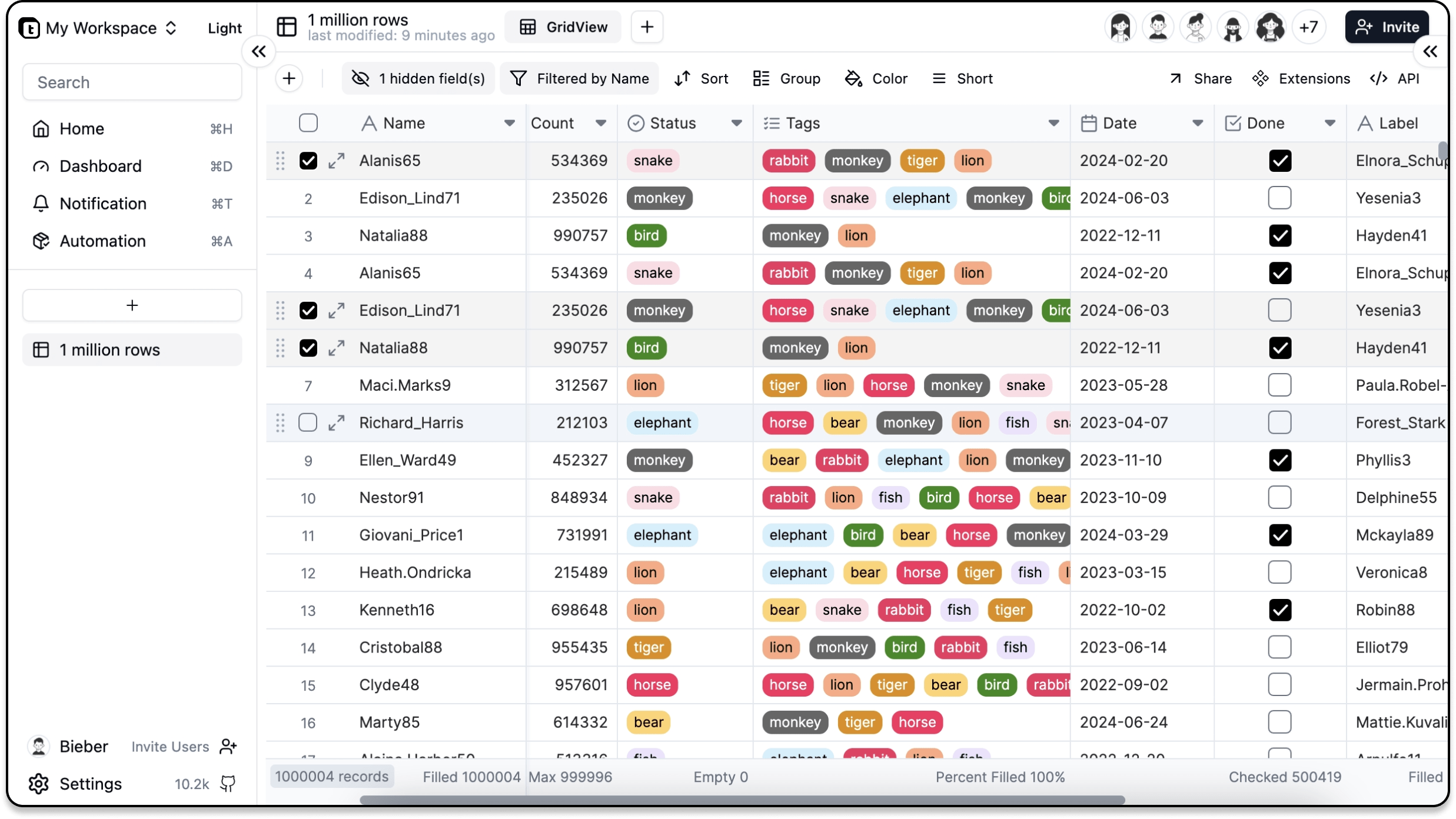
What is teable?
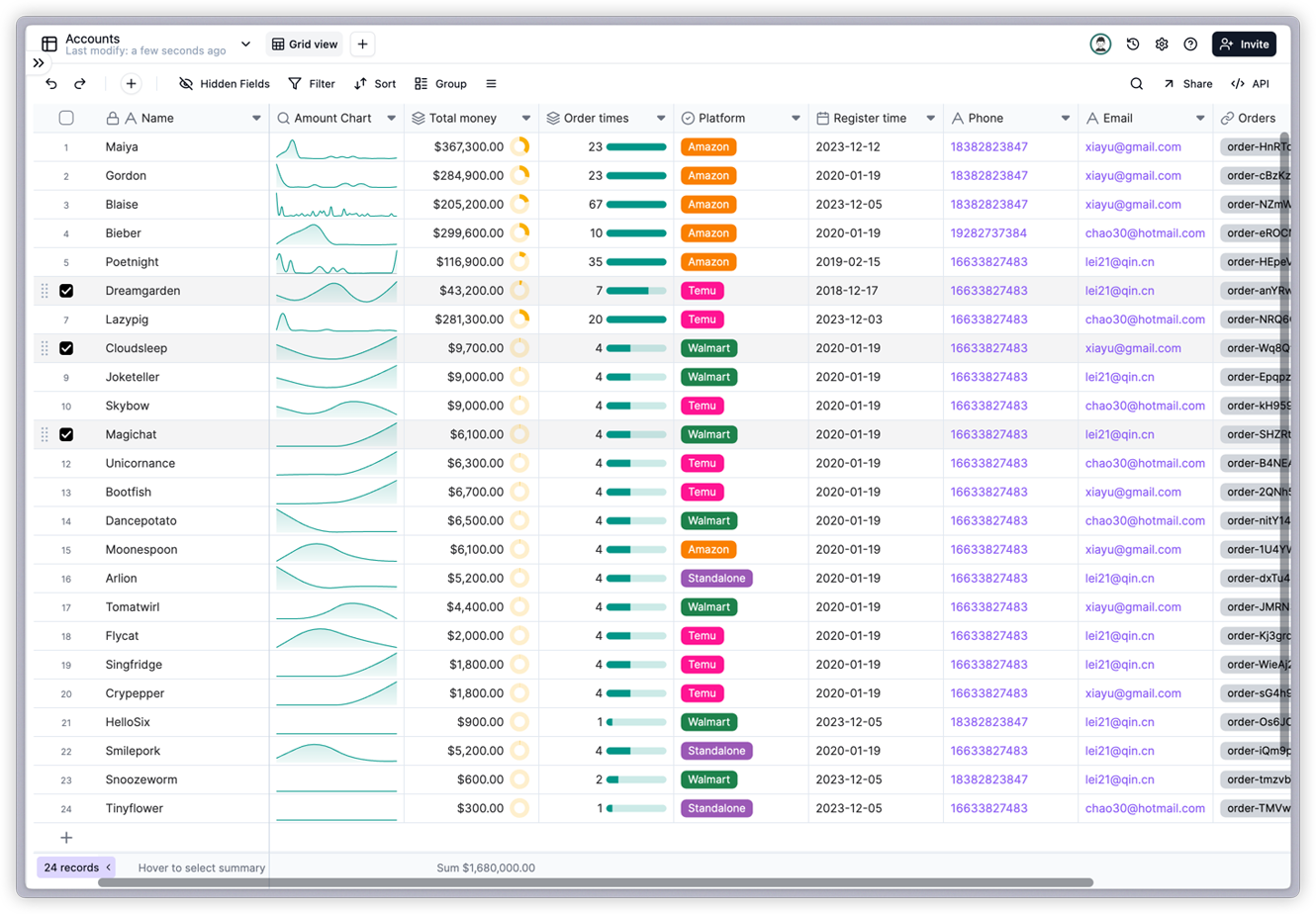
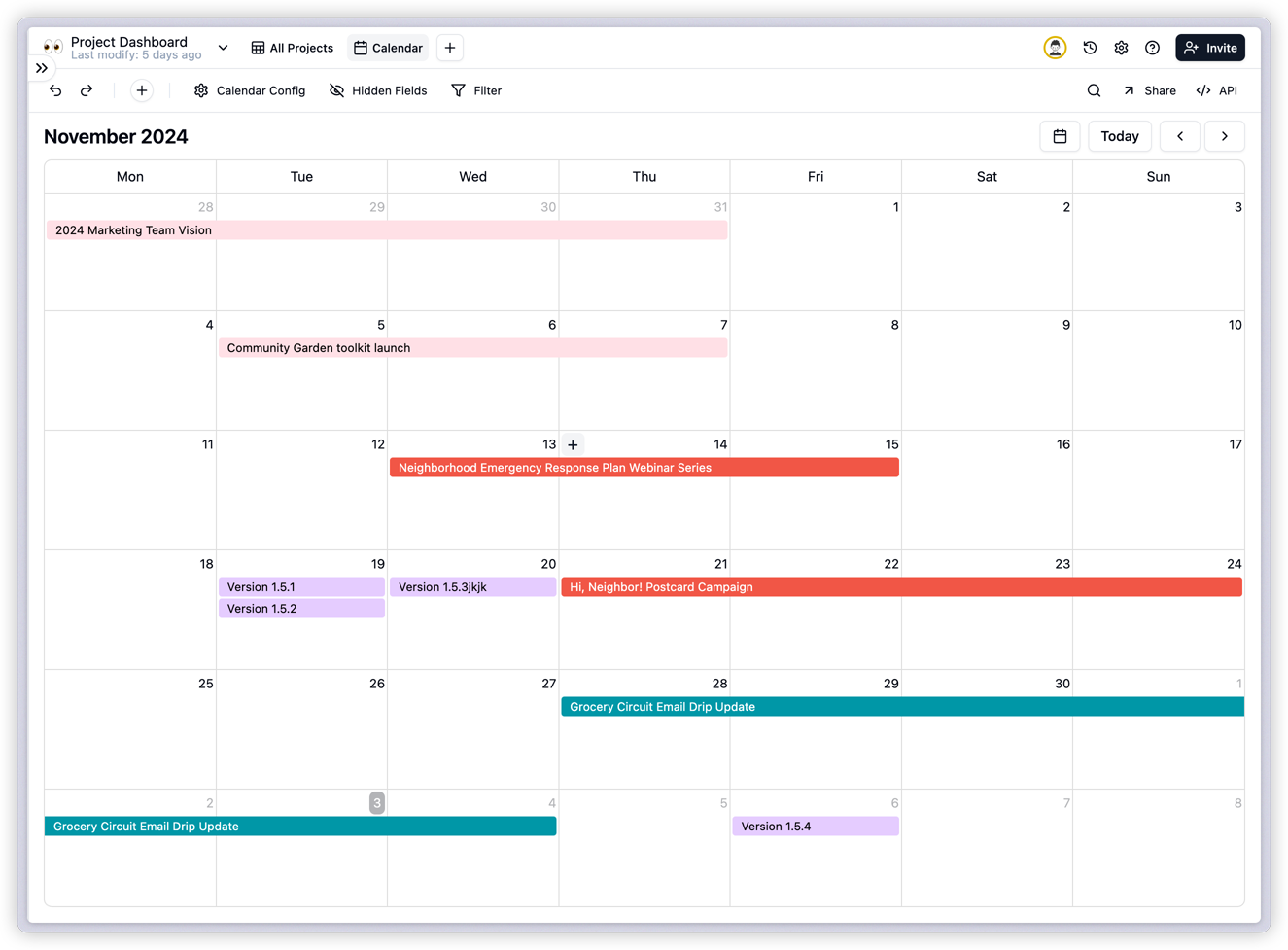
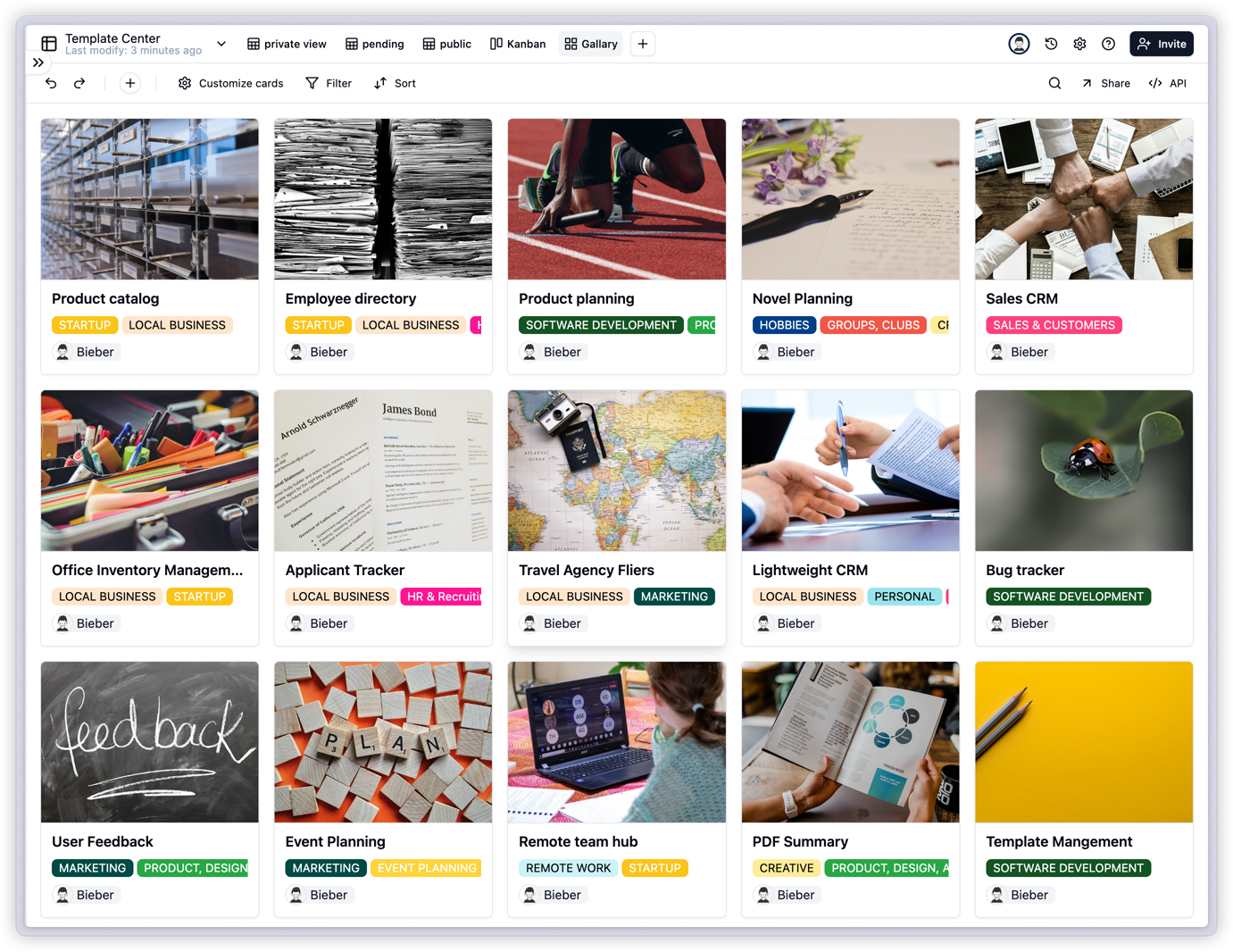
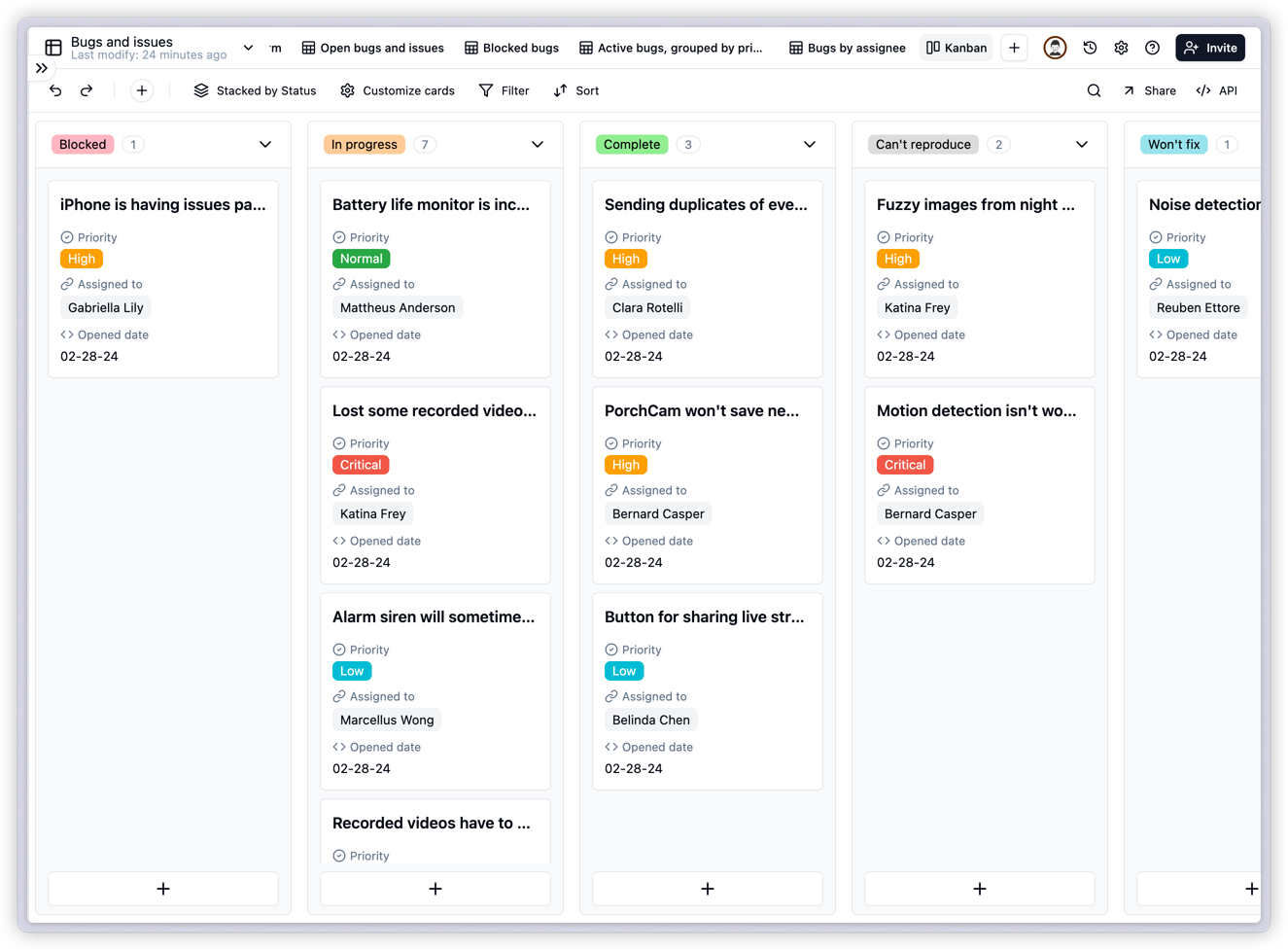
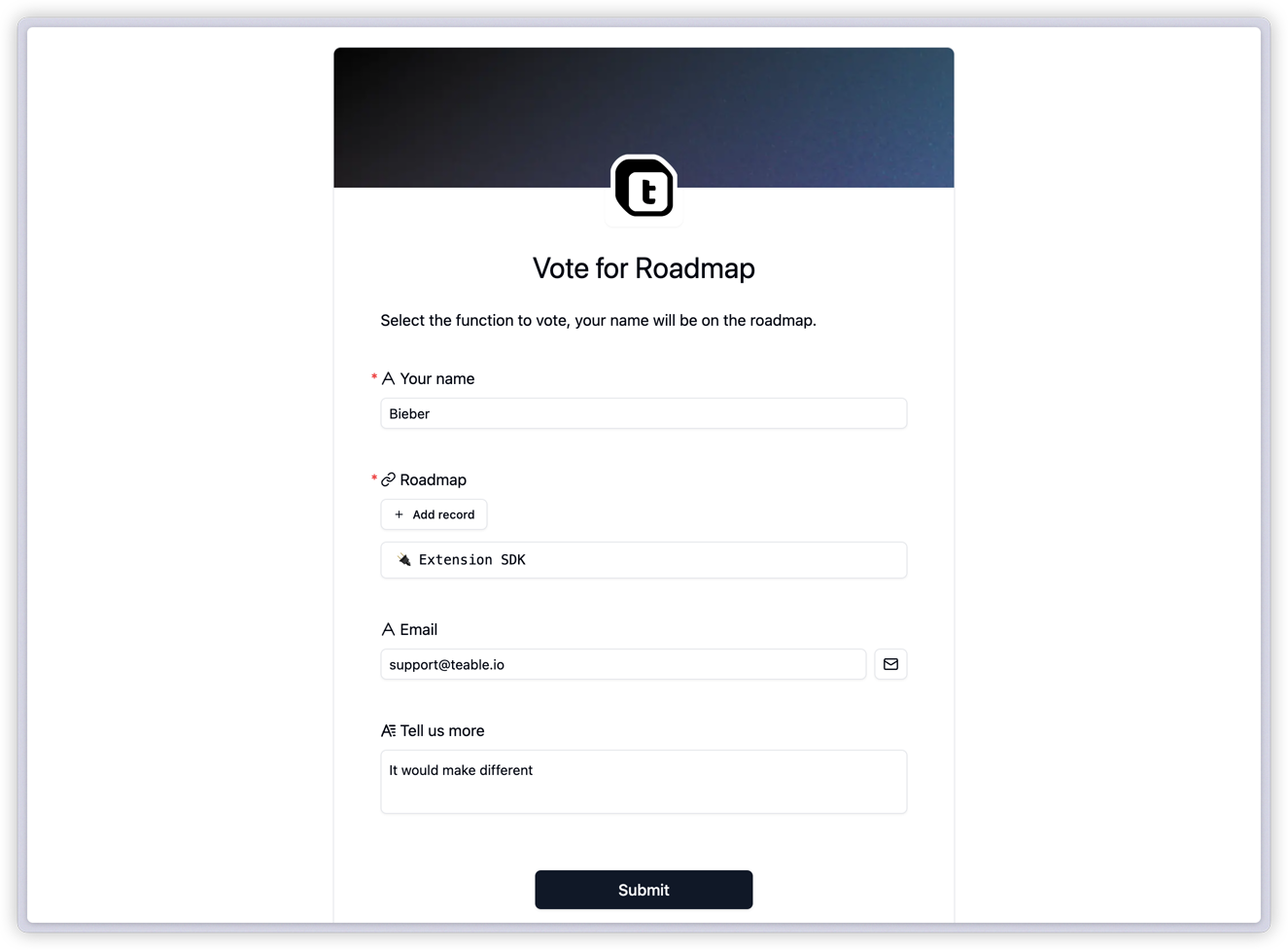
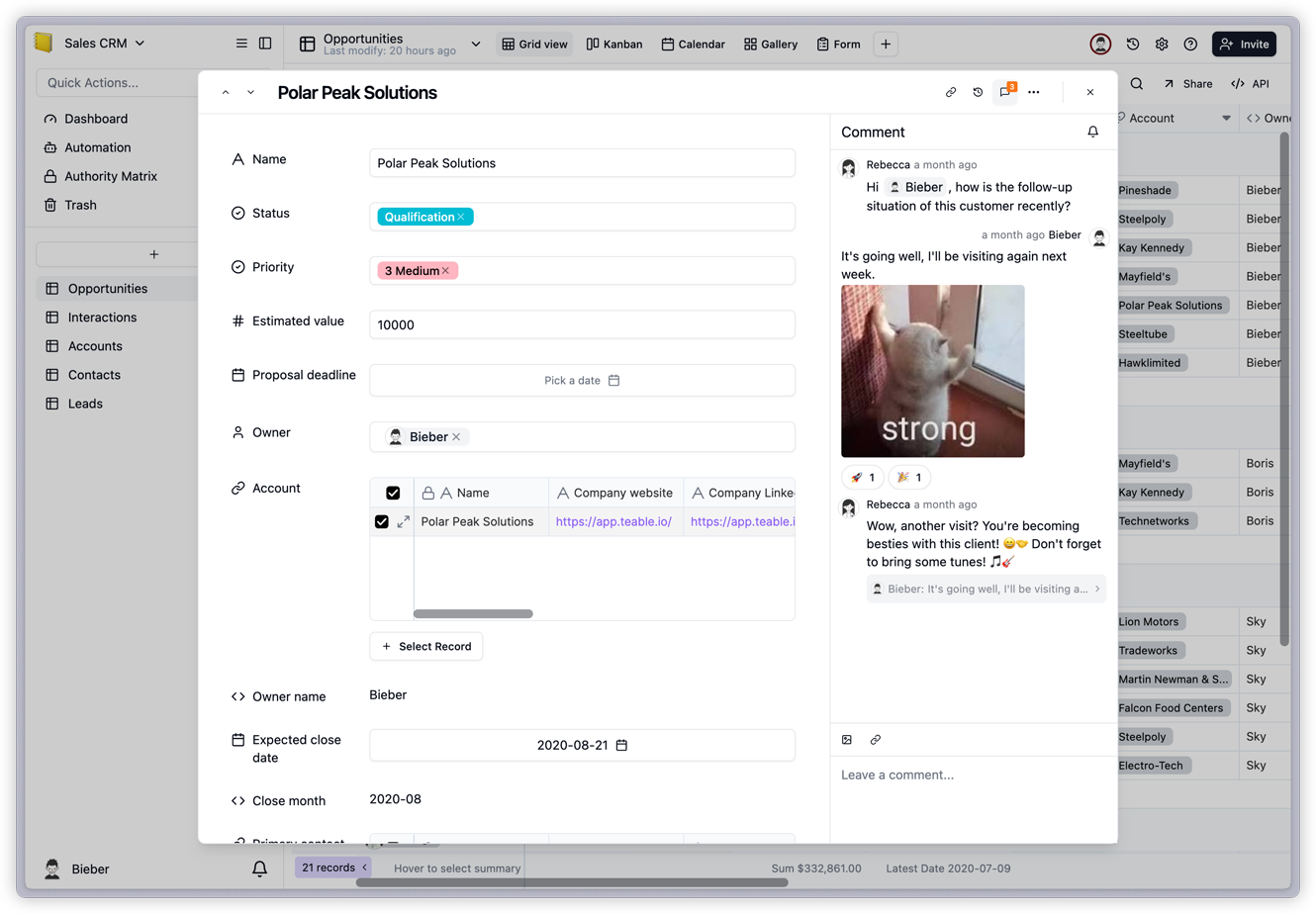
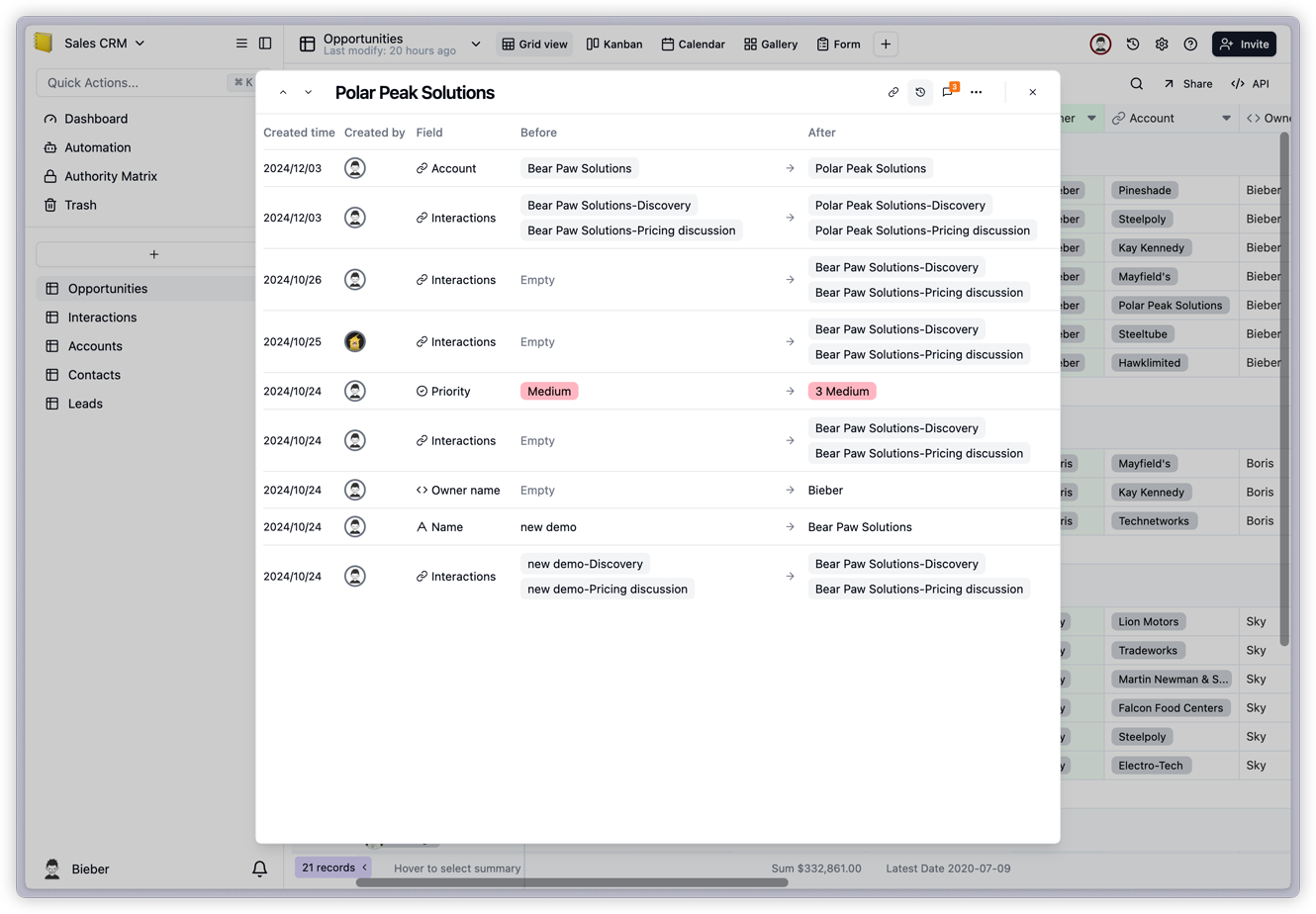
Teable is an AI-powered spreadsheet application designed for business teams who need flexible data management with powerful automation capabilities. It combines familiar grid views with PostgreSQL's reliability underneath, allowing users to build custom applications through natural language conversations. The platform supports tables, kanban boards, galleries, forms, calendars, real-time collaboration, and AI-driven automations. Self-hosting options include both standalone mode for basic functionality and full-featured deployment with AI capabilities via Docker Compose or Kubernetes.
teable alternatives
 Manor AISelf-hosted AI workspace for small teams to run governed agents with bring-your-own keys, workflows, tools, and human approvals.CompareManor AI with teable
 PlatypusPlatypus is a self-hosted, open-source platform for building AI agents with multi-tenant workspaces, MCP, A2A, Kanban boards, and memory.ComparePlatypus with teable
 bytechefSelf-hosted open-source platform unifying AI agents and workflow automation with 270+ connectors, visual editor, and durable execution.Comparebytechef with teable
 AgentaOpen-source, self-hosted workspace where teams build AI agents by chatting, run them in Slack, Telegram or WhatsApp, and schedule automations on any LLM.CompareAgenta with teable
 ToolJetSelf-hosted, open-source low-code platform for internal tools and dashboards: visual builder, 90+ data sources, built-in database, AI app generation and MCP agent access.CompareToolJet with teable
 MachinaOSSelf-hosted open-source AI organisation with six specialised employees owning business functions end-to-end. Token budget, bring your own model keys.CompareMachinaOS with teable
 BaserowA self-hosted, open-source Airtable alternative: no-code databases with forms, automations and an app builder, MIT-licensed core with paid Premium tiers.CompareBaserow with teable
 multicaSelf-hosted platform that makes coding agents work like teammates — assign issues, track progress, reuse skills, and monitor runtimes in one workspace.Comparemultica with teable
Should you self-host teable?
teable scores 71/100 on selfhost.directory (how scoring works) and ranks #10 of 41 in Database Management. It has 21 995 GitHub stars, +111 in the last 30 days.
It shipped 134 stable releases in the past year. The latest, release.2026-11-13T02-21-01Z.3890, came out on 13 November 2026. New versions land roughly every 1 days.
Setup is moderate: expect some configuration beyond a single command. An official Docker image is available. It is Other-licensed and written mostly in Typescript.
Its closest alternative on selfhost.directory is nocodb (81/100, 65 546 stars). It scores higher overall, so compare the two before you pick. See teable vs nocodb side by side.
Features
- AI ChatIn cloud only; AI features in self-hosted require paid license
- App BuilderRequires paid license in self-hosted edition
- Automation EngineBasic automation supported; AI steps require paid license
- Multiple Views
- Real-Time Collaboration
- REST API
teable README

One platform where data management, AI workflows, and app building come together — spreadsheet-simple on the surface, real PostgreSQL underneath. Agents work inside your live data and real processes, so what they build lands seamlessly and fits your business exactly. In the cloud or fully self-hosted.
Try out Teable using our hosted version at teable.ai
Home | Help | Blog | Template | API | Community | X

- Want to see it in action? Try Teable on our hosted cloud at teable.ai.
- Deploying it yourself? Start from the Deployment guide — standalone in minutes, or the full AI platform on your own machines.
AI chat, App Builder, and app deployments are part of Teable, not bolt-ons. Self-hosting Teable deploys four platforms in one:
- A secure, scalable agent sandbox — every AI session runs in its own isolated container, started on demand and gone when the session ends.
- A resource-efficient app deployment platform — every app your team builds and publishes runs as its own lightweight, long-lived container.
- An AI workflow engine — automations triggered by record changes, schedules, and webhooks, with AI steps, running right where your data lives.
- A full-featured database collaboration platform on PostgreSQL — tables, views, permissions, and API.
Self-hosting wraps your own compute into an agent-ready, fully controlled productivity environment — putting AI in the hands of everyone on your team. See Architecture for how the pieces fit together.
- AI Chat — ask, analyze, and operate on your data in natural language.
- App Builder — describe the app you need; an agent builds it in an isolated sandbox and deploys it to its own URL in one click.
- AI automations — react to record changes, schedules, and webhooks, with AI steps doing the reasoning.
- AI field filling — generate and enrich field values in bulk.
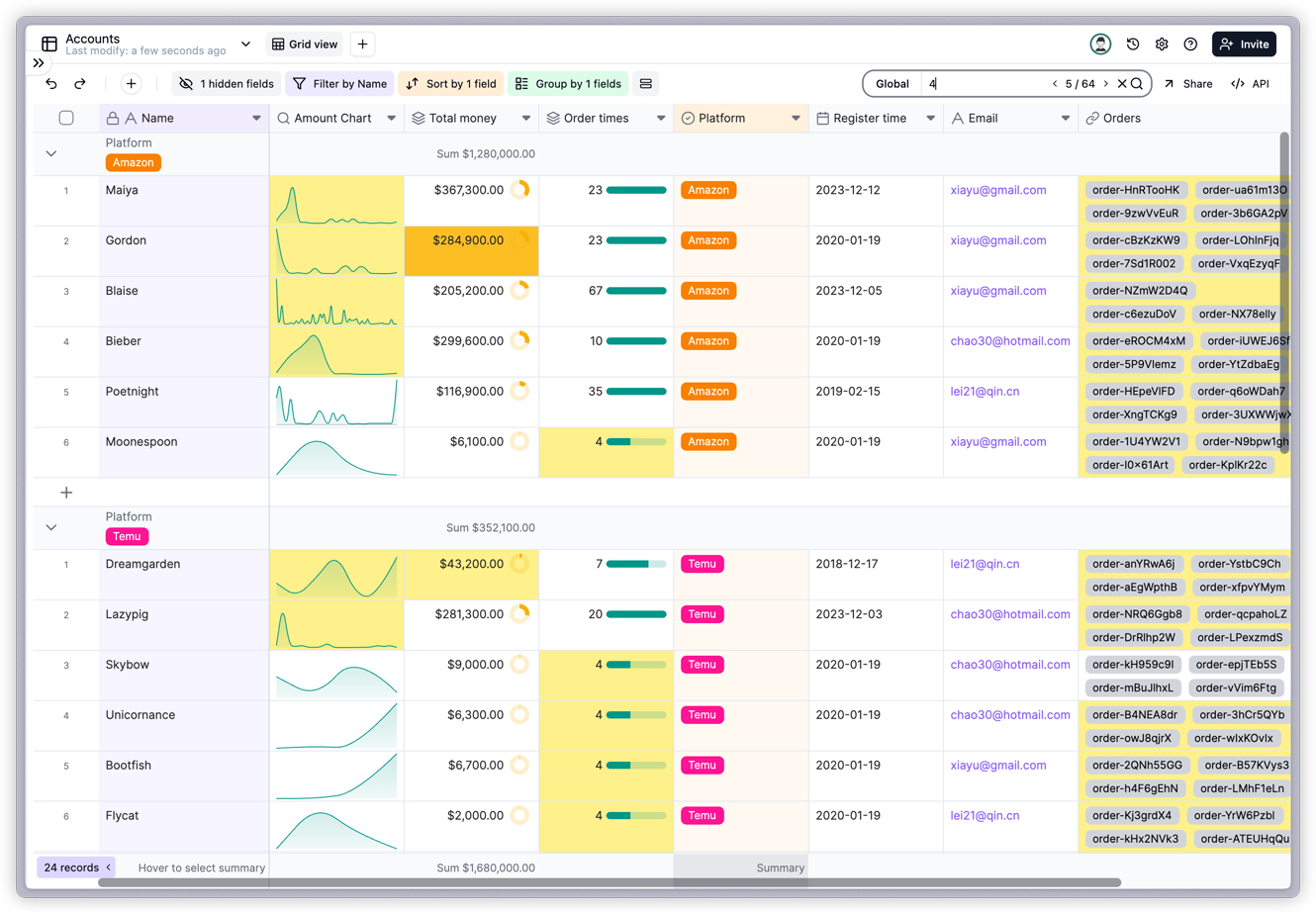
Grid, Form, Kanban, Gallery, and Calendar views; formulas, field conversion, filtering, grouping, sorting, and aggregation; comments, record history, undo/redo, and real-time collaboration; attachments preview, batch editing, import/export, search, validation, charts, plugins, SQL query — and millions of rows without breaking a sweat.
Grid views can group button fields by click count. Unclicked or reset buttons remain in the empty group; each stored count has its own group header.
More features land all the time — see the Changelog.
Three ways to run Teable — pick by what you need (full comparison in the Deployment guide):
| Teable Cloud | Full-featured self-host | Standalone self-host | |
|---|---|---|---|
| Tables, collaboration, API, automation | ✅ | ✅ | ✅ |
| AI features (chat, agents) | ✅ | ✅ | ❌ |
| App Builder (build & deploy apps) | ✅ | ✅ | ❌ |
| Start here | teable.ai | teableio/teable-deployment | Docker guide |
Prefer not to deploy by hand? Hand teableio/teable-deployment to your AI agent (Claude Code, Codex, …) together with a domain, a DNS token, and access to the target machine or cluster — it can take the deployment end to end.
Already running standalone Teable? The runtime plane installs next to it and your data stays in place: migration guide.
# Enabling the Help Management Package Manager
corepack enable

# Install project dependencies
pnpm install
make switch-db-mode
cd apps/nextjs-app
cp .env.development .env.development.local
# Give this checkout its own SECRET_KEY instead of the public built-in default
grep -q '^SECRET_KEY=' .env.development.local || echo "SECRET_KEY=$(openssl rand -hex 32)" >> .env.development.local
you just need to start backend, it will start next server for frontend automatically, file change will be auto reload
cd apps/nestjs-backend
pnpm devSoftware should fit the work — not the other way around. Every team knows the compromise: you have a concrete business need, you search for an app, and it covers 70% of it. So you bend your process around the tool, or you file a ticket and wait quarters for custom development. The work adapts to the software, when it should be the software adapting to the work.
AI only changes this if it reaches the real workflow. A wave of AI tools can now generate an app on demand — but each one is built in a vacuum: an empty database, no knowledge of how your team actually operates, one more island to integrate and maintain. The demo impresses; the workflow stays the same.
Teable puts the agent where the work already happens. Your data, apps, automations, permissions, and collaborators live here, on a real PostgreSQL — and the AI operates all of it. Chat acts on live data. Automations reason over records as they change. App Builder ships working systems wired to the same database your team already uses — so what gets built is never another silo, but a precise extension of the workflow it came from. AI lands in the work seamlessly, and what it builds fits the business exactly.
And it's an architecture an IT team can say yes to. Self-hosting Teable packages your own compute into an agent-ready platform for the whole team: every AI session confined to an isolated sandbox, every app shipped as a standard container, everything resting on PostgreSQL and HTTP APIs, with your own models and keys, on your own infrastructure. Full AI capability, full control — neither traded for the other.
The result is a different way of building: business systems shaped precisely to your business, delivered in days instead of quarters, evolving as fast as the work itself — by everyone on the team, not just the people who code.
This repository is the Teable Community Edition: free for self-hosting under
the AGPL-3.0 license (packages under packages/ are MIT). See
./LICENSE for details.
The official image ghcr.io/teableio/teable
ships the complete product: free to run, with paid plans unlocking AI features
and advanced enterprise capabilities in place — activate with a license
key, no image swap, no migration. See pricing and
subscribe & activate.
FAQ
What AI models does Teable support?
Teable supports OpenAI's latest model lineup. Self-hosted deployments can also connect to compatible language models.
What is the difference between the open-source version and the commercial version?
The commercial version includes enterprise features such as AI workflows, automation, role-based permissioning, organizational controls, and deployment options.
What is Teable?
Teable is an AI Spreadsheet for Business that helps teams build workflows and custom apps while connecting and migrating any data into one place.
More in Database Management
 terminusdbOpen-source knowledge graph database with built-in version control for branching, merging, and time-travel queries using Datalog.
 TimescaleDBA time-series database for high-performance real-time analytics packaged as a Postgres extension
 Typesense-DashboardA Typesense Dashboard to manage and browse collections.
 velldVelld is a self-hosted, open-source database backup tool for PostgreSQL, MySQL, MongoDB, and Redis with automated scheduling, S3 storage, and notifications.
 VitessVitess enables unlimited horizontal scaling through generalized sharding while maintaining MySQL compatibility.
- WebDBOpen-source self-hosted database IDE with a Monaco query editor, ERD, 200-step version rollback and data generation for PostgreSQL, MySQL, MariaDB and MongoDB.
 WhoDBOpen-source, self-hosted database workspace: browse and edit data, query in a scratchpad, visualise schema graphs, with optional Ollama, OpenAI or Anthropic AI chat.
 addon-influxdbSelf-hosted InfluxDB 1.x add-on for Home Assistant with Chronograf UI and Kapacitor, exposing HTTP API on port 8086 for sensor data.
 AdminerAdminer is a self-hosted PHP database tool supporting seven systems natively and more via plugins. Single-file deployment makes it a lightweight phpMyAdmin alternative.
 agxagx is a self-hosted, open-source desktop app for SQL analytics with AI-assisted queries and ClickHouse backend. Runs natively via Tauri or as a web interface via Docker.
 Apache DruidApache Druid: a high performance real-time analytics database.
 autobaseOpen-source MIT DBaaS for PostgreSQL: Patroni-based HA clusters, backups, failover and upgrades driven from a web console, Ansible collection or GitOps.
0 comments