
Self-host Stylus
v0.17.0Status page for home infrastructure with script-based checks
- Stars
- 339
- Port
- 8000 (HTTP web server and status API)
mmastrac/stylus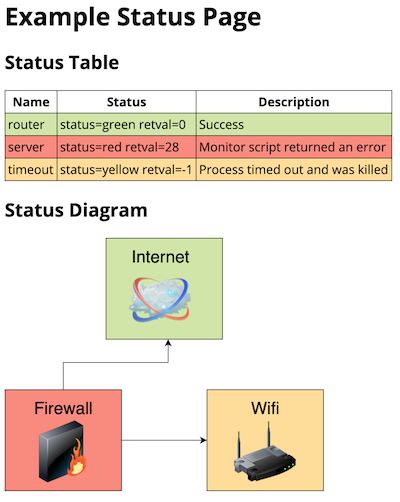
What is Stylus?
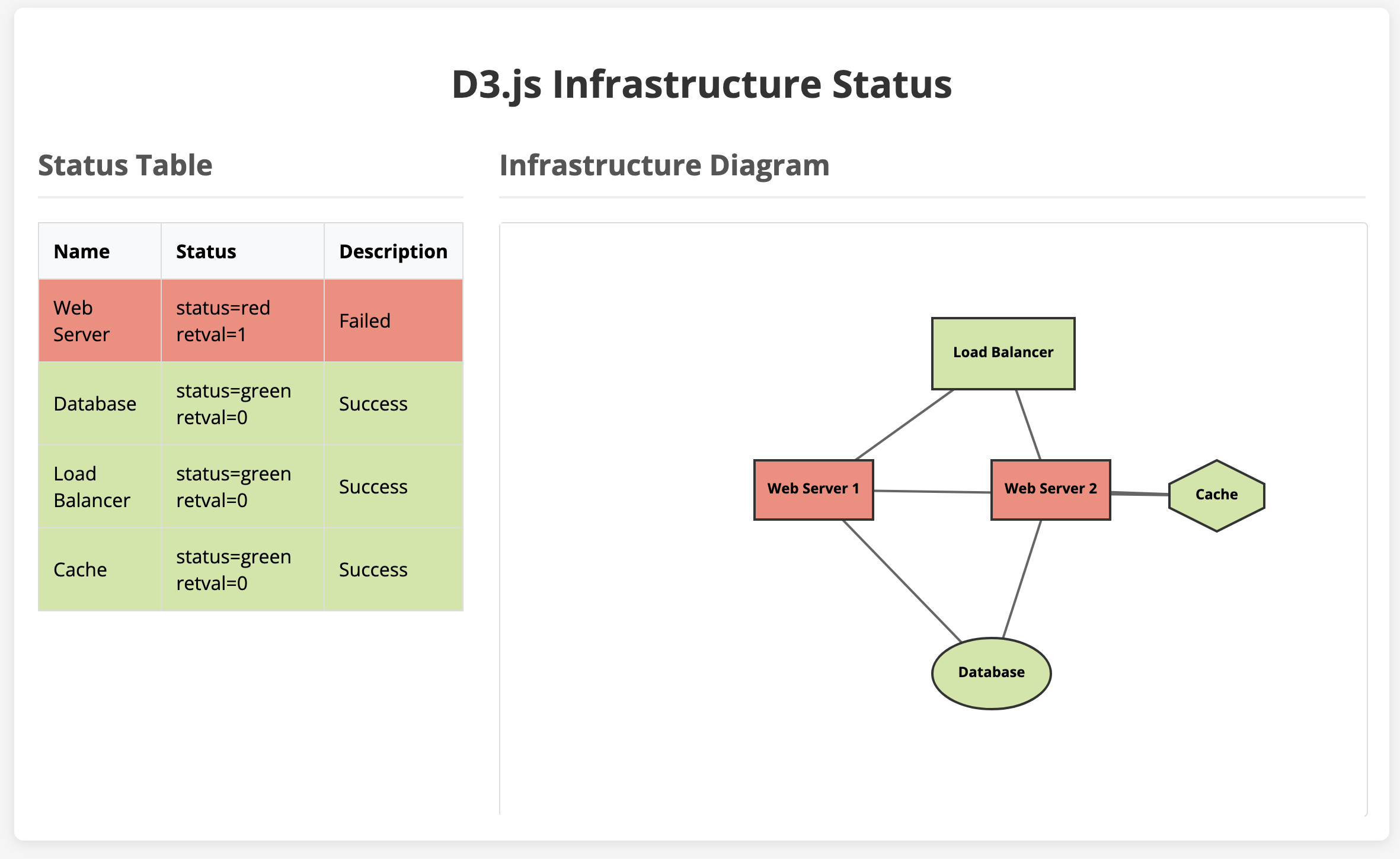
Stylus is a status page for home infrastructure and networks. It runs configurable test scripts written in bash, Python, or any language at regular intervals to check service health. The tool then generates a dynamic CSS stylesheet and JSON status endpoint that can drive HTML or SVG dashboards. The web UI includes built-in visualizations like tables and network diagrams, and can embed iframes or inject CSS into local pages. It runs as a single binary with no database required, using roughly 2MB RAM for a dozen services on a Raspberry Pi. Installation options include Docker (multi-arch), static binaries from GitHub releases, Cargo, or building from source. The project is written in Rust and licensed under Apache-2.0.
Should you self-host Stylus?
Stylus scores 49/100 on selfhost.directory (how scoring works) and ranks #11 of 19 in Infrastructure Monitoring. It has 339 GitHub stars.
There was no stable release in the past 12 months, so check the repository's recent activity before you rely on it.
Setup is easy: most people get it running in one sitting. An official Docker image is available. It is Apache-2.0-licensed and written mostly in Rust.
Its closest alternative on selfhost.directory is Beszel (81/100, 26 617 stars). It scores higher overall, so compare the two before you pick. See Stylus vs Beszel side by side.
Features
- Built-in ping monitor
- Built-in SNMP monitor
- Custom script monitors
- D3.js visualization support
- Dynamic CSS generation
- Grafana as monitoring source
- iFrame Embedding
- Lightweight resource usage
- SSH remote test execution
- Static binary releases
- Status JSON API
- SVG/network diagram visualization
- Table visualization
Stylus README
More in Infrastructure Monitoring
 tgbotvpscpSelf-hosted Telegram bot with web dashboard for monitoring and managing multiple VPS servers, featuring real-time metrics, service management, and web terminal.
 tolatoSelf-hosted AI agent for managing server fleets via natural language chat in your coding agent. Uses MCP, includes audit logs, OIDC SSO, and per-node permissions.
 Traefik ManagerSelf-hosted web UI for managing Traefik reverse proxy — create routes, services, middlewares, certificates, and monitor logs and CrowdSec without editing YAML by hand.
 UnraidOpen-source MCP servers for Unraid NAS letting AI agents manage Docker, VMs, storage arrays, and live metrics via a unified tool interface.
 UptimeKitUptimeKit is a self-hosted, open-source monitoring solution that checks HTTP/TCP services and publishes status pages with incident management and analytics.
 usulnetSelf-hosted Docker management platform with built-in OSINT recon, metadata hygiene, and infrastructure tooling — all in a single AGPL-3.0 binary.
 werbotWerbot is a self-hosted bastion host providing single sign-on access to servers, databases, and apps via SSH, RDP, VNC with full session recording and audit logging.
 WolfStackA self-hosted platform for managing servers, containers, virtual machines, networking, storage, and backups with a 530+ app store, all from one Rust binary.
 Zabbix DockerSelf-hosted Zabbix monitoring with official open-source Docker images for server, agents, proxies, web UI and SNMP traps, plus ready-to-use Compose files and a Makefile.
 BeszelOpen-source, self-hosted server monitoring: a hub plus per-host agents tracking CPU, memory, disks, containers, GPU and temperatures, with alerts and historical data.
 captureCapture is a self-hosted, open-source hardware monitoring agent that collects CPU, memory, disk, network, and Docker metrics via REST API for Checkmate.
 checkmateSelf-hosted, open-source uptime and infrastructure monitor: HTTP, ping, DNS, Docker and gRPC checks with incidents, status pages and Slack or email alerts.
0 comments