
Self-host FreeFrame
v1.21.0Self-hosted media review for video, audio, and images
- Stars
- 241
- CPU
- 2 cores
- RAM
- 4 GB
- Storage
- 20 GB SSD
- Ports
- 3000 (Frontend (Next.js)), 8000 (API (FastAPI))
- Requires
- PostgreSQL, Redis, S3 compatible storage
What is FreeFrame?
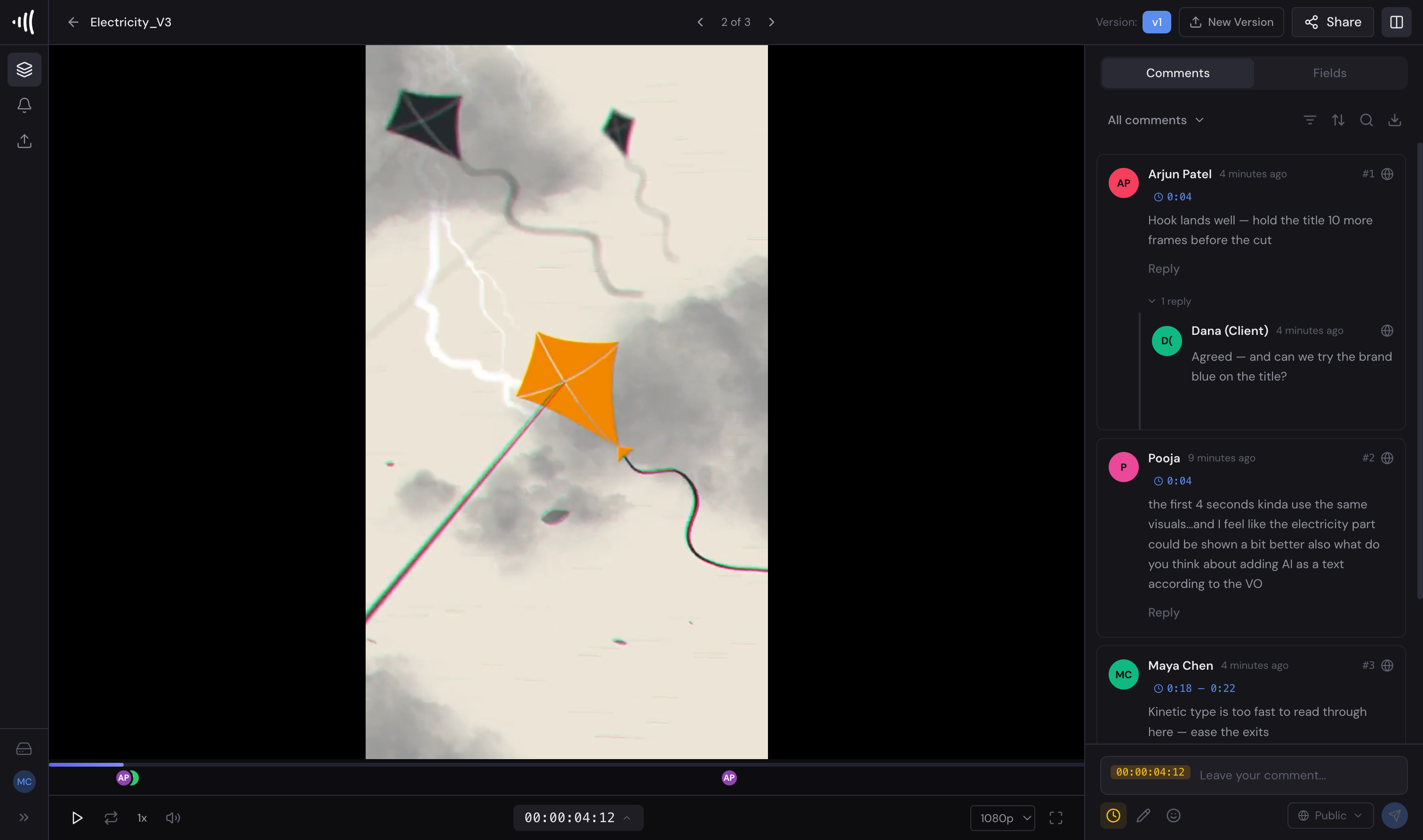
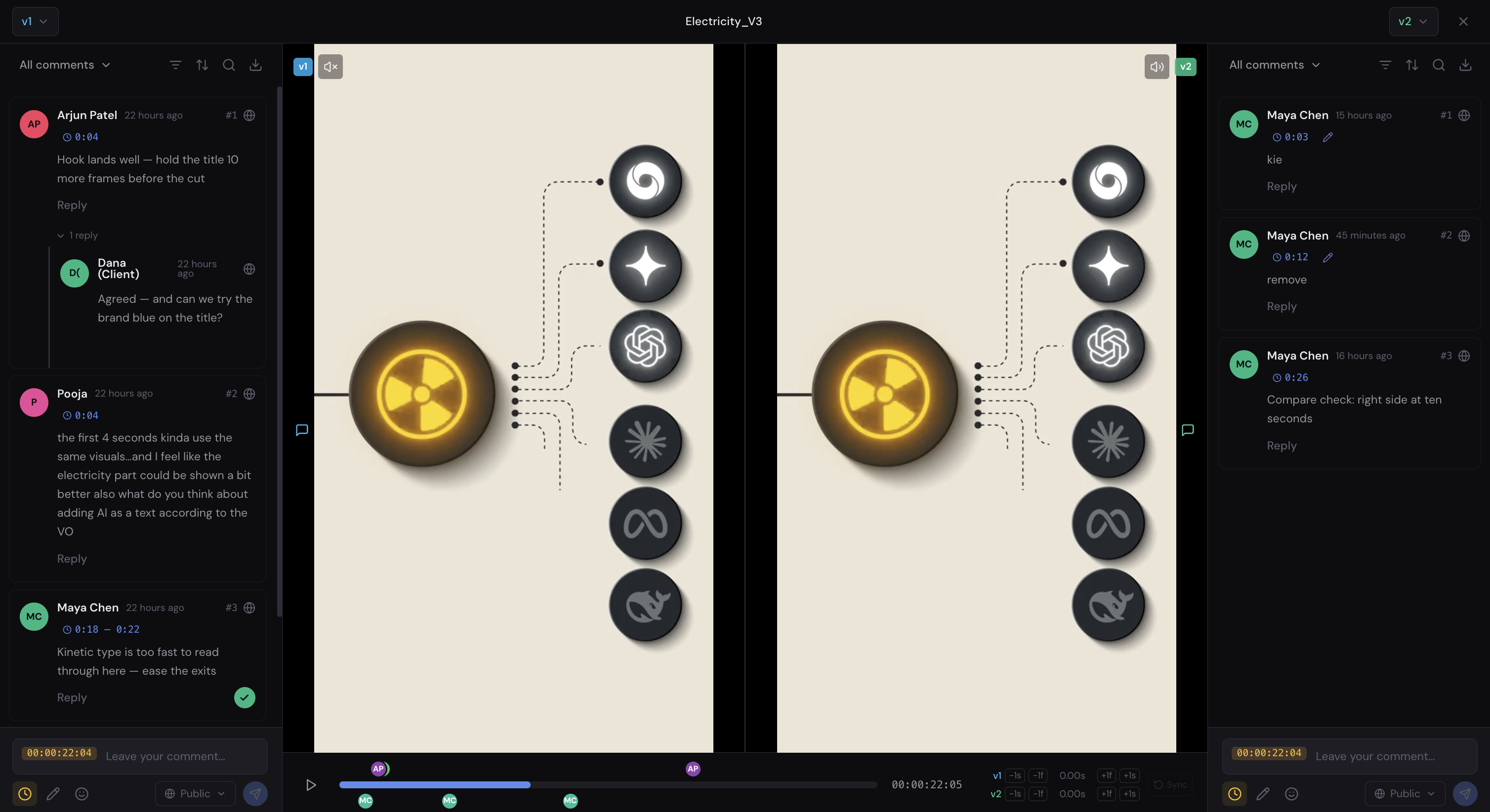
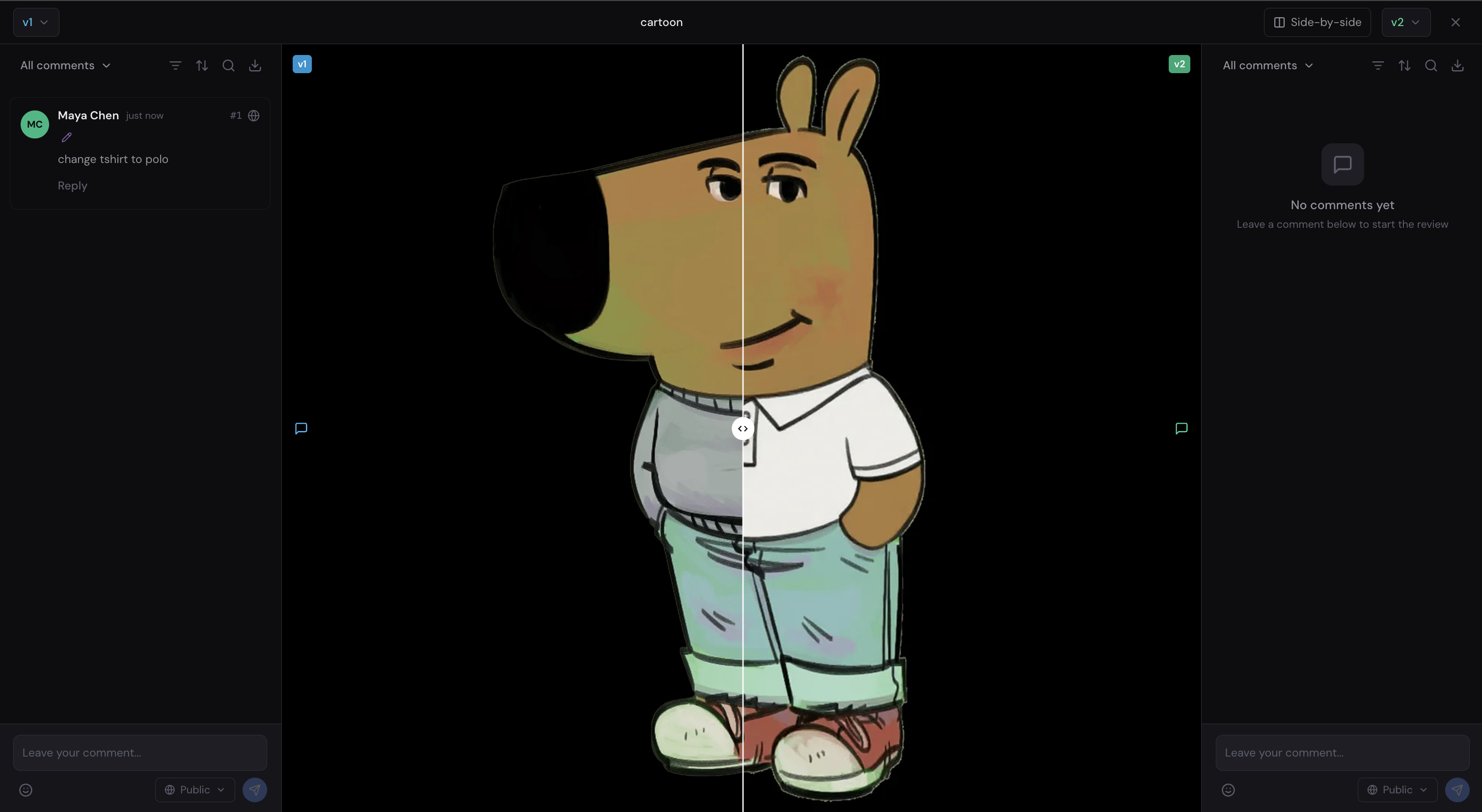
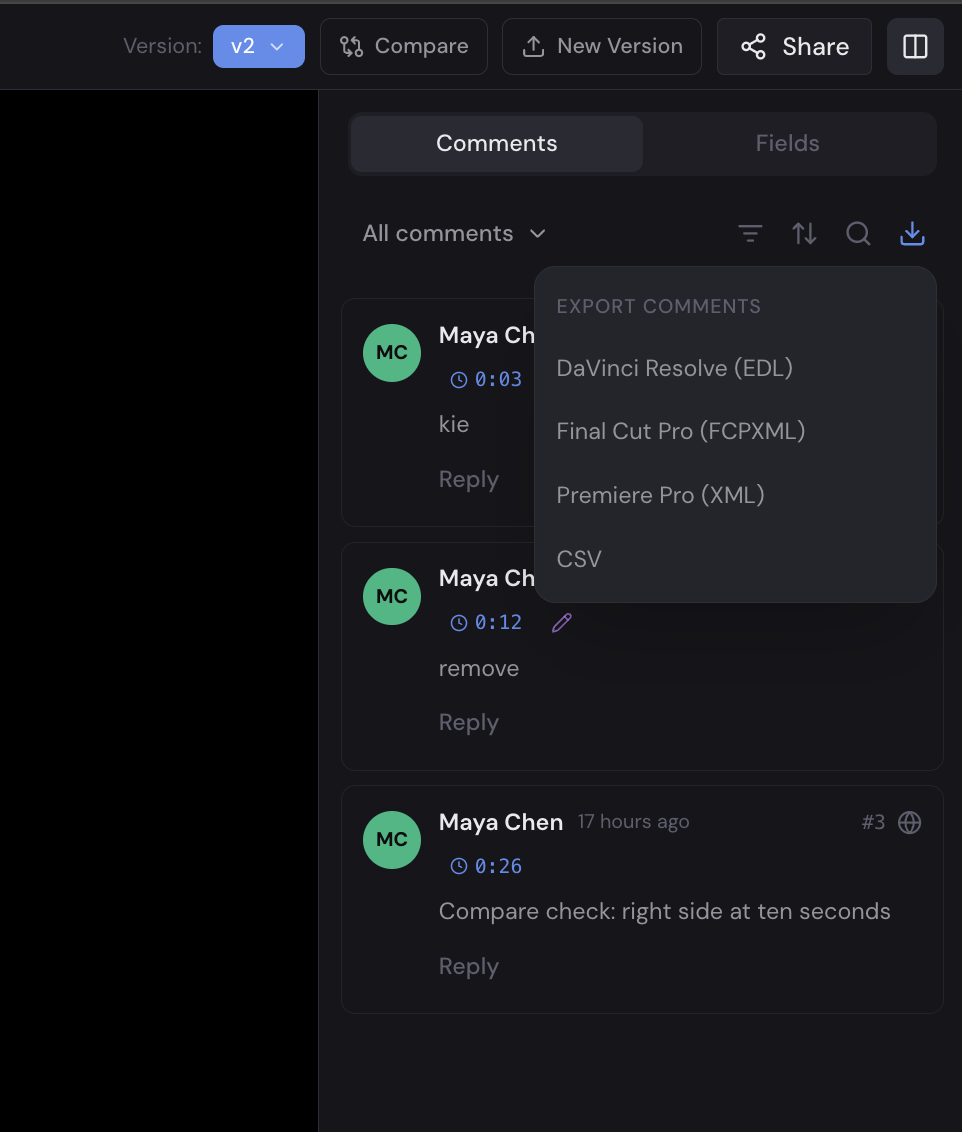
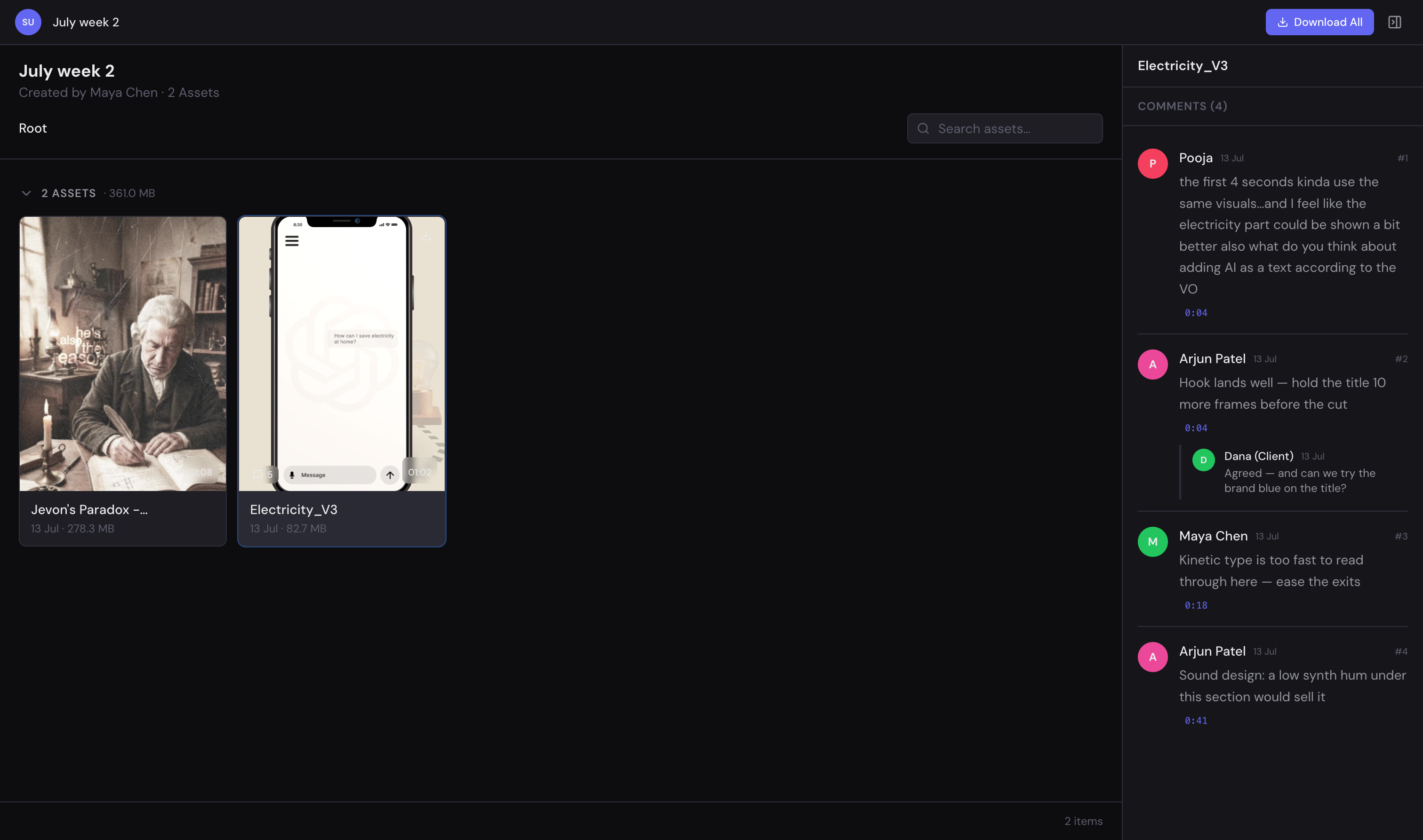
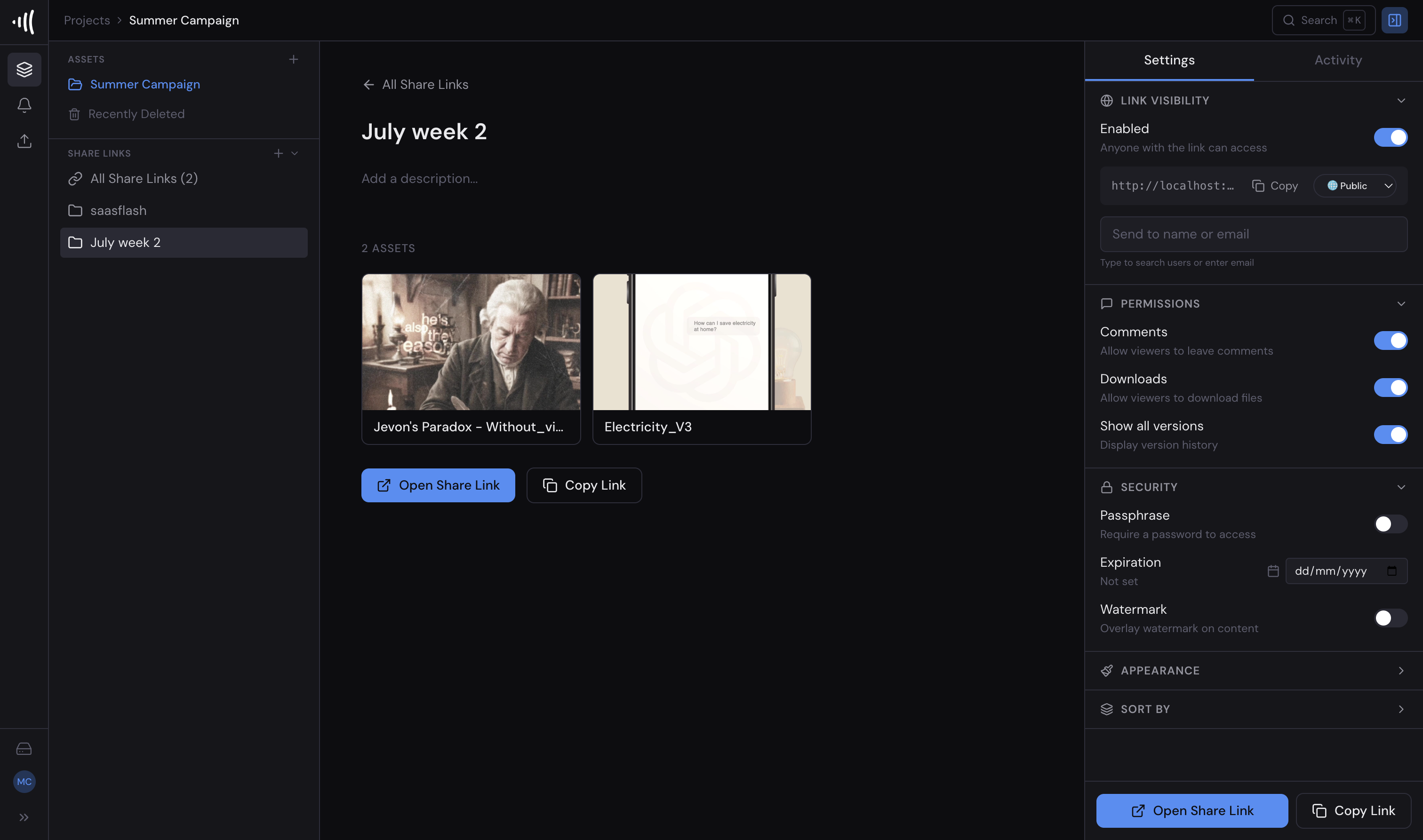
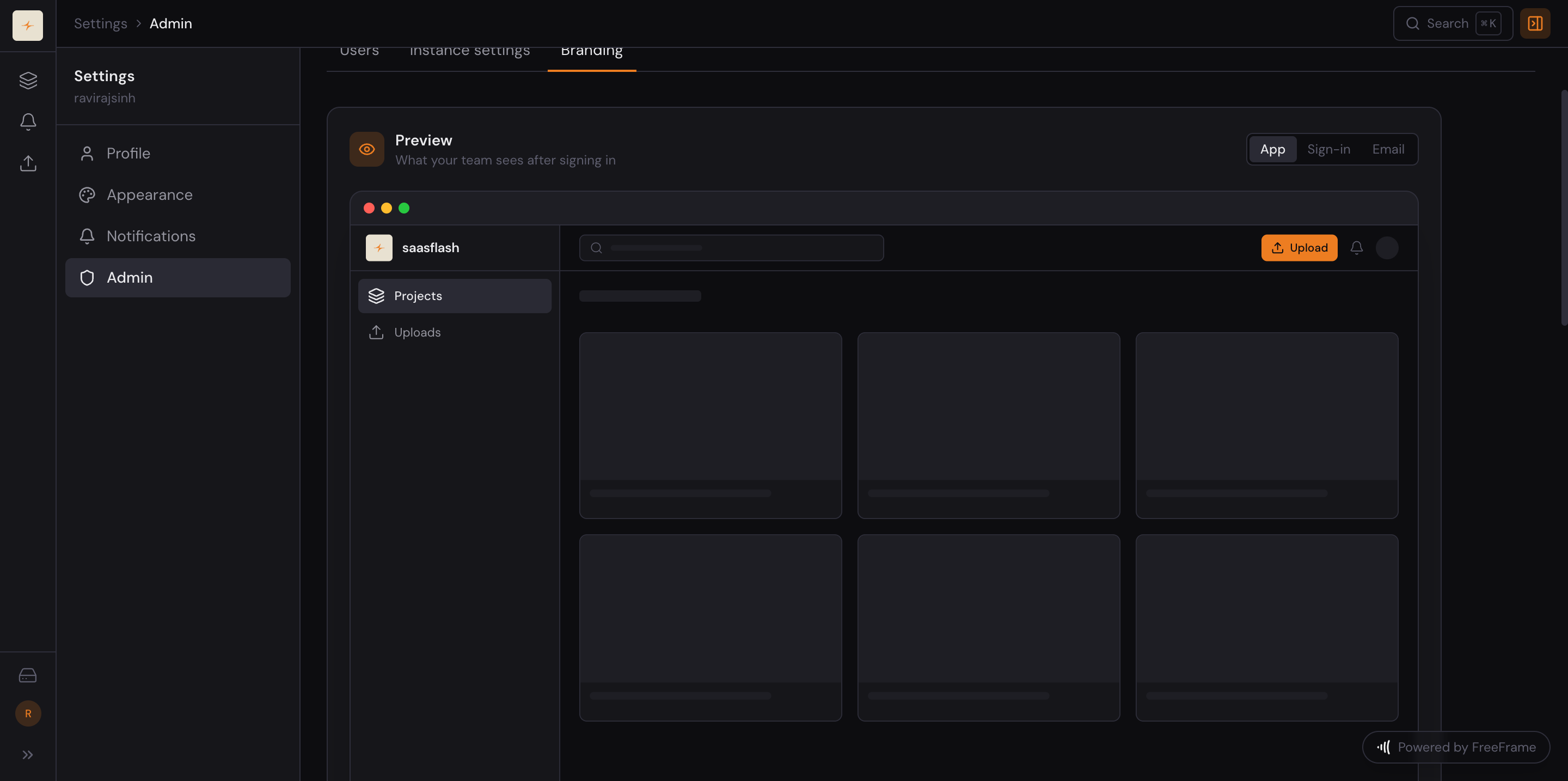
FreeFrame is a self-hosted platform for reviewing media files. Production houses and creative teams use it to add frame-accurate timecoded comments on video, images, and audio. It supports threaded discussions with mentions and reactions, drawing annotations on frames, and approval workflows tracking reviewer status. Users can compare versions side-by-side or with a wipe slider, export comments to editing software formats, share password-protected links for guest reviewers, and apply custom branding across the interface. The stack runs on Docker Compose with Next.js, FastAPI, PostgreSQL, Redis, Celery workers, and S3-compatible storage. Authentication relies on JWT with emailed magic codes. Licensed under MIT with active development.
Should you self-host FreeFrame?
FreeFrame scores 51/100 on selfhost.directory (how scoring works) and ranks #2 of 4 in Media. It has 241 GitHub stars.
It shipped 10 stable releases in the past year. The latest, v1.21.0, came out on 25 October 2026. New versions land roughly every 2 days.
Setup is advanced: plan for several services and some ongoing maintenance. It is MIT-licensed and written mostly in Typescript.
Its closest alternative on selfhost.directory is Shumai (47/100, 236 stars). FreeFrame scores higher overall. See FreeFrame vs Shumai side by side.
Features
- Approval Workflows
- Drawing annotations
- Due date tracking
- Folder Organization
- Frame-accurate video review
- Image and audio review
- NLE comment export
- Real-time updates
- Role-based permissions
- Share links for external reviewers
- Social Preview
- Threaded comments
- Version compare
- White-label branding
FreeFrame README
More in Media
 imgproxySelf-hosted, open-source image processing server that resizes, crops, filters and converts images on the fly through signed URLs, running behind your CDN.
 LinkSiftSelf-hosted media downloader with yt-dlp: inspect URLs, pick MP4/MP3 quality, manage downloads in a responsive web queue with live progress.
 Make a WrappedSelf-hosted open-source tool generating Wrapped-style posters from ListenBrainz, Last.fm, Libre.fm, or Navidrome with custom periods, templates, and API.
 Misaka Danmu ServerSelf-hosted danmaku aggregation service with a web admin UI and a dandanplay-compatible API; matches subtitles-like comments to media library items.
 moocupMoocup is a self-hosted, open-source visual editor that lets you drop a screenshot, apply styles and background gradients, and export polished mockups in seconds.
 noisedashSelf-hosted web app for creating custom ambient soundscapes with generated tones, uploaded samples, filters, and user profiles.
 stable-diffusion-webuiA self-hosted, open-source web UI for Stable Diffusion with txt2img, img2img, inpainting, outpainting, upscaling, and extensive customization options.
 Stable Diffusion WebUI DockerSelf-hosted Docker container bundling 14 Stable Diffusion WebUIs like Automatic1111, ComfyUI, Fooocus, and InvokeAI, each on its own port via docker-compose profiles.
 SubDuetTwo languages. One subtitle. Local-first bilingual subtitles for Plex, Jellyfin, Emby and your media folders.
 SubgenSelf-hosted subtitle generator using OpenAI Whisper. Integrates with Bazarr, Plex, Jellyfin, Emby, Tautulli. Runs on CPU or NVIDIA GPU via Docker.
 SyncplayThis open-source client/server keeps mpv, VLC and MPC players in sync so groups watch videos together, with a self-hosted server on port 8999, chat and shared playlists.
 tele-vdo-riderSelf-hosted Telegram bot that converts videos from YouTube and other sites to MP3 using youtube-dl and ffmpeg, with automatic file splitting for Telegram's size limits.
0 comments