
Self-host Strapi
v5.62.0Open-source headless CMS for building content APIs
- Stars
- 73 497
- CPU
- 1 core
- RAM
- 2GB
- Storage
- 8GB
- Ports
- 1337 (Strapi server), 1338 (Strapi server (example))
- Requires
- Node.js
What is Strapi?
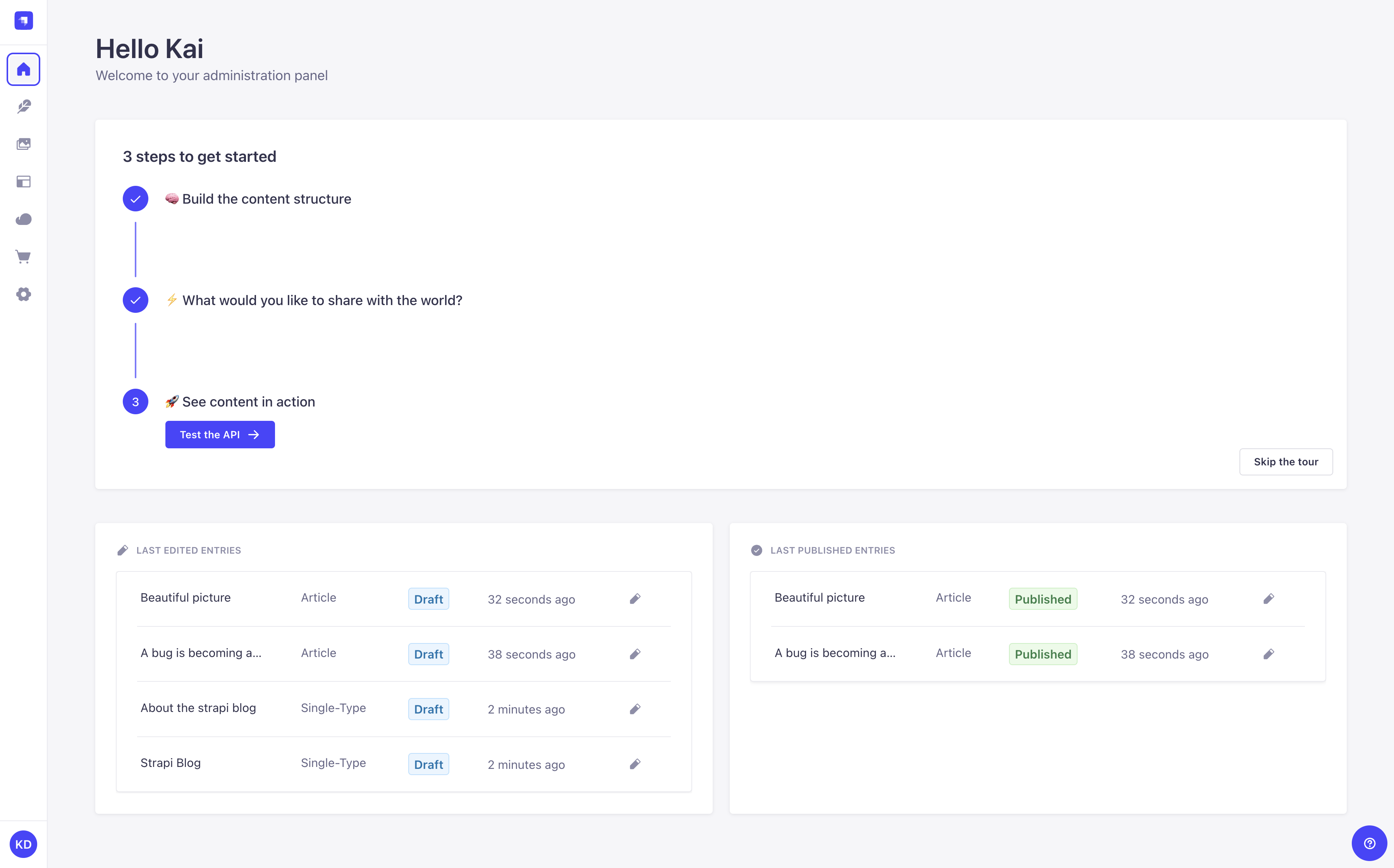
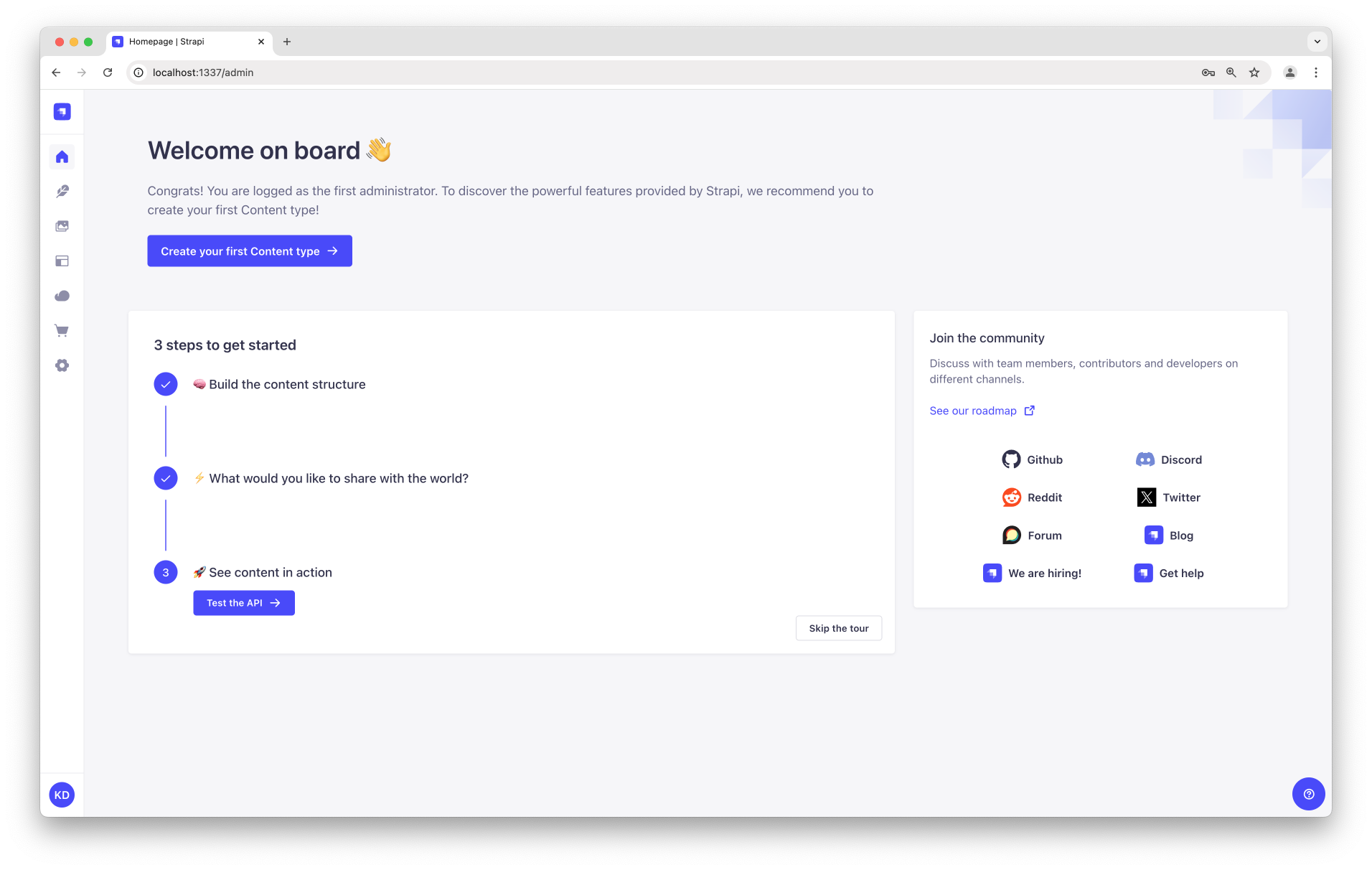
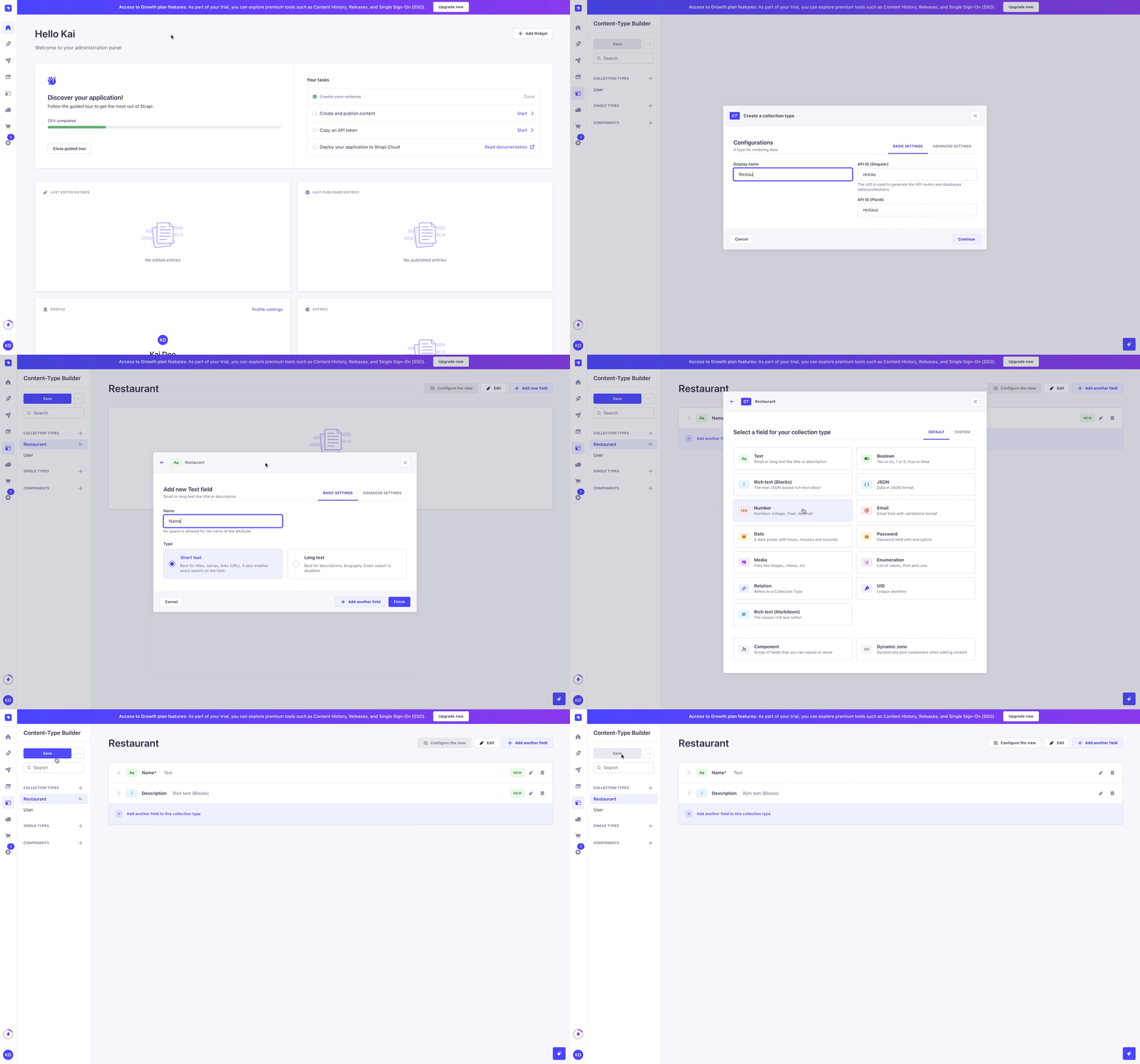
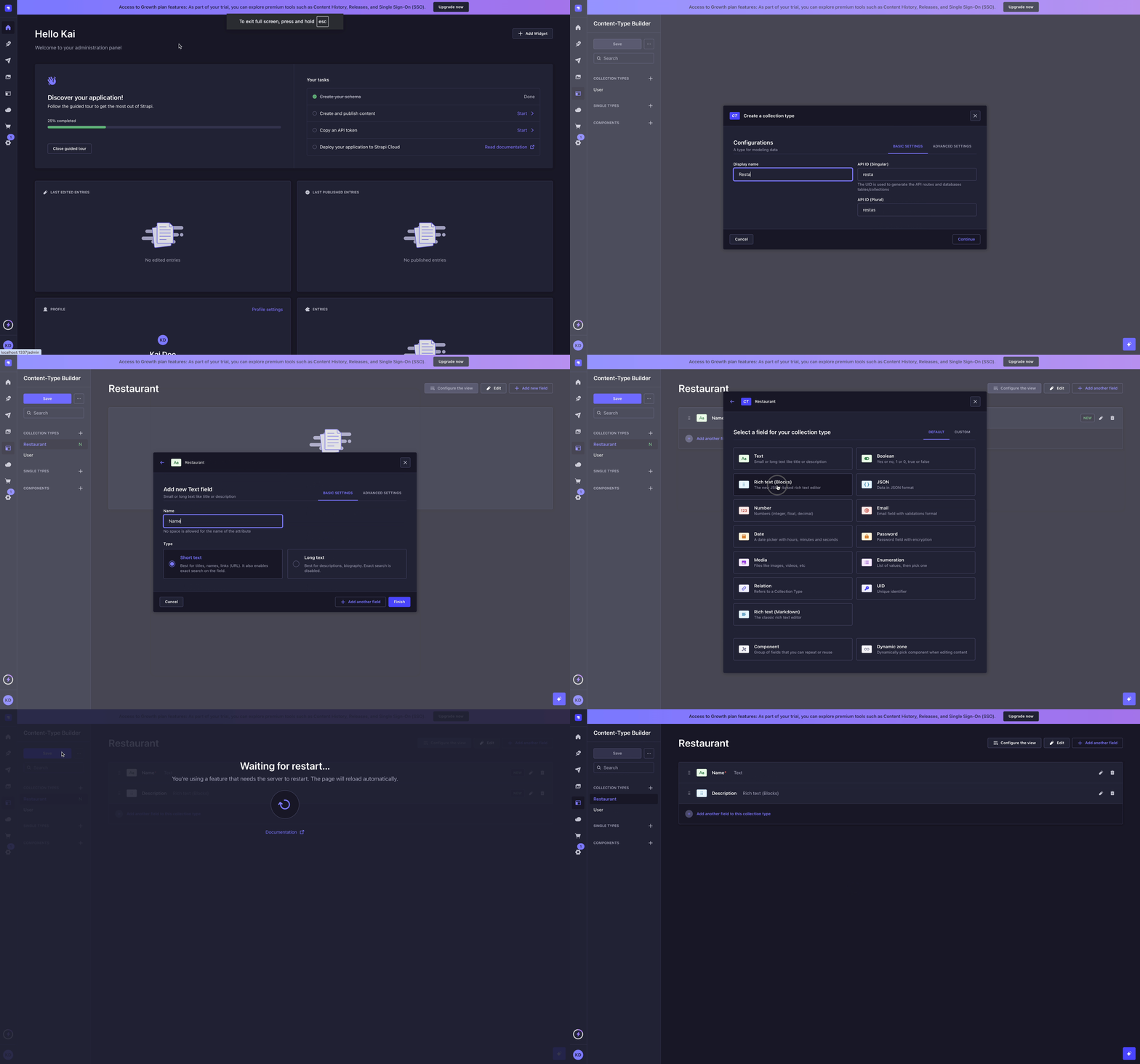
Strapi is an open-source headless CMS built with JavaScript and TypeScript. Developers define content models visually using the Content-Type Builder, and Strapi automatically generates REST and GraphQL APIs. Content creators get a friendly admin panel for managing content. Core features include granular role-based access control, a built-in media library, internationalization (i18n), draft and publish workflows, and an extensible plugin system. The Community edition is MIT-licensed and free. Paid Growth and Enterprise plans add single sign-on, audit logging, review workflows, content history, releases, and AI capabilities. Self-hosting options include the CLI (npx create-strapi-app), Docker via a community tool, or manual deployment on any infrastructure supporting Node.js LTS and a supported database (PostgreSQL, MySQL, MariaDB, SQLite).
Strapi alternatives
 Decap CMSSelf-hosted, open-source CMS for static site projects: a /admin app that reads and writes content in your own Git repo, with editorial workflow and live preview.CompareDecap CMS with Strapi
 nodifyNodify is a self-hosted headless CMS with REST/GraphQL APIs, native multilingual support, plugins, and SDKs for Java, Python, Node.js, PHP.Comparenodify with Strapi
 stubbyStubby CMS is a self-hosted, open-source headless CMS for developers to manage blog and docs content with MDX, REST API, webhooks, and custom React components.Comparestubby with Strapi
 Payload CMSOpen-source, code-first headless CMS built into your Next.js app — self-hosted admin panel with REST and GraphQL APIs on MongoDB, Postgres or SQLite.ComparePayload CMS with Strapi
 SquidexAn open-source, self-hosted headless CMS with REST and GraphQL APIs, content versioning, publishing workflows and asset management. Runs via Docker, Compose or Helm.CompareSquidex with Strapi
 webinyAn open-source, self-hosted headless CMS that runs serverless in your own AWS account, with a GraphQL API, drag-and-drop page builder, file manager and multi-tenancy.Comparewebiny with Strapi
 EmDashSelf-hosted open-source Astro CMS that runs on Node.js or Cloudflare, with a passkey admin, sandboxed plugins, REST API and a built-in MCP server.CompareEmDash with Strapi
 craft-cmsCraft CMS is a self-hosted PHP CMS for custom websites and headless apps with Twig and GraphQL. It offers a user-friendly control panel and flexible content modeling.Comparecraft-cms with Strapi
Should you self-host Strapi?
Strapi scores 85/100 on selfhost.directory (how scoring works) and ranks #1 of 13 in Headless CMS. It has 73 497 GitHub stars, +199 in the last 30 days.
It shipped 33 stable releases in the past year. The latest, v5.62.0, came out on 12 November 2026. New versions land roughly every 7 days.
Setup is moderate: expect some configuration beyond a single command. It is MIT-licensed and written mostly in Typescript.
Its closest alternative on selfhost.directory is Payload CMS (82/100, 45 843 stars). Strapi scores higher overall. See Strapi vs Payload CMS side by side.
Features
- AI CapabilitiesGrowth plan includes Strapi-managed AI; Enterprise requires BYOK plugin
- Audit LogsRequires Enterprise plan
- Content HistoryAvailable in Growth and Enterprise plans
- Content-Type Builder
- Draft & Publish
- GraphQL API
- Internationalization (I18N)
- Media Library
- Plugin System
- ReleasesAvailable in Growth and Enterprise plans
- REST API
- Review WorkflowsRequires Enterprise plan
- Role-based Access Control
- Single Sign-On (SSO)Requires Enterprise plan or SSO add-on with Growth plan
- TypeScript Support
Strapi README
The leading open-source headless CMS, 100% JavaScript/TypeScript, flexible and fully customizable.
Docs · Strapi Cloud · Roadmap · Discord · Discussions
FAQ
Is there an MCP server for Strapi?
Yes, Strapi includes a built-in Model Context Protocol (MCP) server that exposes content management tools to AI clients.
Why doesn't Strapi provide official Docker images?
Strapi is a framework for building many different applications; a single Docker image cannot cover all use cases. Dockerfile examples are provided instead.
How do I setup SSL with Strapi?
Strapi does not implement SSL natively. Use a reverse proxy (Nginx, Caddy, HAProxy, Traefik) to handle TLS termination and forward traffic to Strapi.
Can I disable foreign key creation?
No, Strapi relies on foreign keys for relational integrity and there is no supported configuration to disable them. Databases that don't support foreign keys (e.g., PlanetScale) are not compatible.
Does Strapi allow me to change the default ID type or name?
No, Strapi does not currently support changing the default ID name or data type (e.g., UUID in PostgreSQL).
Can I add my own 3rd party auth provider?
Yes, you can follow the documentation to create a custom provider or submit a pull request to include it in the users-permissions plugin.
Can Strapi be run in serverless environments?
Strapi is not well suited for serverless environments because it takes several seconds to boot. It is designed to run as an always-on service.
Why does the admin login fail when I use HTTP instead of HTTPS?
Since v5.24.0, the admin panel uses secure, HTTP-only cookies that browsers refuse to store over insecure HTTP connections. TLS must be terminated in front of Strapi (e.g., with Nginx, Caddy, or a load balancer).
Does Strapi handle deploying or migrating of content?
Yes, Strapi offers a Data Transfer feature that allows exporting and importing content between instances or from file archives.
Why can't I create or update content-types in production/staging?
Strapi stores model configuration in files that require a server restart to take effect, which could cause downtime. Content-type changes must be made in development, committed to source control, and deployed through staging to production.
More in Headless CMS
- stubbyStubby CMS is a self-hosted, open-source headless CMS for developers to manage blog and docs content with MDX, REST API, webhooks, and custom React components.
 suluSulu is an open-source, self-hosted Symfony CMS for multilingual multisite projects, bundling DAM, PIM, headless REST and JSON:API and an admin UI.
 SuperdeskSuperdesk is a self-hosted, open-source digital newsroom platform for news organizations, combining headless CMS with editorial workflows and multi-channel publishing.
 Umbraco CMSUmbraco is a free and open source .NET content management system helping you deliver delightful digital experiences.
 WagtailSelf-hosted, open-source CMS built on Python and Django: StreamField blocks, editorial workflows, headless content API, image tools, multi-site and multi-language.
- webinyAn open-source, self-hosted headless CMS that runs serverless in your own AWS account, with a GraphQL API, drag-and-drop page builder, file manager and multi-tenancy.
 ApostropheCMSSelf-hosted, open-source Node.js CMS framework for teams: edit content on live pages or go headless with REST APIs and Astro, backed by MongoDB, PostgreSQL or SQLite.
 Atomic ServerAtomicServer is a self-hosted, open-source headless CMS and real-time database for atomic.place with local-first sync, collaborative docs, tables, chat, and AI via MCP.
 cmsA self-hosted flat-file content management system built on Laravel, installed with Composer or Laravel Sail, with live preview, blueprints and headless APIs.
 CockpitCockpit is a self-hosted, open-source headless CMS with GraphQL and REST APIs, flexible content modeling, and multi-language support. Runs on PHP with SQLite or MongoDB.
- craft-cmsCraft CMS is a self-hosted PHP CMS for custom websites and headless apps with Twig and GraphQL. It offers a user-friendly control panel and flexible content modeling.
 d9d9 is a self-hosted, open-source headless CMS forked from Directus 9 with GPLv3 licensing, REST/GraphQL APIs, a no-code Data Studio, and multi-database support.
0 comments