
Self-host openchangelog
v0.8.2Self-hosted changelog website from Markdown files
- Stars
- 342
- Port
- 6001 (HTTP server)
ghcr.io/jonashiltl/openchangelog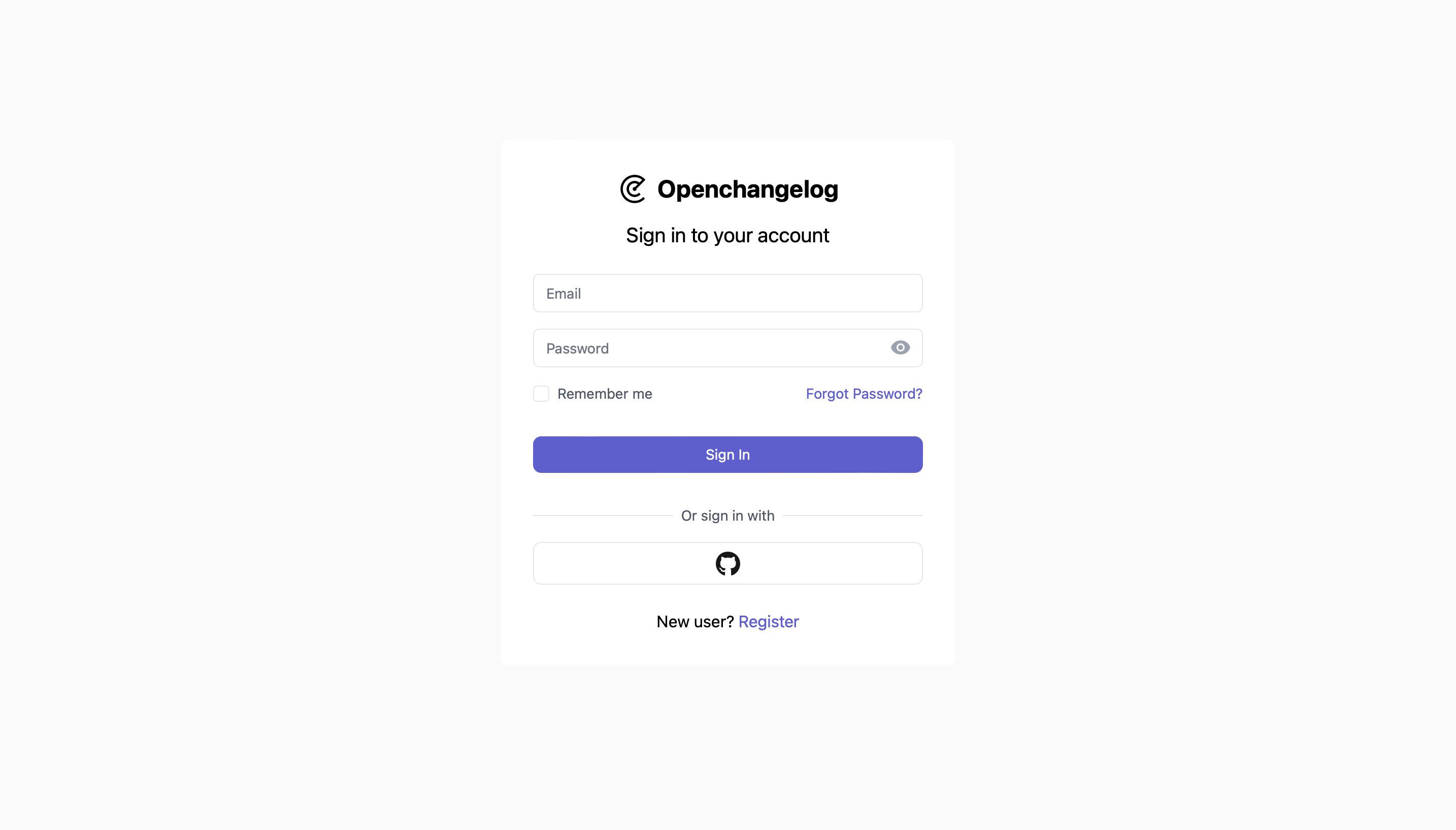
What is openchangelog?
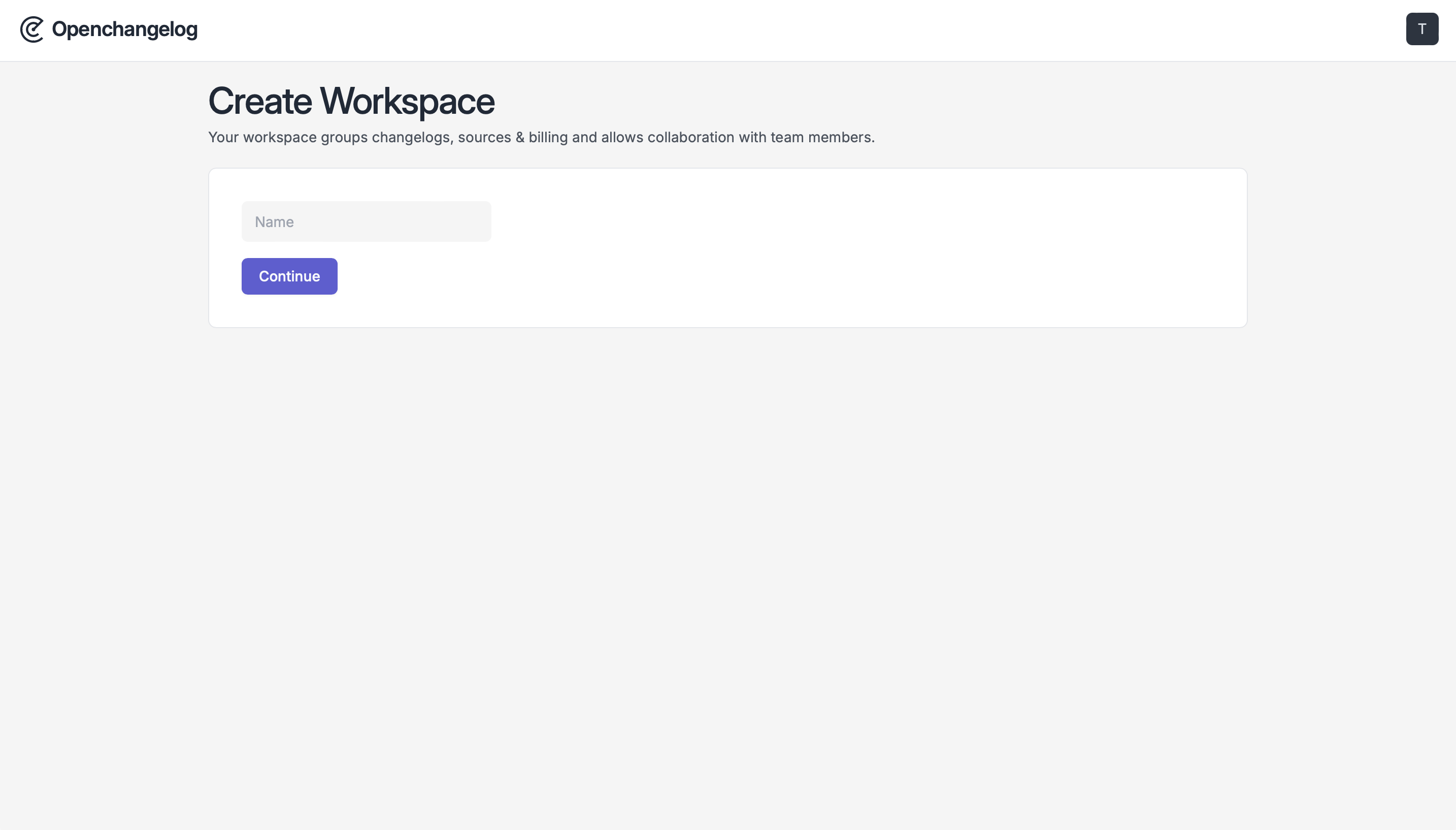
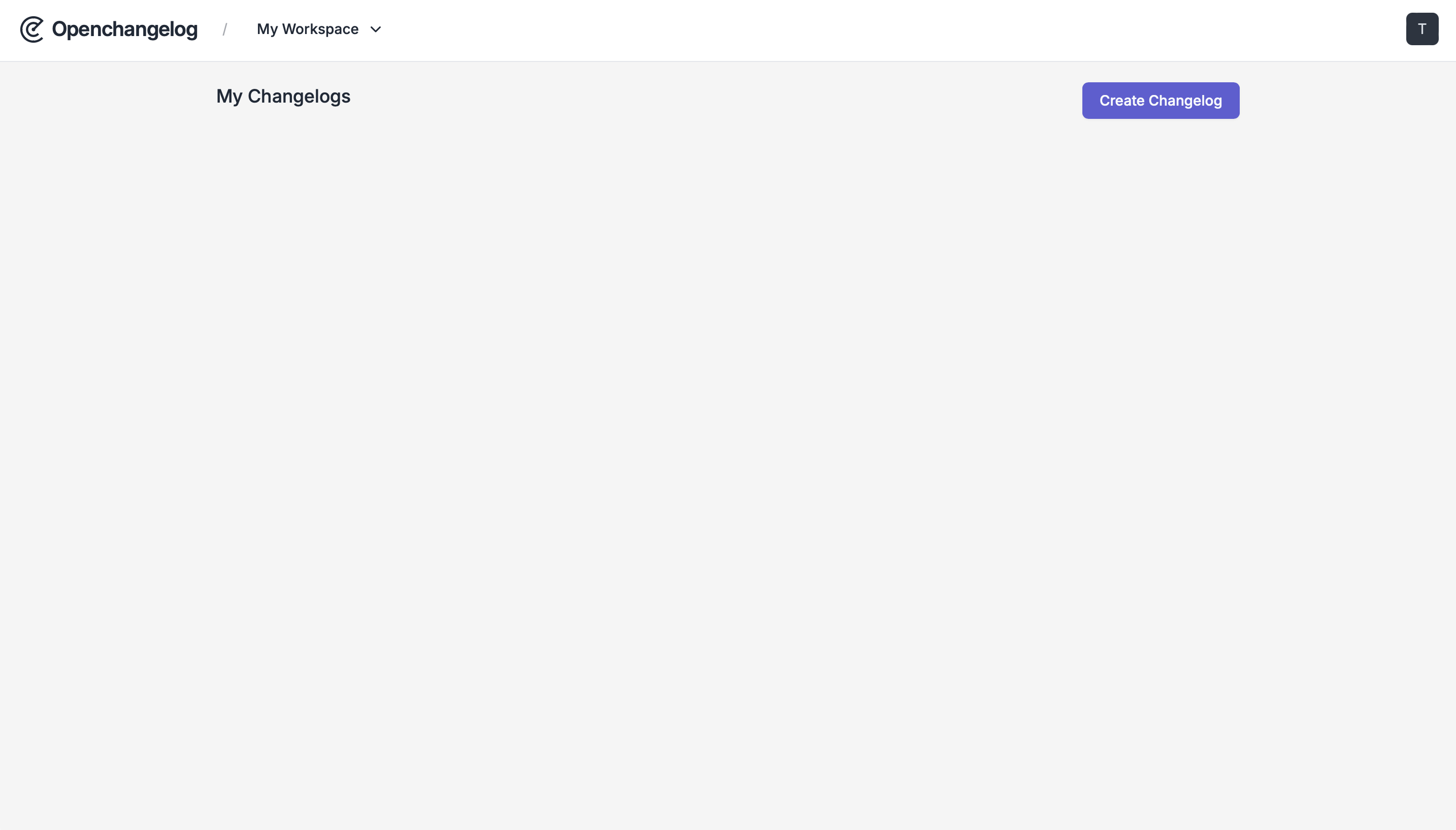
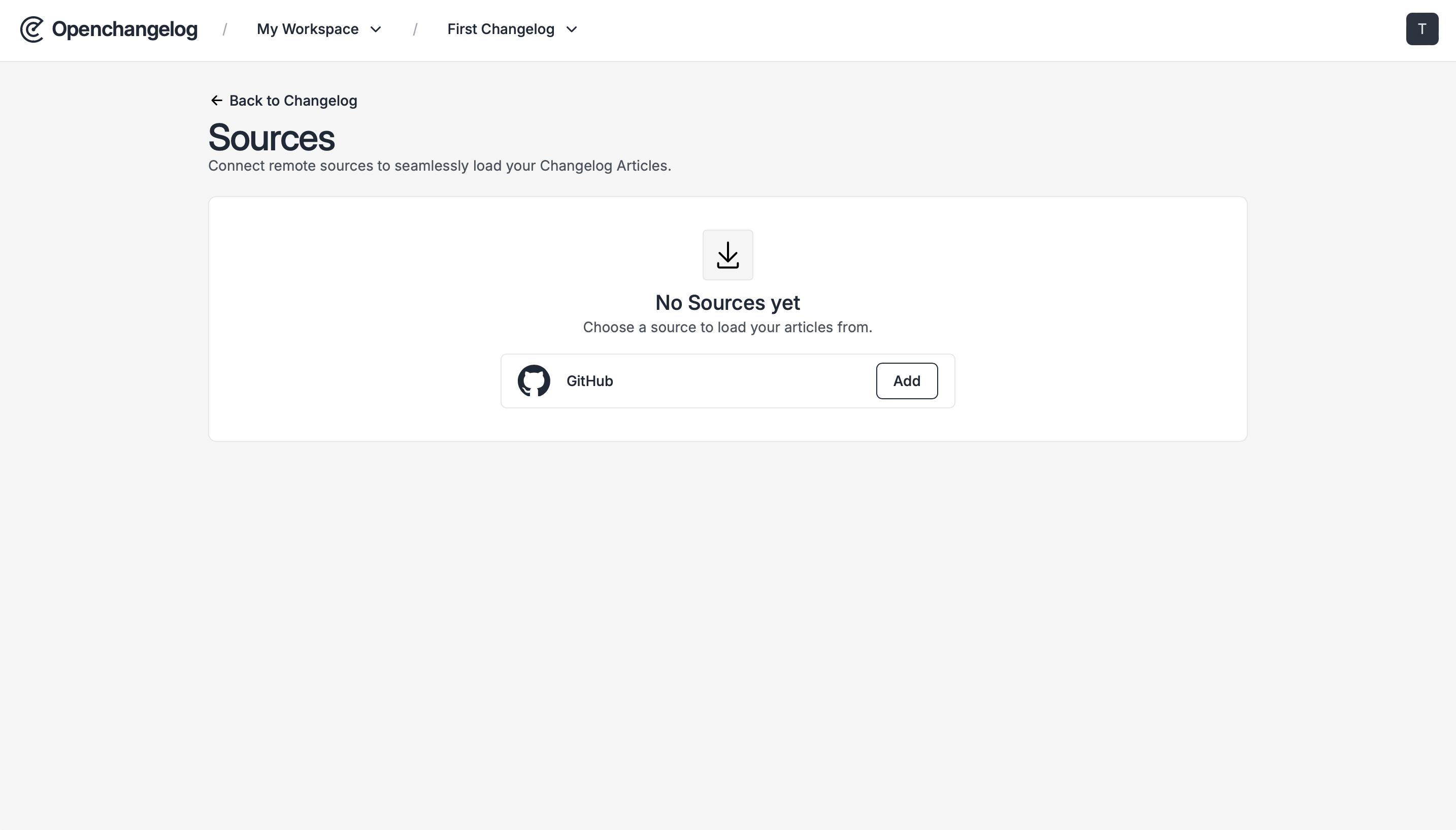
Openchangelog is a self-hosted changelog website generator that renders Markdown release notes from GitHub, GitLab, Forgejo, or local files into a polished web UI. It provides full-text search, password protection for private changelogs, automatic RSS feeds, and configurable dark/light/system themes. The application runs as a single Go binary in a Docker container with no database required — only a YAML configuration file and a volume for release notes. It also offers a Next.js widget for embedding the changelog in other applications and optional analytics via Tinybird. The project is licensed under AGPL-3.0 and actively maintained.
Should you self-host openchangelog?
openchangelog scores 47/100 on selfhost.directory (how scoring works) and ranks #98 of 166 in Developer Tools. It has 342 GitHub stars.
It shipped 6 stable releases in the past year. The latest, v0.8.2, came out on 12 August 2026. New versions land roughly every 2 months.
Setup is easy: most people get it running in one sitting. An official Docker image is available. It is AGPL-3.0-licensed and written mostly in Go.
Its closest alternative on selfhost.directory is openhands (87/100, 92 094 stars). It scores higher overall, so compare the two before you pick. See openchangelog vs openhands side by side.
Features
- Analytics with Tinybird
- Automatic RSS feed
- Configurable caching
- Custom logo and branding
- Full-Text Search
- Keep a Changelog format support
- Multiple source integrations
- Next.js embed widget
- No Database Required
- Password Protection
- Search indexing
openchangelog README
More in Documentation Management
 outline-docker-composeOpen-source Docker Compose kit that deploys a self-hosted Outline wiki with a bundled OIDC login server, Postgres, Redis and nginx, using a make install script.
 overleafOpen-source self-hosted collaborative LaTeX editor with real-time editing and PDF compiles, run through the Docker-based Overleaf Toolkit; Server Pro adds SSO.
 PandaWikiOpen-source, self-hosted knowledge base that builds product docs, FAQs and blogs with AI Q&A, AI search and chatbots for DingTalk, Feishu and WeCom.
 PineDocsPineDocs is a self-hosted, open-source file viewer for Markdown, HTML, code, images, PDFs, and media — no database needed. Runs via Docker or PHP with dark mode.
 pkgsitepkgsite is a self-hosted Helm chart deploying a private pkg.go.dev instance on Kubernetes with PostgreSQL, Redis, and optional Athens proxy for private Go modules.
 RackPeekSelf-hosted web UI and CLI for home lab infrastructure documentation, tracking hardware, services, and networks in open YAML formats.
 RanetoSelf-hosted, open-source Markdown wiki and knowledge base for Node.js: file-based pages, in-browser editor, Lunr search, login protection, Docker image, no database.
 scalarAn open-source platform for API docs and testing: self-hosted API references from OpenAPI/Swagger specs via a Docker image, plus an offline-first API client.
 ShowDocSelf-hosted online API documentation and technical documentation tool for IT teams. Create beautiful API docs, data dictionaries, technical specs with Markdown support.
 The-One-FileSelf-hosted offline-first network topology editor in a single HTML file with optional Docker collaboration.
 TypemillOpen-source, self-hosted flat-file CMS for documentation sites, manuals and knowledge bases: write Markdown, publish websites, PDFs and EPUBs, no database needed.
 Wiki.jsWiki.js is a self-hosted, open-source wiki engine with a live-preview markdown editor, two-way Git sync and OIDC/LDAP/SAML sign-in, running on Node.js plus PostgreSQL.
0 comments