
Self-host MindRoom
v2026.10.636AI agents with memory that work across your tools and chat
- Stars
- 355
- Port
- 8765 (Dashboard UI, dashboard API, OpenAI-compatible API, bot orchestrator)
- Requires
- ChromaDB, Matrix homeserver (Synapse, Conduit, or Dendrite)
ghcr.io/mindroom-ai/mindroom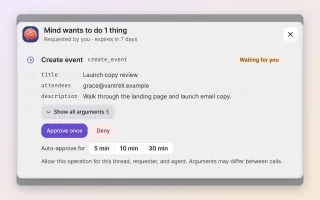

What is MindRoom?
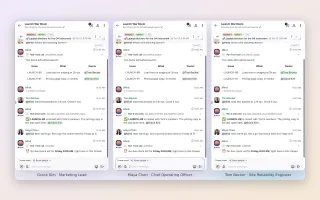
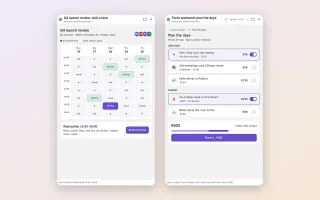
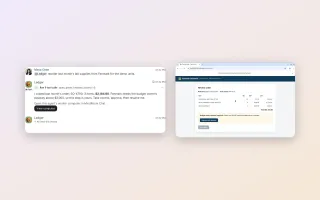
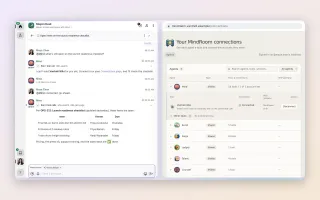
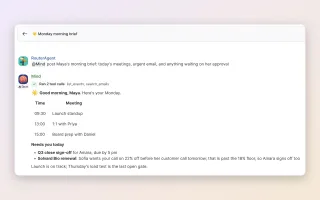
MindRoom is a self-hosted AI agent platform where each agent functions as a genuine Matrix user. You receive personal assistants for managing your calendar, notes, travel plans, and home infrastructure, along with shared team assistants for email, documents, and code. Agents maintain long-term memory through Mem0 and ChromaDB, can automatically acquire skills from recurring tasks, and integrate with over 100 tools including Gmail, GitHub, Google Docs, Home Assistant, and any MCP server. A built-in browser allows agents to operate on the web while you observe and intervene for authentication or passkeys. The stack deploys via a single uvx command, Docker, Docker Compose (including Synapse and the chat application), Kubernetes Helm charts, or a native macOS application. The chat client (MindRoom Chat) operates on web, Mac, iOS, and Android (beta). The core repository uses Apache 2.0 licensing; the SaaS platform directory uses BSL 1.1. Hosted plans start at $10/month.
Should you self-host MindRoom?
MindRoom scores 52/100 on selfhost.directory (how scoring works) and ranks #86 of 209 in AI Agents. It has 355 GitHub stars.
It shipped 19 stable releases in the past year. The latest, v2026.10.636, came out on 28 October 2026.
Setup is moderate: expect some configuration beyond a single command. An official Docker image is available. It is Apache-2.0-licensed and written mostly in Python.
Its closest alternative on selfhost.directory is Orca (91/100, 108 446 stars). It scores higher overall, so compare the two before you pick. See MindRoom vs Orca side by side.
Features
- 100+ tool integrations
- Automatic skill learning
- Browser automation with takeover
- Desktop bridge
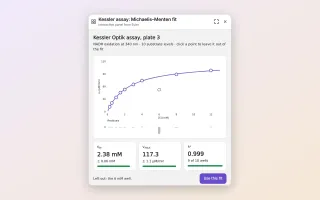
- Interactive canvases
- Isolated execution
- Knowledge bases (RAG)
- Knowledge Graph
- Model Routing
- Multi-Agent Orchestration
- Persistent memory
- Scheduling & Automation
- Streaming Responses
- Tool approvals
- Voice messages and calls
MindRoom README
More in AI Automation
 model-composemodel-compose is a self-hosted, open-source tool for building AI pipelines in YAML with local/cloud models, streaming, Gradio UI, and Docker deployment.
 muxiMUXI is a self-hosted, open-source AI application server that lets you declare AI agents in YAML as deployable formations, then run them with a single command.
 n8n-installSelfhost AI is an open-source Docker Compose installer for a complete AI homelab with n8n, Ollama, Open WebUI, AI agents, RAG, and monitoring behind automatic HTTPS.
 nixopusNixopus is a self-hosted, open-source deployment platform with an AI agent that handles the full app lifecycle.
 noraOpen-source control plane to run AI agent fleets on your infrastructure via Docker or Kubernetes with dashboard, API, CLI, and MCP automation.
 Oh My SubagentsOh My Subagents is a self-hosted, open-source runtime that turns ad-hoc AI subagents into durable, accountable teams for Codex and Claude.
 omadiaSelf-hosted, open-source agentic OS for running multi-agent AI teams on your own infrastructure with privacy controls and audit trails.
 OmnaraOpen-source, self-hosted managed agent platform: run AI agents through one REST API with durable state, tool approvals, and any model or machine.
 OmniOmni is a self-hosted, open-source AI agent connecting to workplace tools like Google Workspace, Microsoft 365, Slack, and Jira to gather context and execute tasks.
 OmniParseSelf-hosted OmniParse converts documents, multimedia, and web content into structured markdown optimized for LLM apps like RAG. Open-source solution with Docker.
 Open FlowOpen-source AI workflow automation platform where AI agents build workflows connecting 1,600+ apps, with visual Workbench for inspection and human approval.
 openlegionSelf-hosted platform for isolated AI agent teams with credential vaulting, spend limits, and a web dashboard — free for internal use under a source-available license.
0 comments