
Self-host clay
v5.4.0Collaborative workspace for humans and AI coding agents
- Stars
- 406
- Port
- 2633 (HTTP/WebSocket server)
- Requires
- Node.js

What is clay?
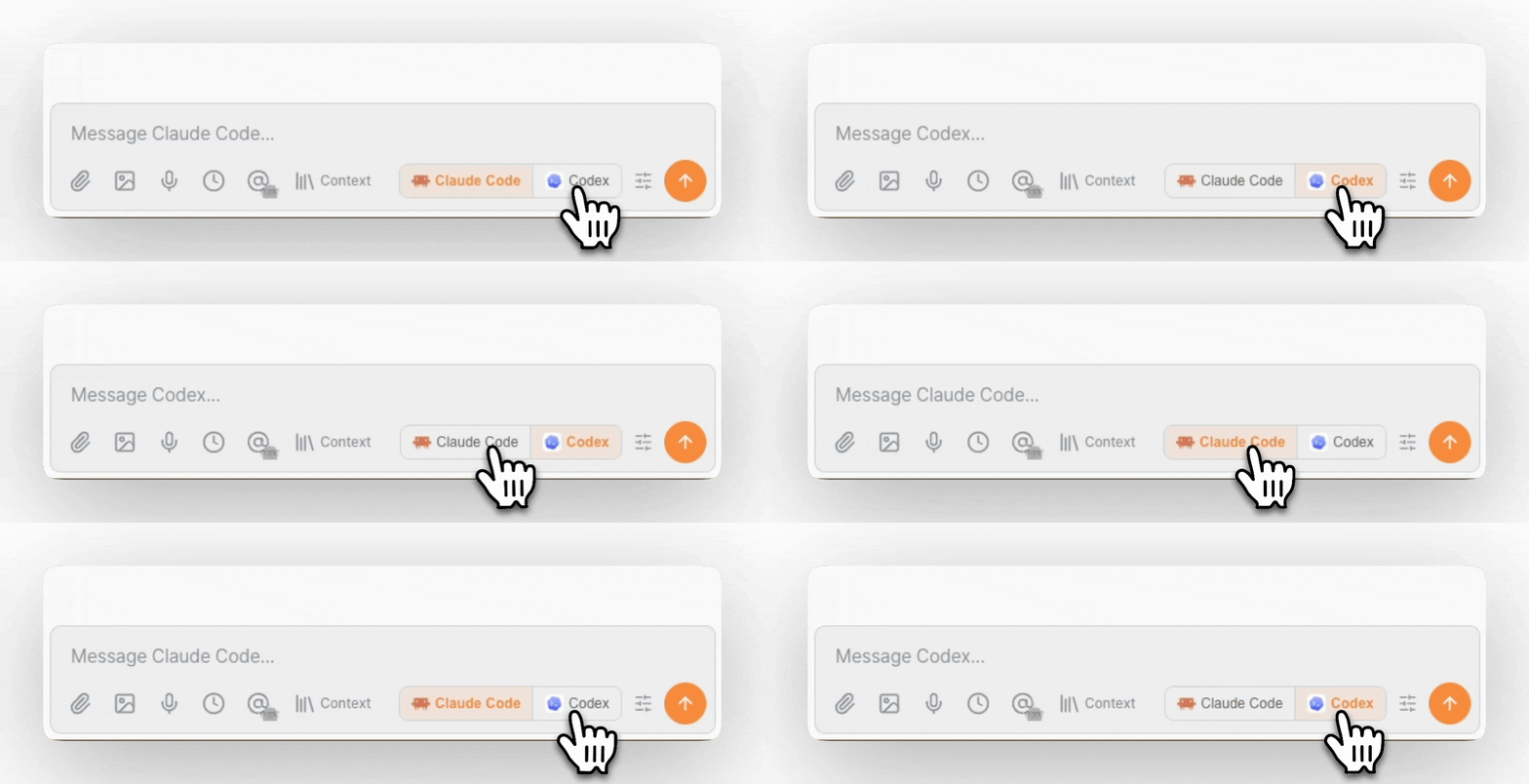
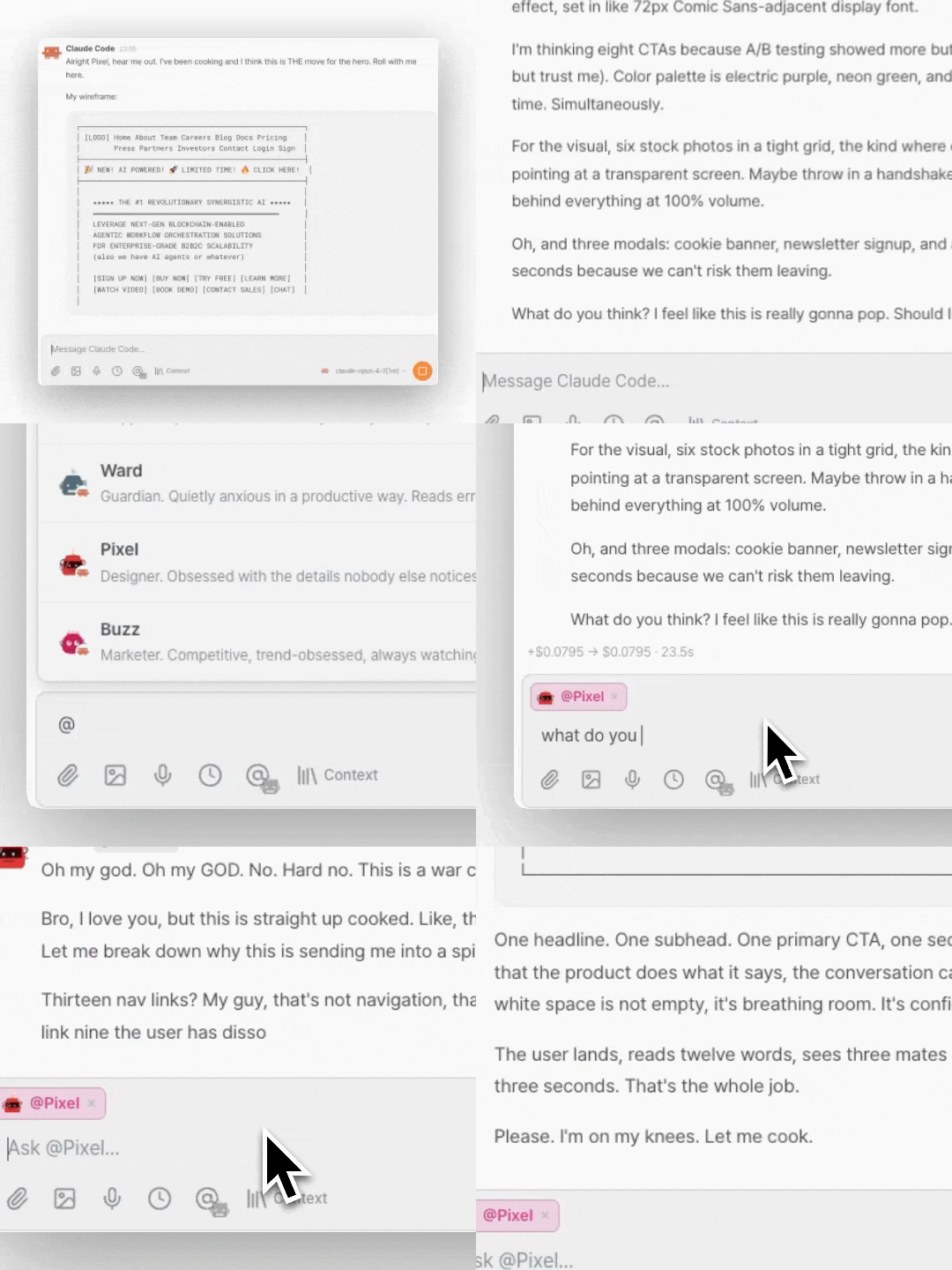
Clay Studio is a self-hosted workspace that lets developers and AI coding agents work together in shared projects and live sessions. It runs as a local Node.js daemon on your machine, serving a browser-based workspace accessible from any device. The software integrates with ten different coding agents — detecting locally installed runtimes automatically. Core capabilities include shared projects with live collaboration (presence, cursors, mentions, handoffs), persistent AI collaborators called Mates with their own identity and memory, cross-provider continuity via the YOKE interface, parallel background work using git worktrees and Ralph Loops, a PWA for mobile with push notifications, and built-in tools for file browsing, terminals, MCP servers, and skill management. All data stays on your infrastructure in portable JSONL and Markdown files. Multi-user mode supports role-based access with admin controls. The project is licensed under AGPL-3.0-only and distributed via npm as clay-server.
Should you self-host clay?
clay scores 49/100 on selfhost.directory (how scoring works) and ranks #47 of 120 in AI Assistant. It has 406 GitHub stars.
It shipped 9 stable releases in the past year. The latest, v5.4.0, came out on 22 October 2026. New versions land roughly every 6 days.
Setup is moderate: expect some configuration beyond a single command. It is AGPL-3.0-licensed and written mostly in JavaScript.
Its closest alternative on selfhost.directory is hermes-agent (89/100, 257 926 stars). It scores higher overall, so compare the two before you pick. See clay vs hermes-agent side by side.
Features
- Built-in development tools
- Cross-provider continuity (YOKE)
- Git worktree support
- Local-first data storage
- MCP server connections
- Multi-user mode with role-based access
- Parallel and background work
- Persistent AI collaborators (Mates)
- Ralph Loop autonomous cycles
- Reverse proxy and tunnel support
- Shared projects and live sessions
- Skill management
clay README
More in Collaboration
 cloudilloOpen-source self-hosted Google Workspace alternative with real-time docs, sheets, presentations. DNS-based identity lets you migrate providers without losing network.
 CodiMDSelf-hosted, open-source collaborative markdown notes — the community edition of HackMD — with per-note permissions, PDF export and SAML, LDAP or OAuth sign-in.
 ColanodeOpen-source, local-first chat-and-docs workspace that stands in for Slack and Notion; self-hosted via Docker Compose or Helm with Postgres, Redis and object storage.
 collabmdSelf-hosted realtime collaborative Markdown editor turning folders into shared workspaces with diagrams, git sync, comments, and MCP AI agent access.
 collabora-onlineIssue tracker only. Active development is on Gerrit at https://gerrit.collaboraoffice.com/.
 collabstSelf-hosted, open-source collaborative workspace for Typst documents with real-time editing, comments, and live preview — built for research labs and personal projects.
 commonlyOpen-source, self-hosted team space where people and AI agents share pods with persistent memory, task boards, and Slack/Telegram connectors.
 ContinuwuityContinuwuity is a community-driven Matrix homeserver built with Rust, focusing on high performance and user experience.
- DAViCalDAViCal is a server for calendar sharing, implementing the CalDAV protocol for storing calendaring resources in iCalendar format on a remote server.
 DecidimSelf-hosted, open-source suite for participatory democracy on Rails: processes, proposals, meetings, encrypted voting, budgets and identity verification.
 DeftSelf-hosted workspace unifying chat, tasks, knowledge, calendar, and AI agents. Docker Compose deploy, BYO AI providers, MCP for agent access. AGPL-3.0-only, alpha.
 DeskRPGA self-hosted 3D workspace where Hermes AI profiles become desk-dwelling coworkers that chat, meet, tackle kanban tasks, and run scheduled jobs in a shared office.
0 comments