
Self-host Omoide
v0.7.6Offline-first photo and video library with local AI
- Stars
- 277
- Port
- 8123 (HTTP web interface)
- Requires
- SQLite (embedded via sqlite-vec)
einaeffchen/omoide:latest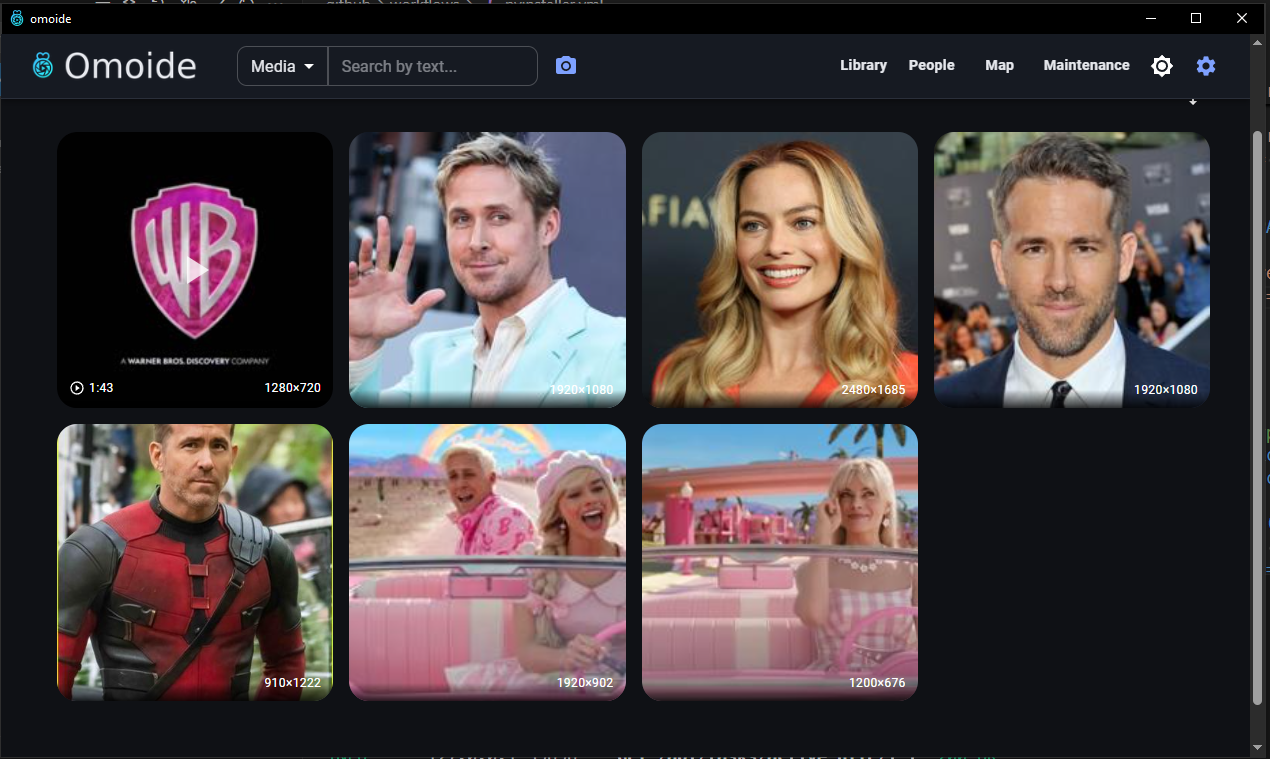
What is Omoide?
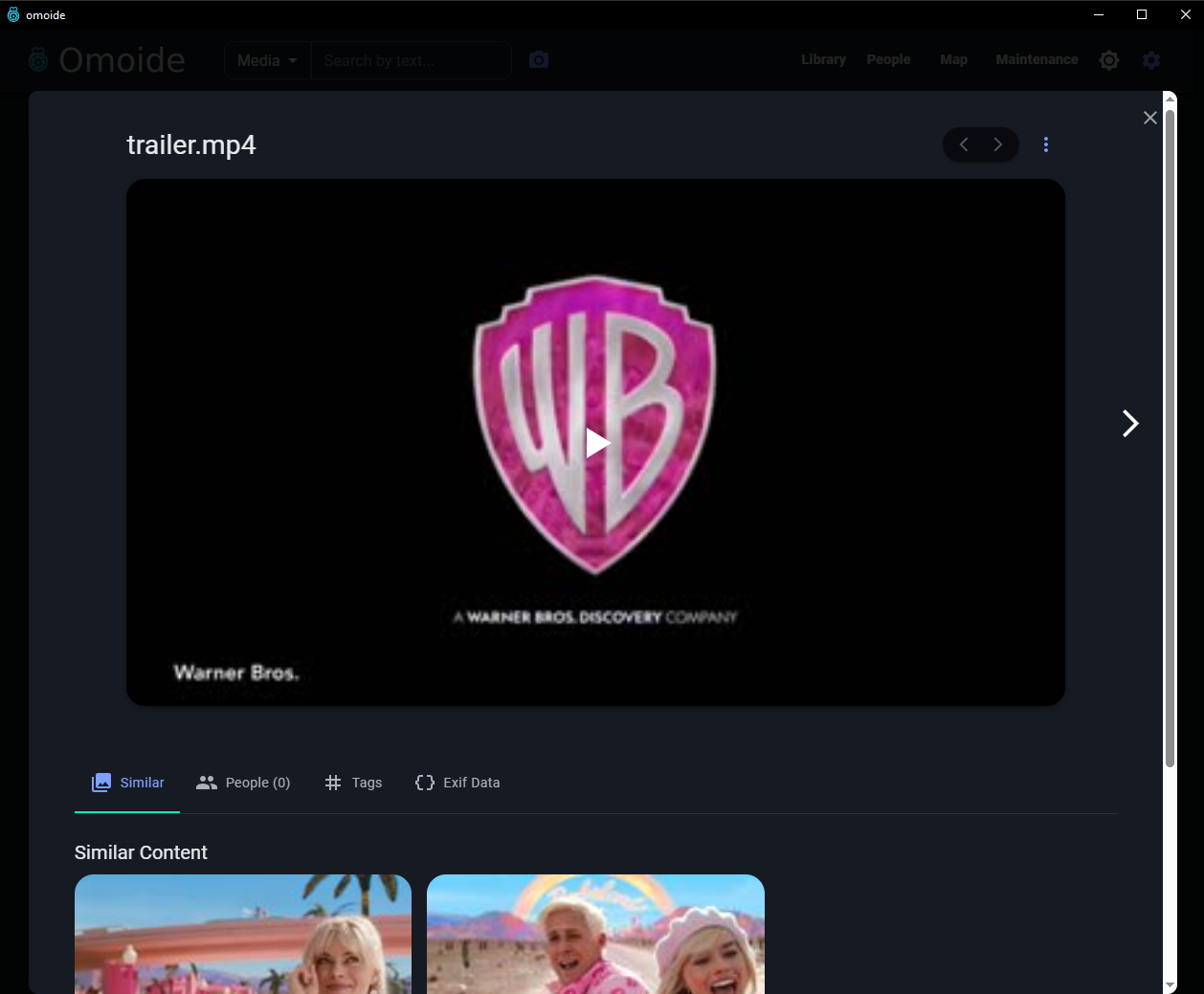
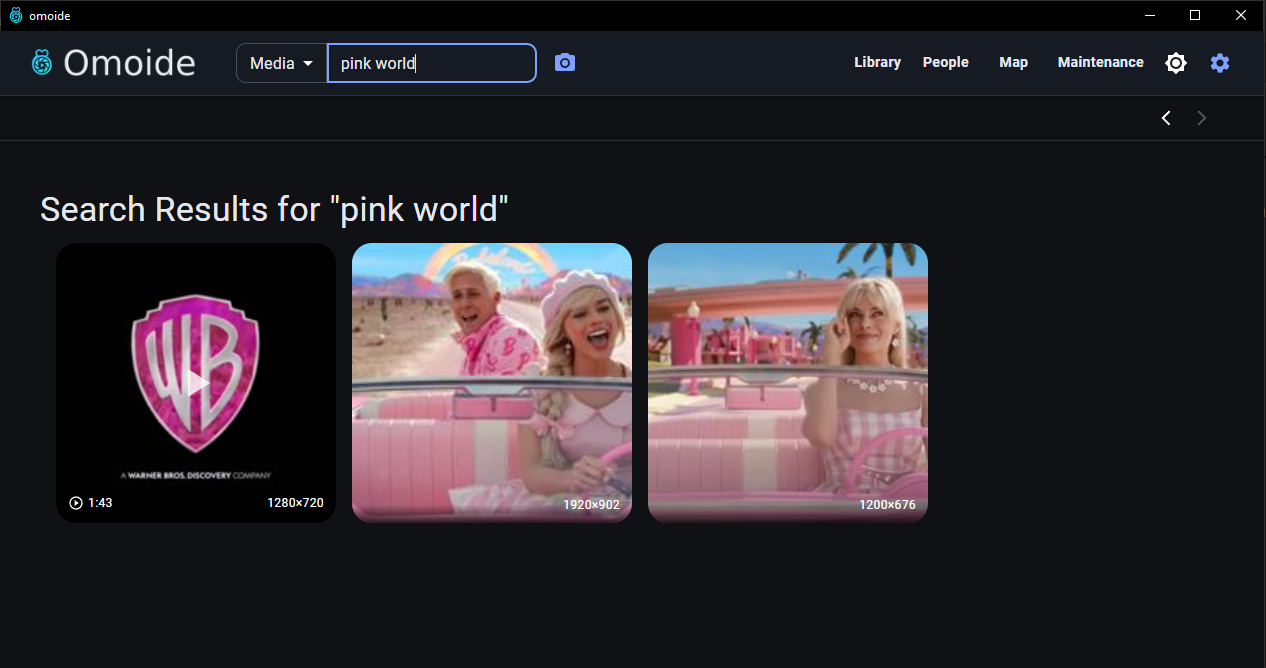
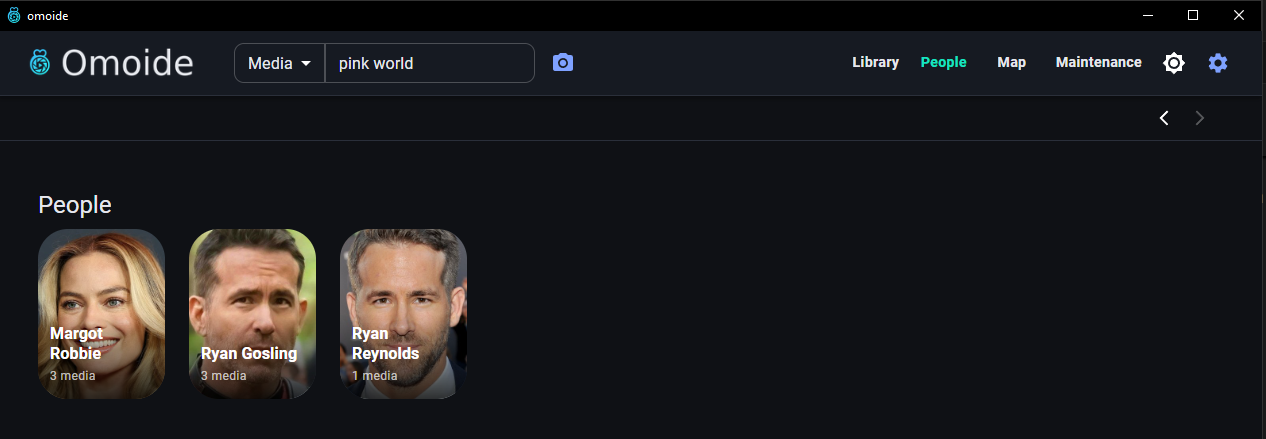
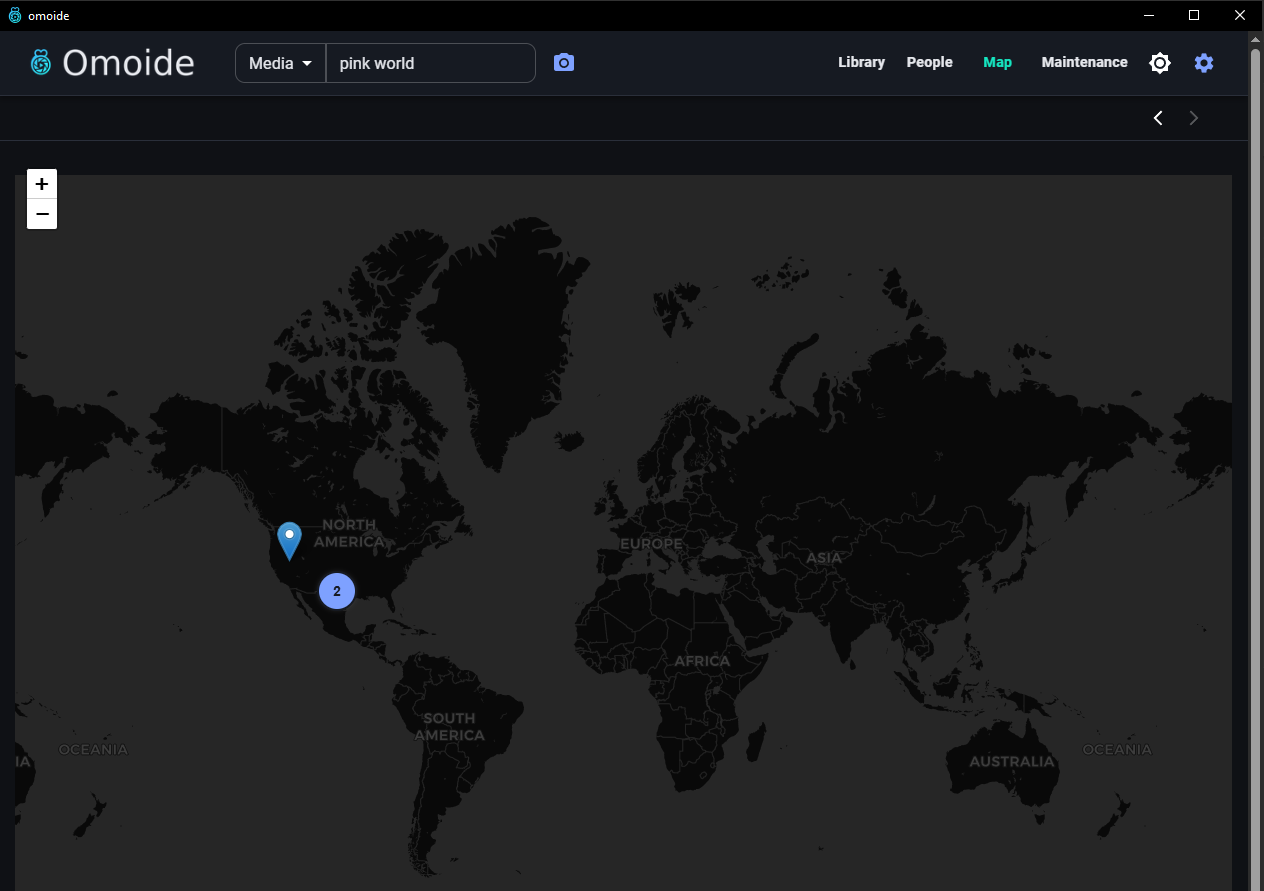
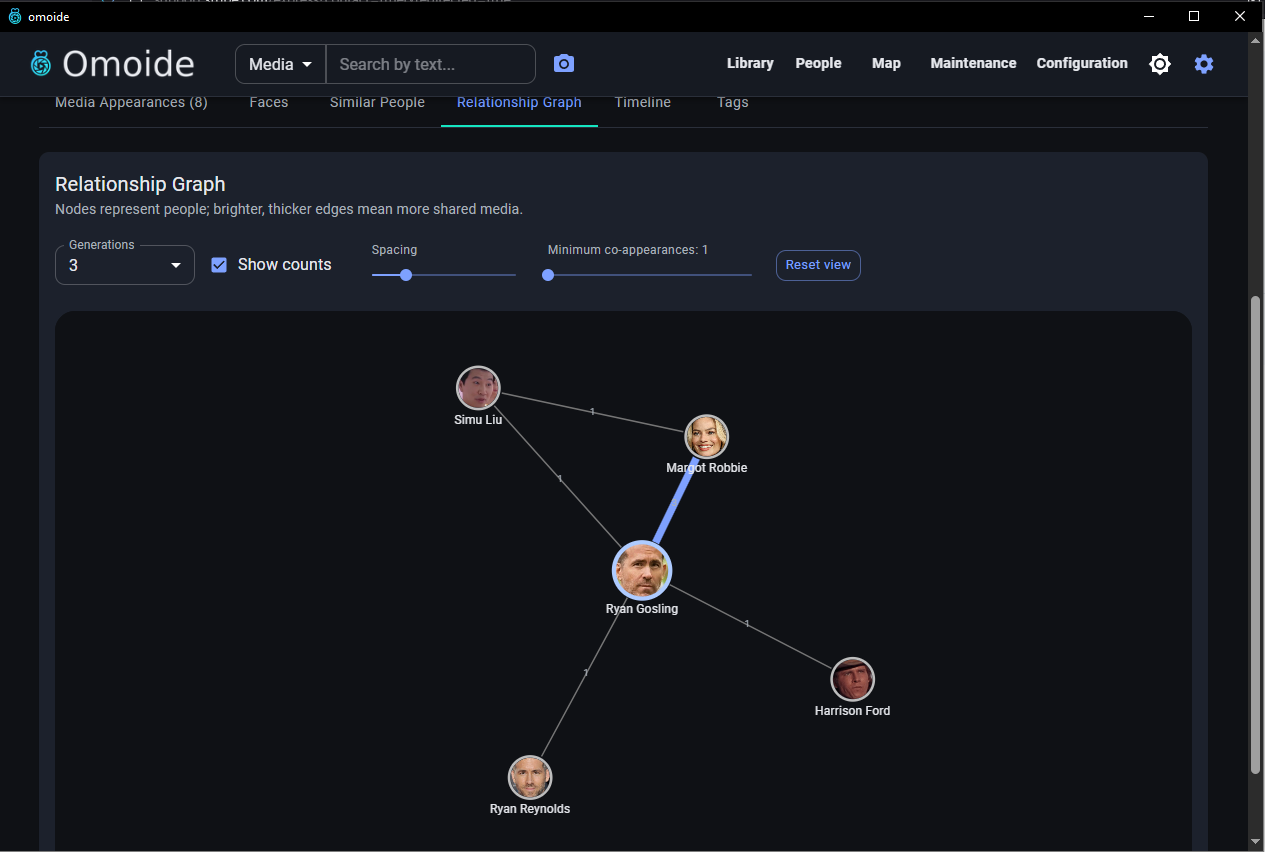
Omoide manages photos and videos on your own hardware without any cloud dependency. Local AI models handle face detection, recognition, and grouping, while OpenCLIP embeddings enable natural-language search across the library. It also finds duplicates, extracts video scenes, plots images on a map, and builds relationship graphs between recognized people. You can run it as a desktop program on Windows, Linux, or macOS, or deploy it in a container on a server or NAS. The code is available under a non-commercial license for personal use.
Should you self-host Omoide?
Omoide scores 40/100 on selfhost.directory (how scoring works) and ranks #37 of 41 in Photo Management. It has 277 GitHub stars.
It shipped 16 stable releases in the past year. The latest, v0.7.6, came out on 21 October 2026. New versions land roughly every 5 days.
Setup is moderate: expect some configuration beyond a single command. An official Docker image is available. It is Other-licensed and written mostly in Typescript.
Its closest alternative on selfhost.directory is Ente (81/100, 29 702 stars). It scores higher overall, so compare the two before you pick. See Omoide vs Ente side by side.
Features
- Auto-Tagging
- Background tasks
- Co-appearance Graph
- Duplicate Detection
- Face Recognition
- Map View
- Multiple Profiles
- Read-Only Mode
- Semantic Search
- Video support
Omoide README
More in Video
 OpenBriefFree open-source desktop app for macOS, Windows, Linux that imports video/audio, extracts transcripts locally, generates grounded summaries, and lets you chat.
 opencutOpen-source, self-hosted video editor pitched against CapCut: timeline editing in your browser with media kept on-device, Docker Compose stack with Postgres and Redis.
 pigeon-podOpen-source, self-hosted podcast converter that syncs YouTube and Bilibili channels into private RSS feeds with content filters, media downloads, and multi-user access.
 PinchflatA self-hosted, open-source YouTube media manager: yt-dlp-based rules download channels and playlists for Plex, Jellyfin, Kodi or podcast apps.
 sdnextSelf-hosted, open-source Stable Diffusion web UI to generate, caption, upscale and edit images and video, with many GPU backends and model quantization for low VRAM.
 ShumaiA self-hosted, open-source Frame.io replacement for creative teams to organize media, give frame-accurate feedback, and work together with optional AI agents.
 SubDuetTwo languages. One subtitle. Local-first bilingual subtitles for Plex, Jellyfin, Emby and your media folders.
 surselvaSurselva is a self-hosted, open-source web app for LAN users to submit YouTube URLs for async downloading via yt-dlp.
 SyncplayThis open-source client/server keeps mpv, VLC and MPC players in sync so groups watch videos together, with a self-hosted server on port 8999, chat and shared playlists.
 tubesyncA self-hosted, open-source YouTube PVR like Sonarr for YouTube: it indexes channels and playlists, downloads media via yt-dlp, and updates your Plex or Jellyfin library.
 TunarrSelf-hosted, open-source IPTV server that turns your Plex, Jellyfin, Emby or folder collections into round-the-clock custom channels with EPG guide and M3U output.
 VibraVidSelf-hosted open-source downloader for movies, series, anime and music via HLS/DASH/ISM, with Widevine/PlayReady decryption, web GUI and Sonarr/Radarr automation.
0 comments