
Self-host LaraPaper
0.45.1Self-hosted TRMNL BYOS server with recipe support
- Stars
- 443
- Port
- 8080 (HTTP application server inside container)
ghcr.io/usetrmnl/larapaper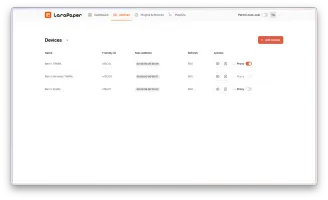
What is LaraPaper?
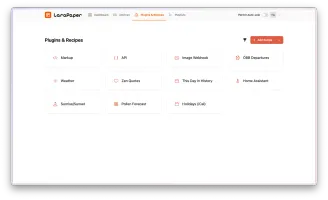
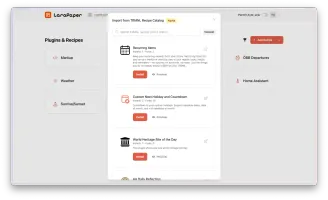
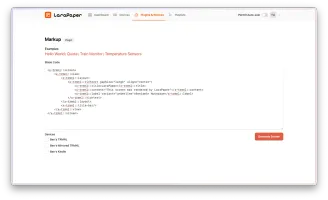
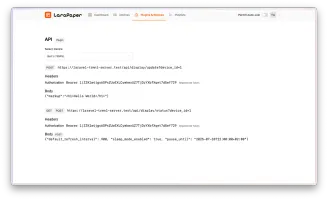
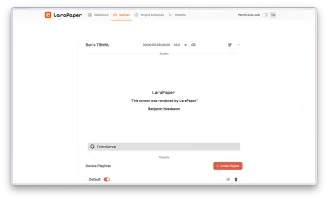
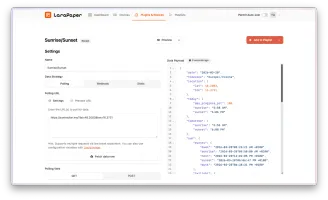
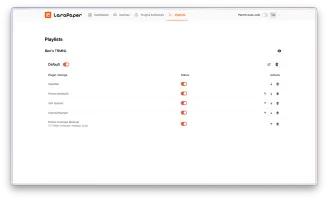
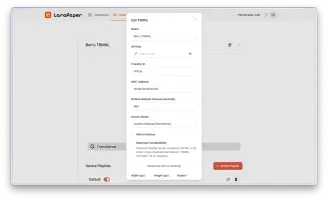
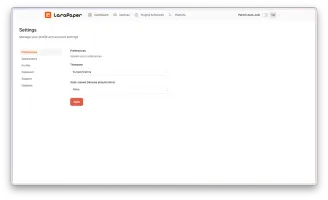
LaraPaper is a self-hosted TRMNL BYOS server written in PHP using Laravel. It manages TRMNL-compatible e-paper devices including official hardware, DIY kits, e-readers, Android devices, and Raspberry Pi displays. Screens are generated via native plugins, community recipes, REST API, web UI markup, or custom Blade views. It acts as a proxy for the TRMNL cloud service for hybrid setups (requires Developer Edition). The web UI has dark mode. Deployment options include Docker Compose, bare-metal PHP, Laravel Forge, Dokploy, Umbrel, and VS Code devcontainer. Default database is SQLite; MySQL and PostgreSQL are supported. Authentication uses email/password with optional Passkeys and OpenID Connect. An experimental MCP server exposes recipe management to AI clients.
Should you self-host LaraPaper?
LaraPaper scores 51/100 on selfhost.directory (how scoring works) and ranks #61 of 104 in Home Automation. It has 443 GitHub stars.
It shipped 10 stable releases in the past year. The latest, 0.45.1, came out on 21 October 2026. New versions land roughly every 9 days.
Setup is moderate: expect some configuration beyond a single command. An official Docker image is available. It is MIT-licensed and written mostly in PHP.
Its closest alternative on selfhost.directory is Home Assistant (91/100, 91 796 stars). It scores higher overall, so compare the two before you pick. See LaraPaper vs Home Assistant side by side.
Features
- Auto-Join
- Blade View Customization
- Device Management
- Markup Editor
- MCP Server (Experimental)Experimental feature in Lab, alpha quality
- Multiple database support
- OpenID Connect
- Passkey Authentication
- Recipe support
- REST API
- Screen Generation via Plugins
- TRMNL Cloud ProxyRequires TRMNL Developer Edition license
LaraPaper README
More in Device Management
 mbentley/omada-controllerOpen-source, self-hosted Docker image of TP-Link's free Omada Software Controller for managing access points, switches, and routers, with rootless and OpenJ9 builds.
 monitorSelf-hosted BTLE presence detection: track phones, beacons and iBeacons on Raspberry Pi nodes and publish confidence-based occupancy updates to MQTT.
 MunkiReportMunkiReport is a self-hosted, open-source reporting server for macOS fleets that collects inventory from managed Macs and presents it in a customizable web dashboard.
 NutifyOpen-source, self-hosted UPS monitoring built on Network UPS Tools: live status, historical telemetry, alerts via mail, Ntfy, Telegram or webhooks, scheduled reports.
 OCO ServerSelf-hosted open-core endpoint management for inventory, software deployment, and MDM across Linux, macOS, Windows, Android, iOS. Free up to 20 devices.
 octofleetSelf-hosted, open-source endpoint management for Windows/Linux fleets with real-time inventory, vulnerability scanning, patch management, and remote access.
 OctoprintSelf-hosted open-source web UI to control and monitor 3D printers from a browser: webcam feed, GCODE viewer, slicing, timelapses, plugin system.
 OpenRemoteA self-hosted, open-source (AGPLv3) IoT platform for device management, rule-based automation, multi-protocol agents (MQTT, HTTP, KNX, Z-Wave), and real-time dashboards.
 openuem-consoleOpenUEM Console is the self-hosted, open-source web UI for managing IT assets, deploying software, and remote assistance across Windows, Linux, and macOS endpoints.
 plain-appOpen-source, self-hosted Android app that runs a web server on your phone so you can manage files, photos, SMS, contacts and screen from any browser.
 Print Farm ManagerSelf-hosted web app to manage fleets of 3D printers from Prusa, Bambu Lab, Elegoo, and Klipper with live monitoring, automated job scheduling, and zero cloud reliance.
 privateglue-publicPrivateGlue is a self-hosted, open-source web app linking devices, Markdown notes, and encrypted credentials for freelancers and homelabbers.
0 comments