
Self-host Kurrier
v4.3.0Self-hosted email, calendar, contacts and file workspace
- Stars
- 1 066
- CPU
- 1 vCPU
- RAM
- 1 GB
- Ports
- 3000 (Web dashboard), 5232 (CalDAV/CardDAV (DAV) sync)
- Requires
- PostgreSQL, Redis




What is Kurrier?
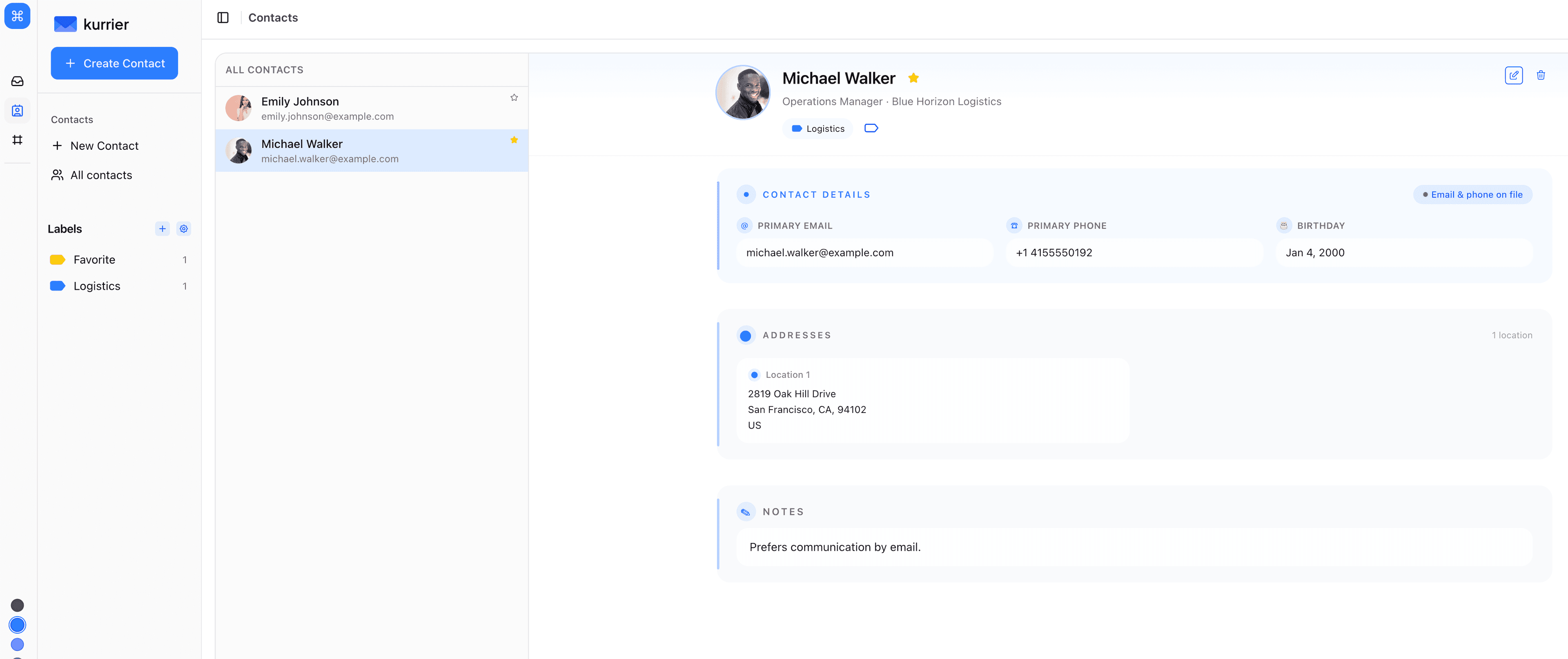
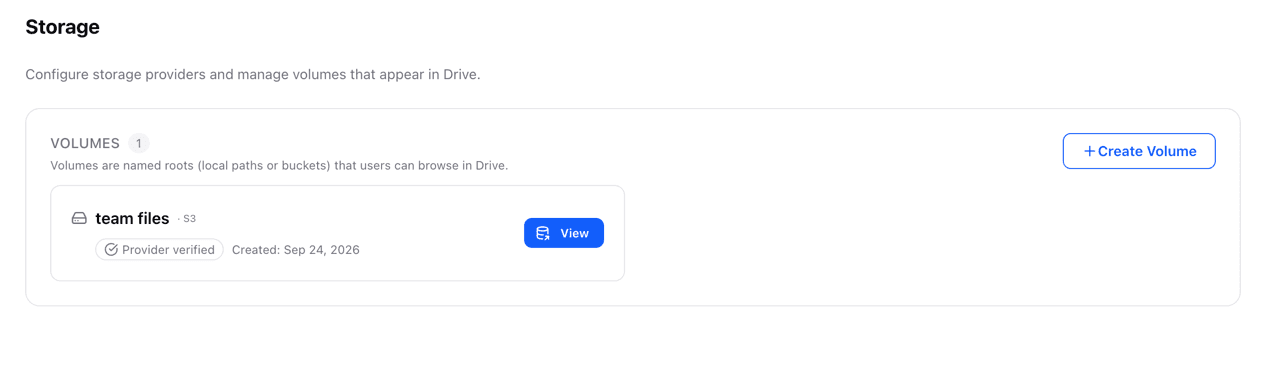
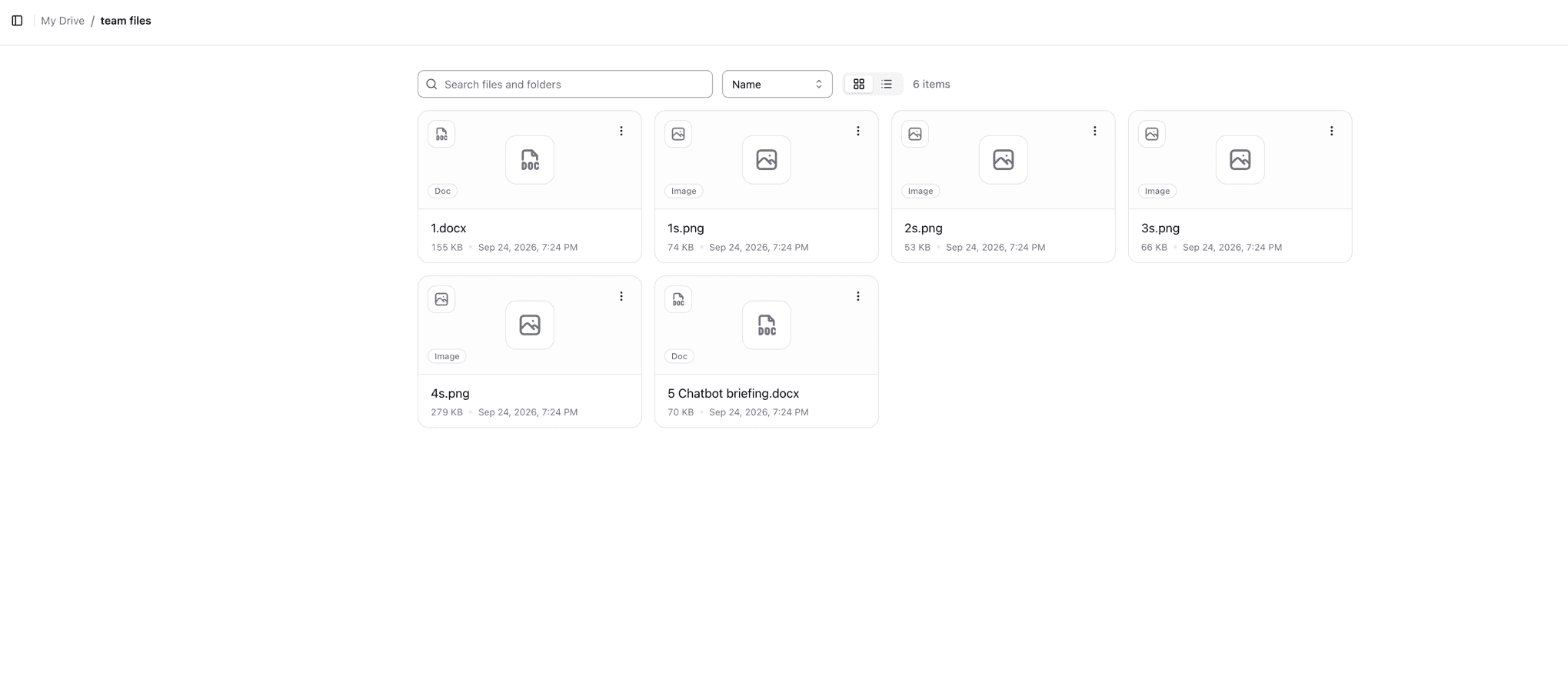
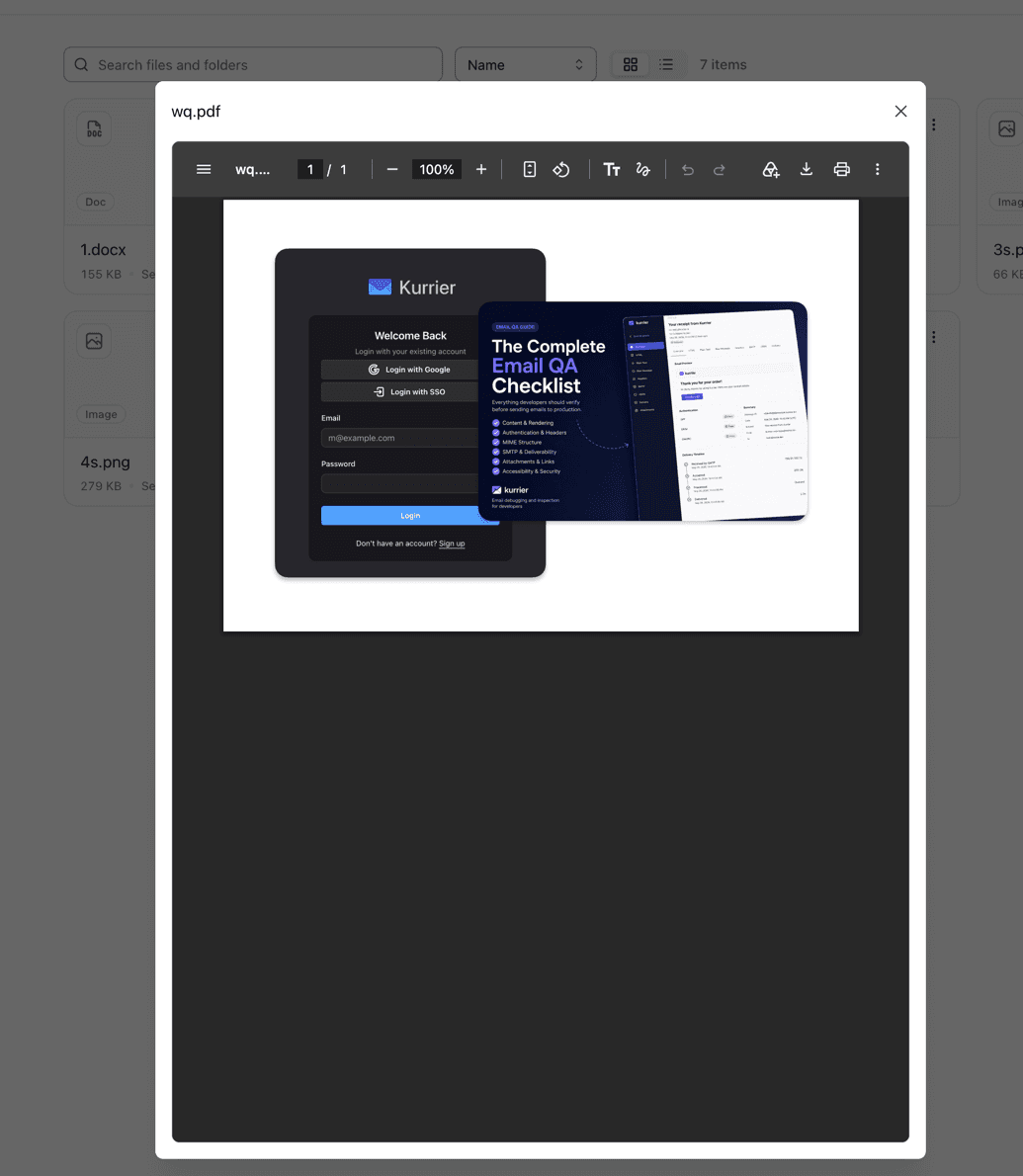
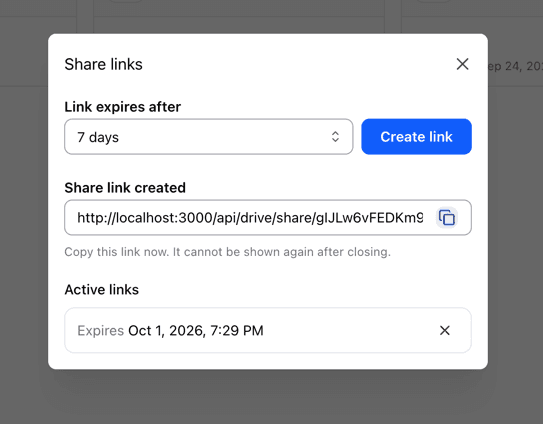
A modern, self-hosted workspace that combines email, calendars, contacts, and file storage in a single web interface. It works with existing email providers through IMAP, SMTP, AWS SES, SendGrid, Mailgun, and Postmark; syncs calendars via CalDAV with Apple Calendar, Thunderbird, DAVx⁵, and Outlook; syncs contacts via CardDAV across iOS, Android, macOS, Windows, and Linux; and provides WebDAV/S3-backed file storage with sharing. Authentication options include local accounts, Google OIDC, and generic OIDC providers. The application is API-first with a management API for provisioning. Deployment uses Docker Compose with PostgreSQL and Redis, with a minimum of 1 GB memory and one CPU core. Licensed under AGPL-3.0-or-later. Hosted versions are available at Kurrier.io and Kurrier Mail.
Should you self-host Kurrier?
Kurrier scores 55/100 on selfhost.directory (how scoring works) and ranks #43 of 106 in Email. It has 1 066 GitHub stars.
It shipped 6 stable releases in the past year. The latest, v4.3.0, came out on 24 September 2026. New versions land roughly every 4 days.
Setup is moderate: expect some configuration beyond a single command. It is Other-licensed and written mostly in Typescript.
Its closest alternative on selfhost.directory is Listmonk (80/100, 24 019 stars). It scores higher overall, so compare the two before you pick. See Kurrier vs Listmonk side by side.
Features
- Calendars (CalDAV)
- Contacts (CardDAV)
- Email (IMAP/SMTP)
- Extensions system
- File storage (WebDAV/S3)
- JMAP support
- Localization
- Mail rules and signatures
- Management API
- OIDC/SSO Authentication
- Transactional email providers
- Workspace branding
Kurrier README
More in File Storage
 leilfsLeilFS is a self-hosted, open-source distributed POSIX file system with high availability, erasure coding, and linear scalability for media, AI, backup, and HPC.
 leofsLeoFS is a self-hosted, open-source distributed object storage with S3 API compatibility, multi-datacenter replication, and REST/NFS support for large-scale data lakes.
 lufinLufin is an open-source, self-hosted file sharing service with client-side encryption, password protection, and support for multiple databases and S3 storage.
 nhostOpen-source Firebase alternative and Backend-as-a-Service: Postgres, Hasura GraphQL APIs, auth, file storage and serverless functions, self-hosted with Docker Compose.
 OpenAFSOpenAFS is a self-hosted, open-source distributed filesystem providing location-independent file sharing across Linux, UNIX, macOS, and Windows with Kerberos auth.
 ottrboxOttrBox is a self-hosted, open-source file sharing platform for sending files via secure links with expiration, passwords, and visitor limits — a WeTransfer alternative.
 perkeepPerkeep is an open-source, self-hosted personal storage system for keeping, syncing and sharing content, with search, a web UI, FUSE mounts and cloud blob backends.
 pingvin-share-xOpen-source self-hosted file sharing platform and WeTransfer alternative with link sharing, expiration, passwords, ClamAV scanning, S3 support, and OIDC/LDAP auth.
 PlikSelf-hosted temporary file sharing platform with multiple storage backends, end-to-end encryption, and both CLI and web interfaces for easy file transfers.
 SafebucketSafebucket is a self-hosted, open-source file sharing platform where uploads/downloads bypass the server via presigned URLs to S3-compatible storage.
 simpnasSelf-hosted NAS operating system with a web UI for managing drives, volumes, network shares, users, and integrated apps like Jellyfin and Transmission.
 srcSelf-hosted open-source file sharing with Flask/Preact. Direct links, 24h auto-delete, 200MB limit, MongoDB + S3 storage.
0 comments