
Self-host hanabira.org
v0.3.8Japanese & Korean learning portal with immersion tools
- Stars
- 428
- Port
- 80 (nginx reverse proxy (main web UI))
- Requires
- MongoDB
coil/hanabira.org:frontend-next


What is hanabira.org?
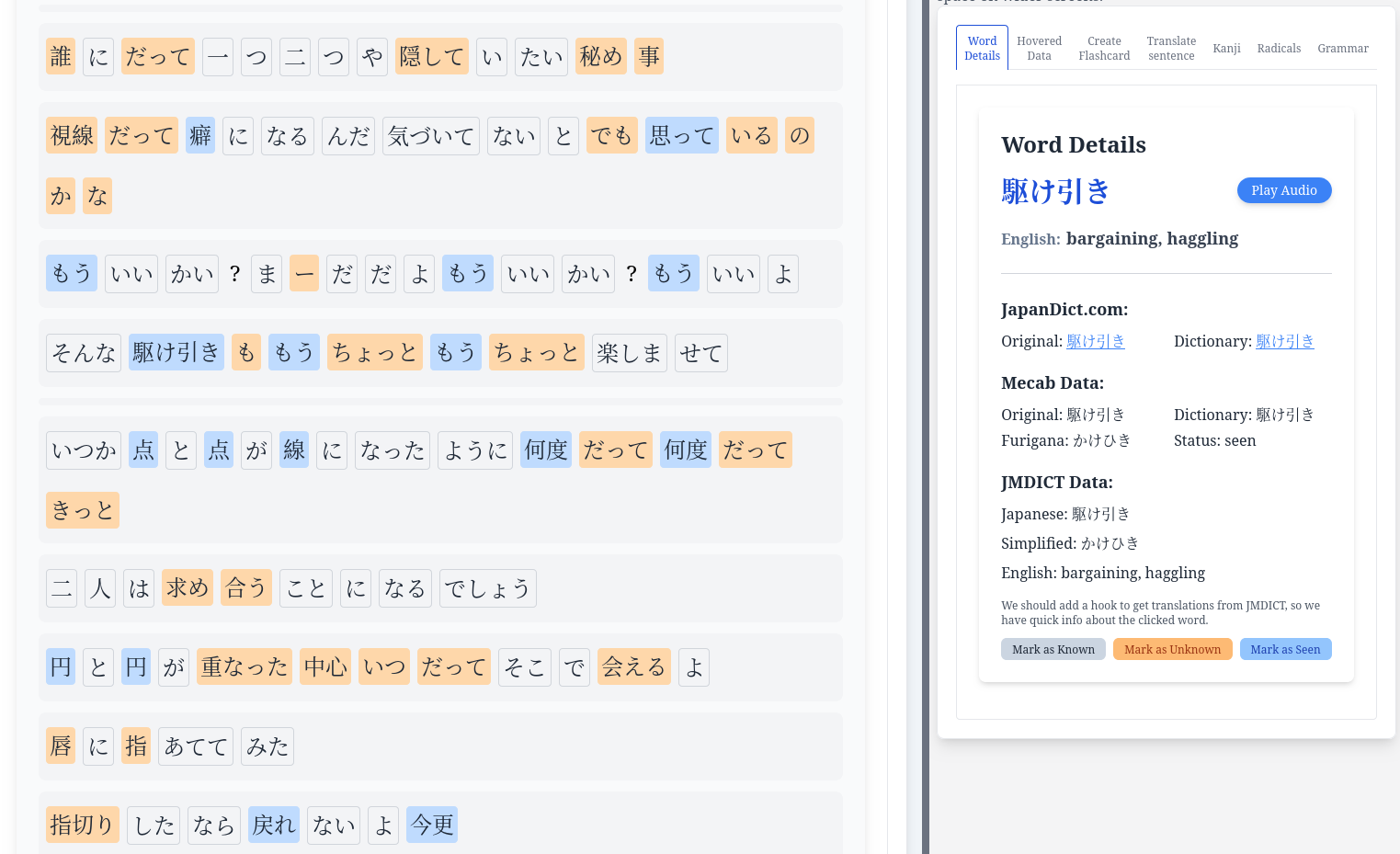
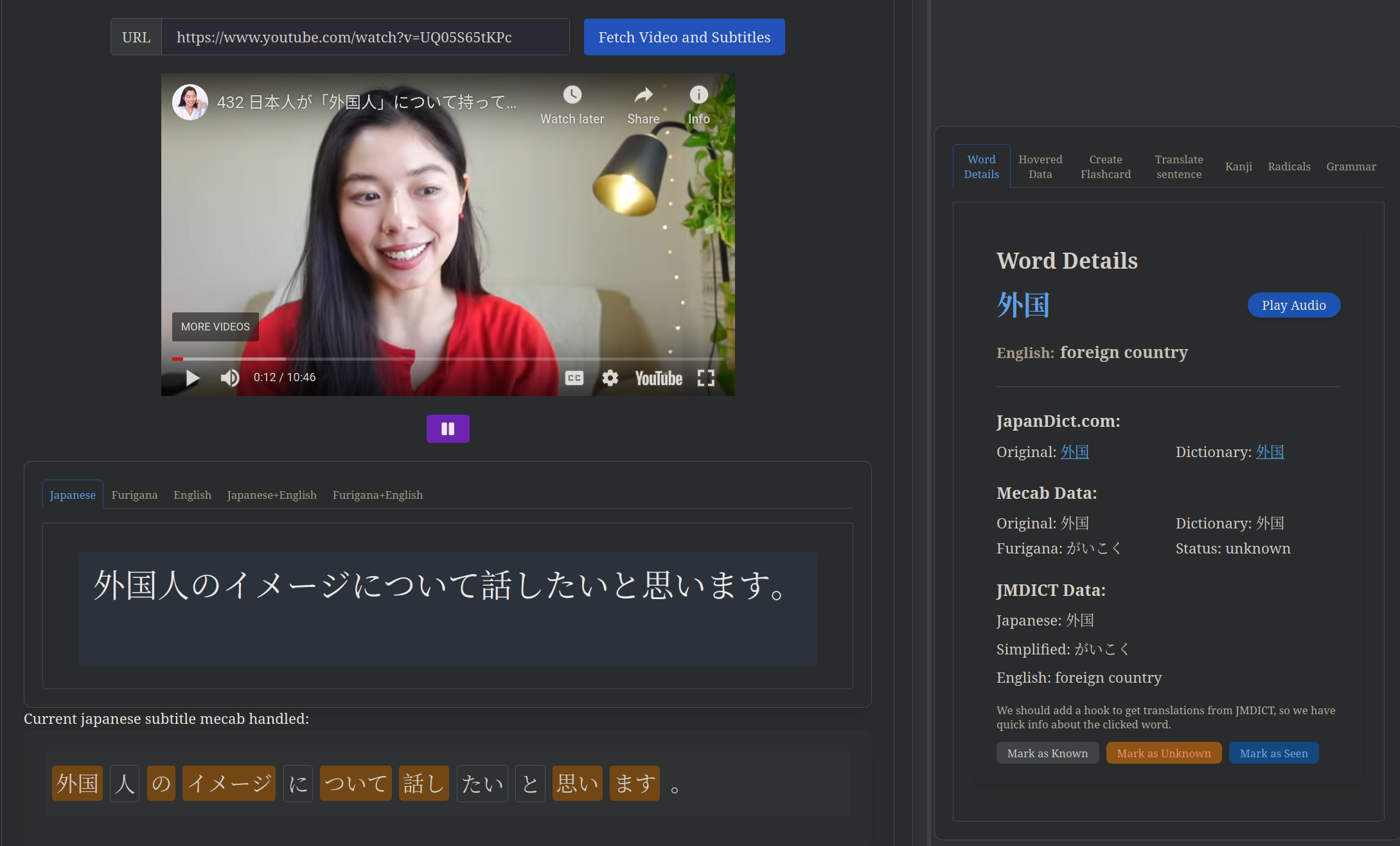
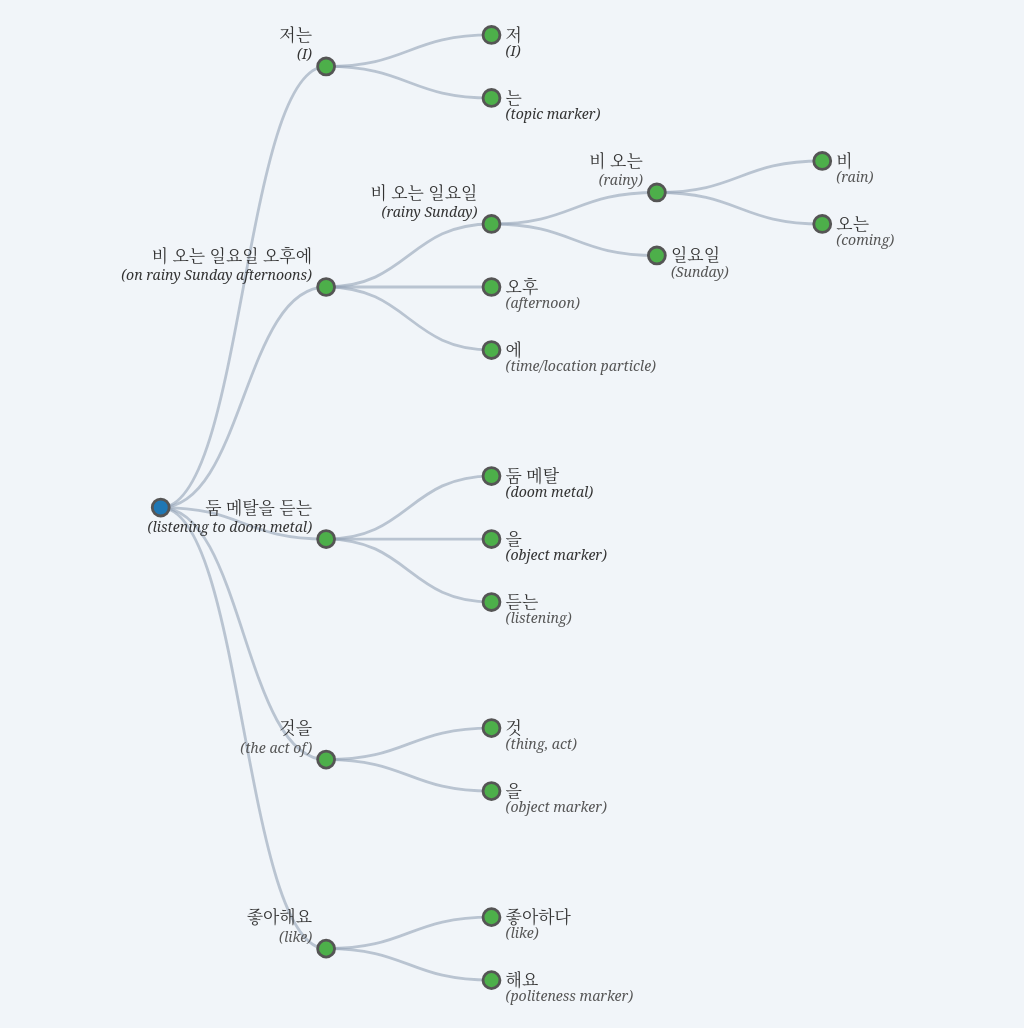
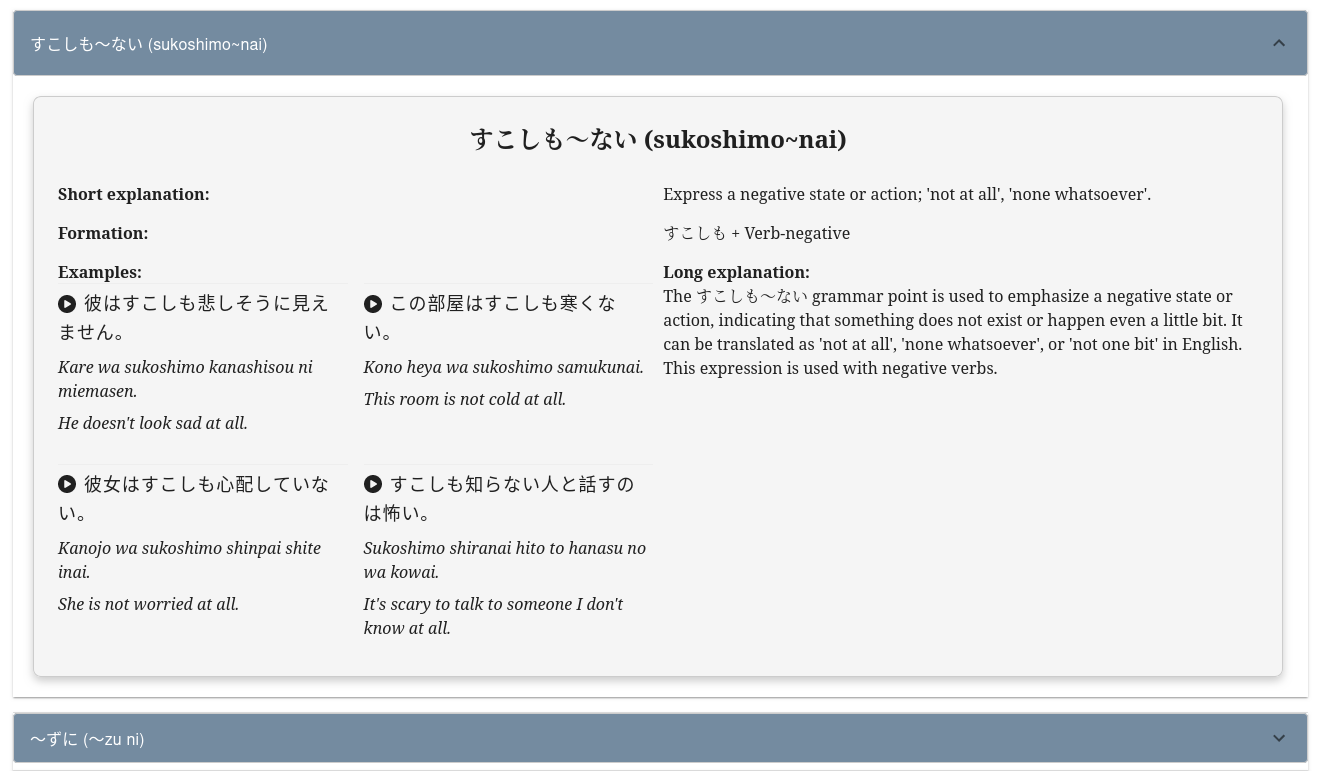
Hanabira.org is a free, open-source language learning platform focused on Japanese (JLPT N5–N1) and Korean (TOPIK). It combines immersion tools — YouTube and Netflix subtitle parsing, manga OCR, EPUB reader — with structured study: a WaniKani-style kanji path (Hanamichi), SRS flashcards, grammar library, quizzes, and interactive relation graphs. All learned words feed a single knowledge profile so furigana fades on known kanji and every tool shows what percentage of a video or text you already know. The self-hosted edition runs via Docker Compose (nginx on port 8888, Next.js frontend, Express/Flask backends, dictionary service) and uses MongoDB for data. Core features are free forever; a $1/month Patreon Supporter plan unlocks unlimited AI-powered immersion, OCR, and LLM translations. The project is in public alpha (v0.9.0 on the live site, v0.3.x prereleases on GitHub) and the maintainer notes containers are large, unoptimized, and run as root.
Should you self-host hanabira.org?
hanabira.org scores 44/100 on selfhost.directory (how scoring works) and ranks #21 of 30 in Education. It has 428 GitHub stars.
There was no stable release in the past 12 months, so check the repository's recent activity before you rely on it.
Setup is moderate: expect some configuration beyond a single command. An official Docker image is available. It is MIT-licensed and written mostly in Typescript.
Its closest alternative on selfhost.directory is flashcards-open-source-app (45/100, 103 stars). It scores higher overall, so compare the two before you pick. See hanabira.org vs flashcards-open-source-app side by side.
Features
- Chrome ExtensionDesktop only; installs via GitHub (Developer Mode).
- Classroom ToolsFree 30-day trial, then $12/seat/year (min 3 seats).
- EPUB / Light Novel ReaderRequires Supporter plan.
- Grammar Explanations
- Grammar Graph / Sentence Analyzer
- JLPT/TOPIK Drills & Quizzes
- Kanji Path (Hanamichi)N2 and N1 not yet included.
- Manga OCR & ReaderFull OCR requires Supporter plan; online reader free with limits.
- SRS Flashcards
- Text Parser
- Unified Knowledge Graph
- Vocabulary & Sentence Mining
- Word Relations Graph
- YouTube ImmersionFull feature requires Supporter plan ($1/month); two demo videos free.
hanabira.org README
FAQ
Can I self-host it?
Yes. Spin up the full platform locally with Docker in minutes. Great for privacy or offline use. See the GitHub repo for setup instructions.
Is it open source?
Most of Hanabira is open source on GitHub. Some AI-powered features stay closed and are available to Supporters only.
Which languages are supported?
Japanese and Korean are fully supported — immersion player, text parser, flashcards, grammar guides, and sentence analysis. More languages may follow.
Are the grammar lessons really free?
Yes. Full grammar lessons with audio from JLPT N5 to N1 are free to use and download, even for commercial purposes, under Creative Commons ShareAlike.
Is this a complete Japanese & Korean learning platform?
It covers immersion tools, JLPT/TOPIK prep, grammar, vocabulary, kanji, and sentence mining — everything needed from N5 to N1. Works best alongside native content like YouTube and manga.
Why not just use Anki for flashcards?
Anki excels at deep customization; Hanabira's cards are built for fast daily reviews with audio included and JLPT structure. Use both: import Anki decks so Hanabira knows what you have, export manga cards back via AnkiConnect.
Is the development sustainable long term?
Yes. Patron subscriptions cover hosting and AI API costs, keeping the platform alive and ad-free.
Will you ever run ads?
Never. Hanabira is funded entirely by Patreon supporters; ads and language learning are incompatible.
Is the website free?
Core study tools (Hanamichi, flashcards, grammar browser, quizzes, readers, sentence analysis) are free forever with no ads or time limits. The Supporter plan ($1/month via Patreon, 7-day trial) unlocks AI features: full YouTube immersion, text parser, OCR, LLM translations, higher daily limits.
Does it work on my phone?
Yes. The site is mobile-first and installs as a home-screen app; flashcards, readers, quizzes, and grammar library all work on mobile. The Chrome extension is desktop-only.
I already use Anki, WaniKani or Bunpro. Do I switch?
No. Use Hanabira for the part those tools don't do — turning what you watch and read into study material. Import Anki decks so Hanabira knows what you have; manga cards export back via AnkiConnect.
How long until I can watch without subtitles?
There's no fixed timeline — it depends on hours, not months. Hanabira shows the percentage of known words in every video, book, and article so you can track progress.
Do I need to know some Japanese already?
No. The free step-by-step path starts at hiragana and walks you to your first real sentences. Immersion tools become useful once you have a few hundred words.
More in Education
 ILIASMature open-source LMS (since 1998) for web-based e-learning. Used by schools, universities, businesses worldwide. Supports SCORM, LTI, LDAP, plugins.
 INGIniousINGInious is a self-hosted, open-source automated grading platform that runs student code in Docker containers and integrates with LMS via LTI.
 Judge0Robust, fast, scalable, and sandboxed open-source online code execution system for humans and AI.
 Judge0 CEOpen-source, self-hosted code execution engine that runs untrusted code in a sandbox behind a JSON API, covering 90+ languages for AI agents and online judges.
 juice-shopA self-hosted, open-source vulnerable web app with OWASP Top Ten flaws and hacking challenges tracked on a score board, run via Docker, npm or packaged builds.
 jupyterhubMulti-user server for Jupyter notebooks
 Jupyter NotebookInteractive web-based environment for creating notebooks with live code, visualizations, and documentation. Open-source alternative to commercial notebook platforms.
 K16SSelf-hosted CKA/CKS exam simulator with real kubeadm clusters, Incus workers, timed mocks, browser terminal, and automated grading.
 LatheLathe is a self-hosted, open-source CLI that uses LLMs to generate multi-part technical tutorials, then serves them in a local web UI with dark mode for hands-on learning
 LearnBuddySelf-hosted AI learning system that creates personalized 4-24 week study paths through conversational assessment, with BYOK LLM support and optional Feishu integration.
 learnhouseLearnHouse is a self-hosted, open-source LMS with AI-powered courses, real-time collaboration, code execution, and enterprise SSO.
 Life K-LineLife K-Line is a self-hosted, open-source web app combining Chinese BaZi astrology with AI to visualize life fortune as interactive K-line charts.
0 comments