
Self-host Thesys
v0.4.0Local research workspace for papers with PDF highlights
docker compose up --build- Stars
- 177
- CPU
- Python 3.11+, Node.js 20+
- Ports
- 5000 (Frontend (React/Vite)), 8000 (Backend (FastAPI))
What is Thesys?
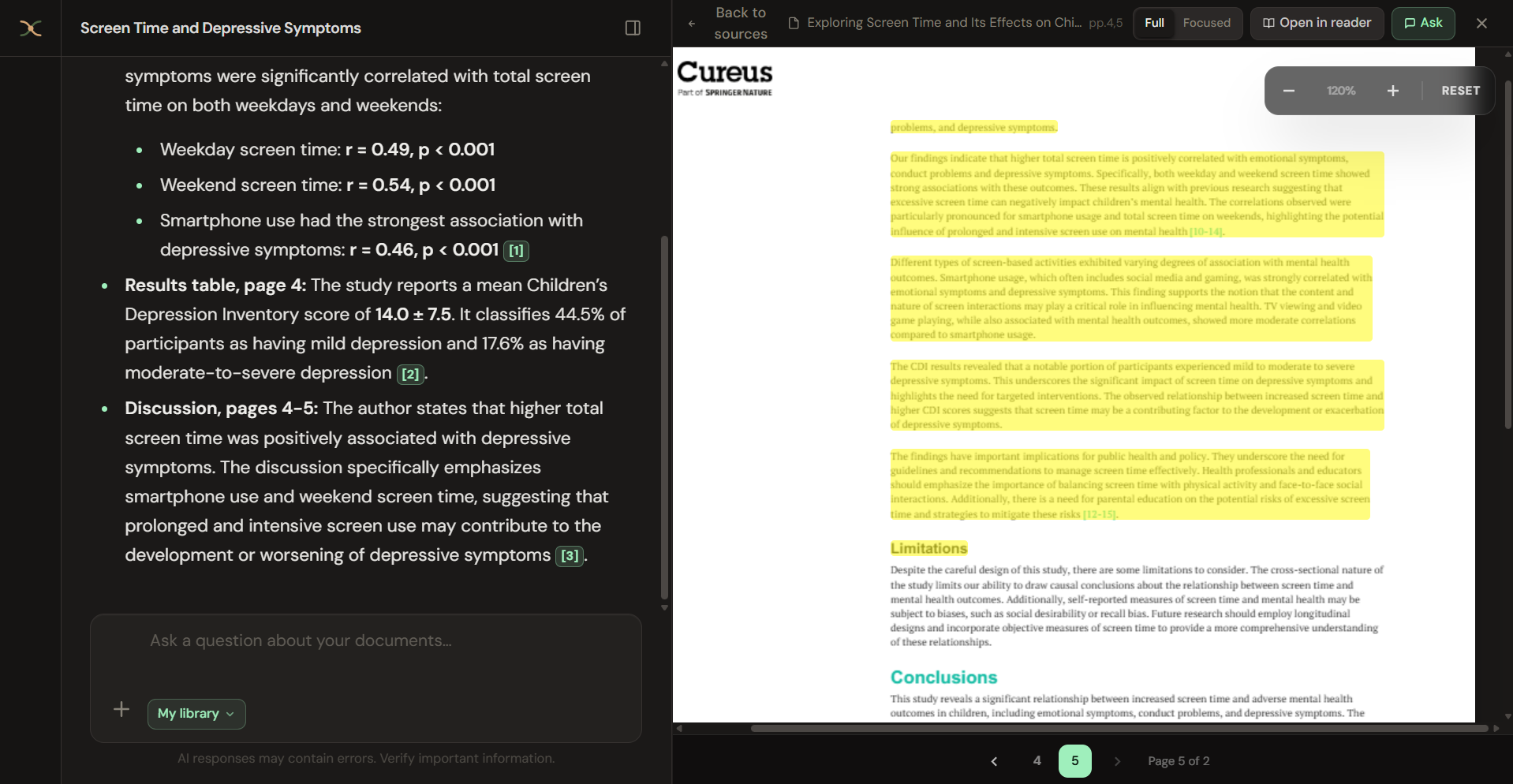
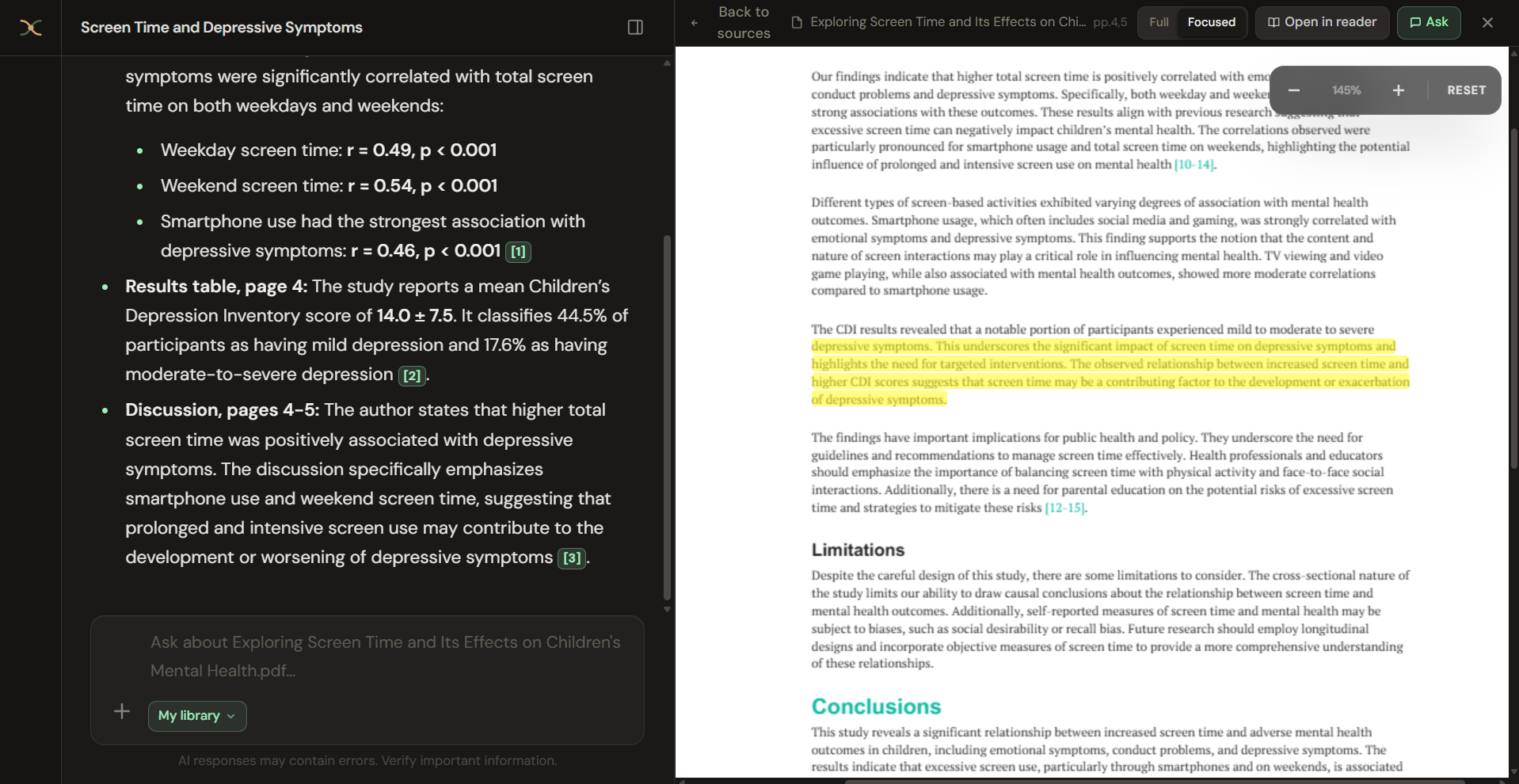
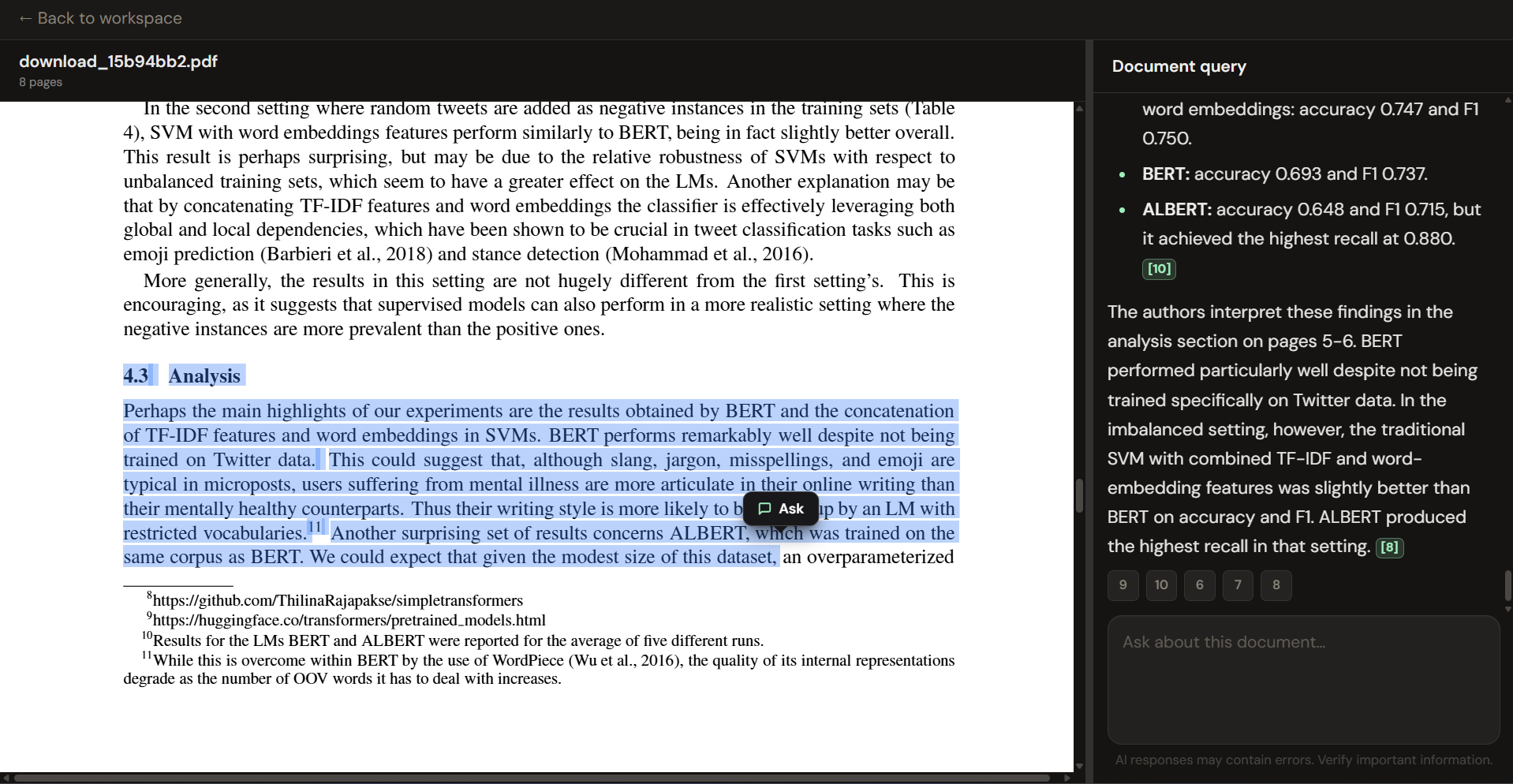
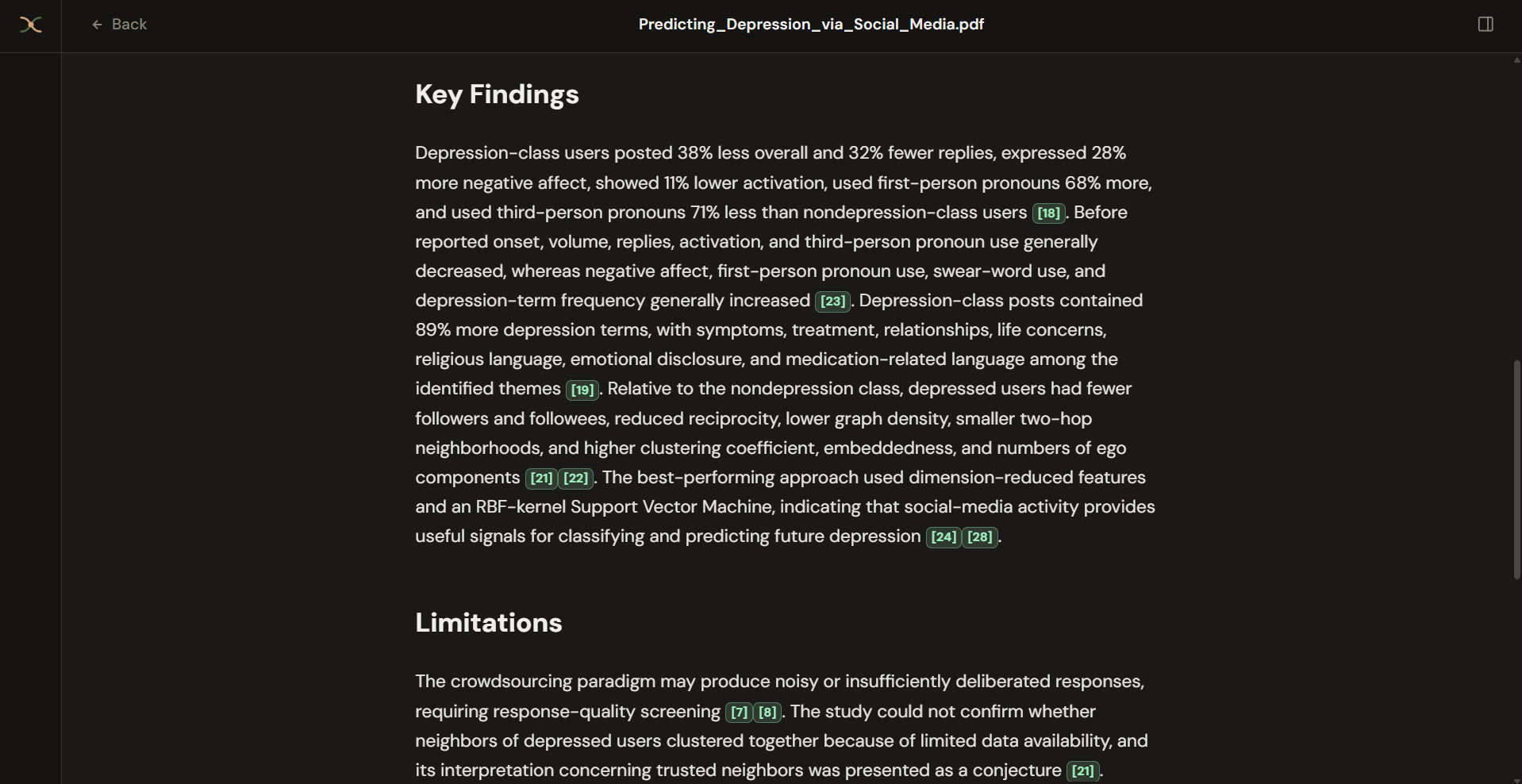
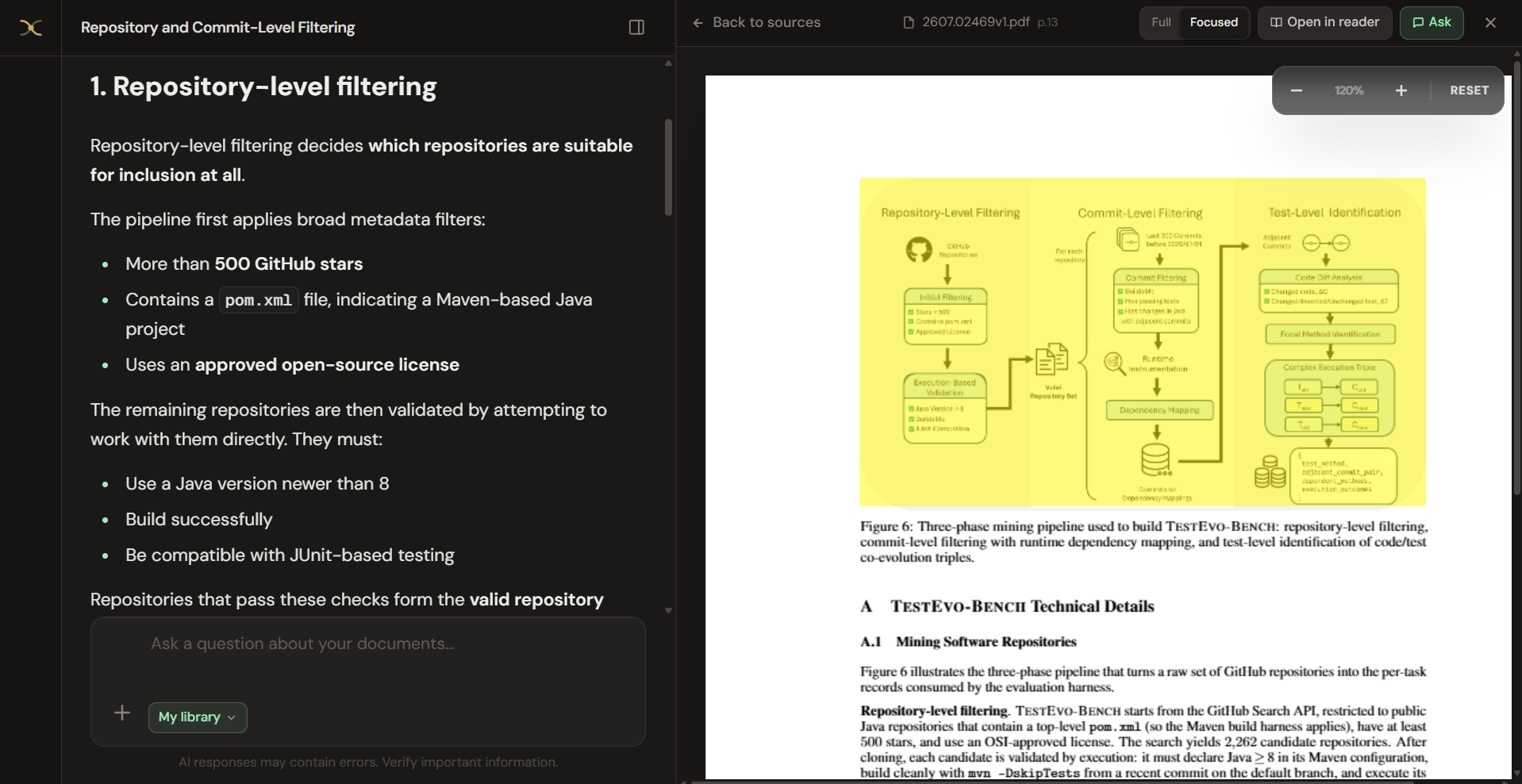
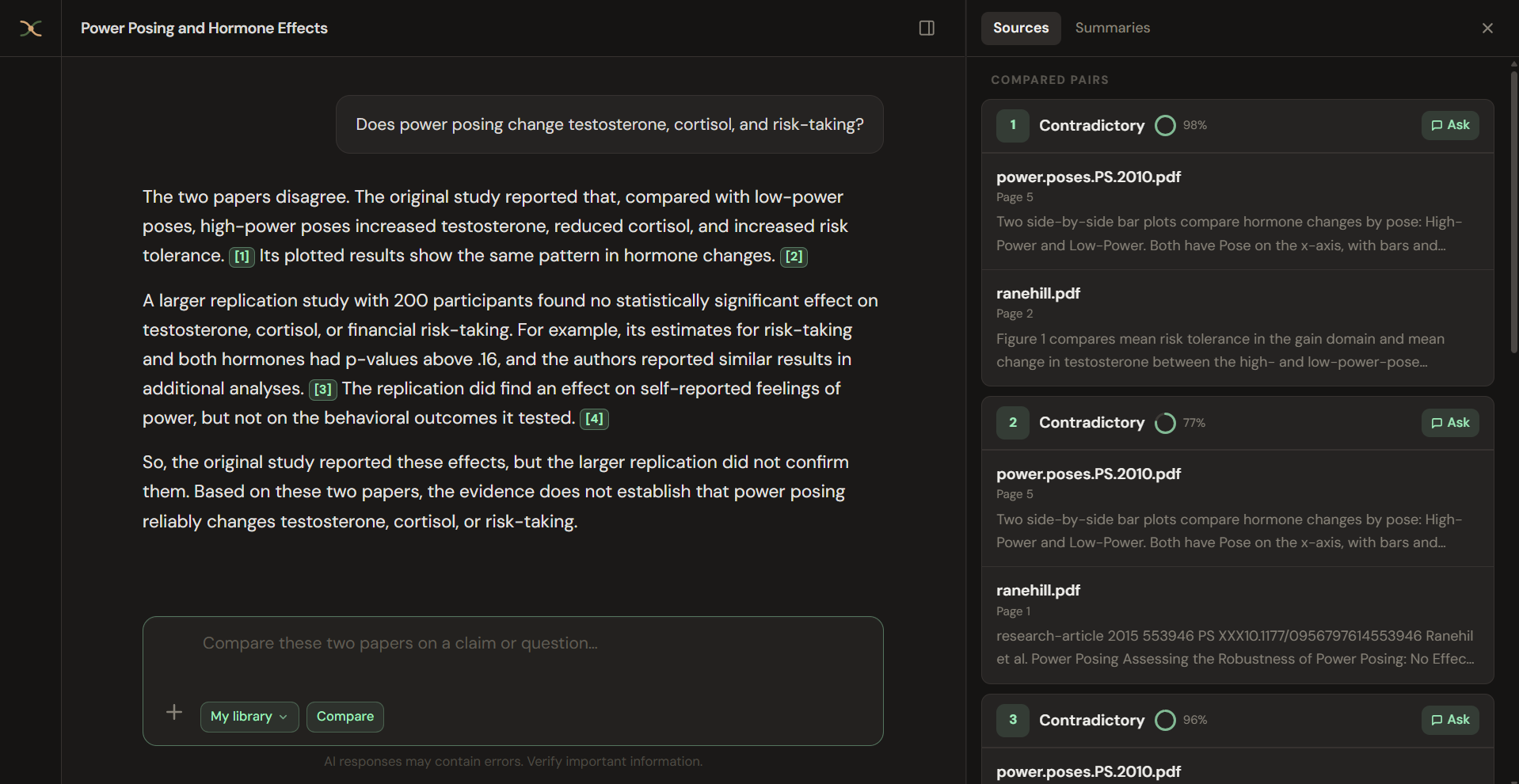
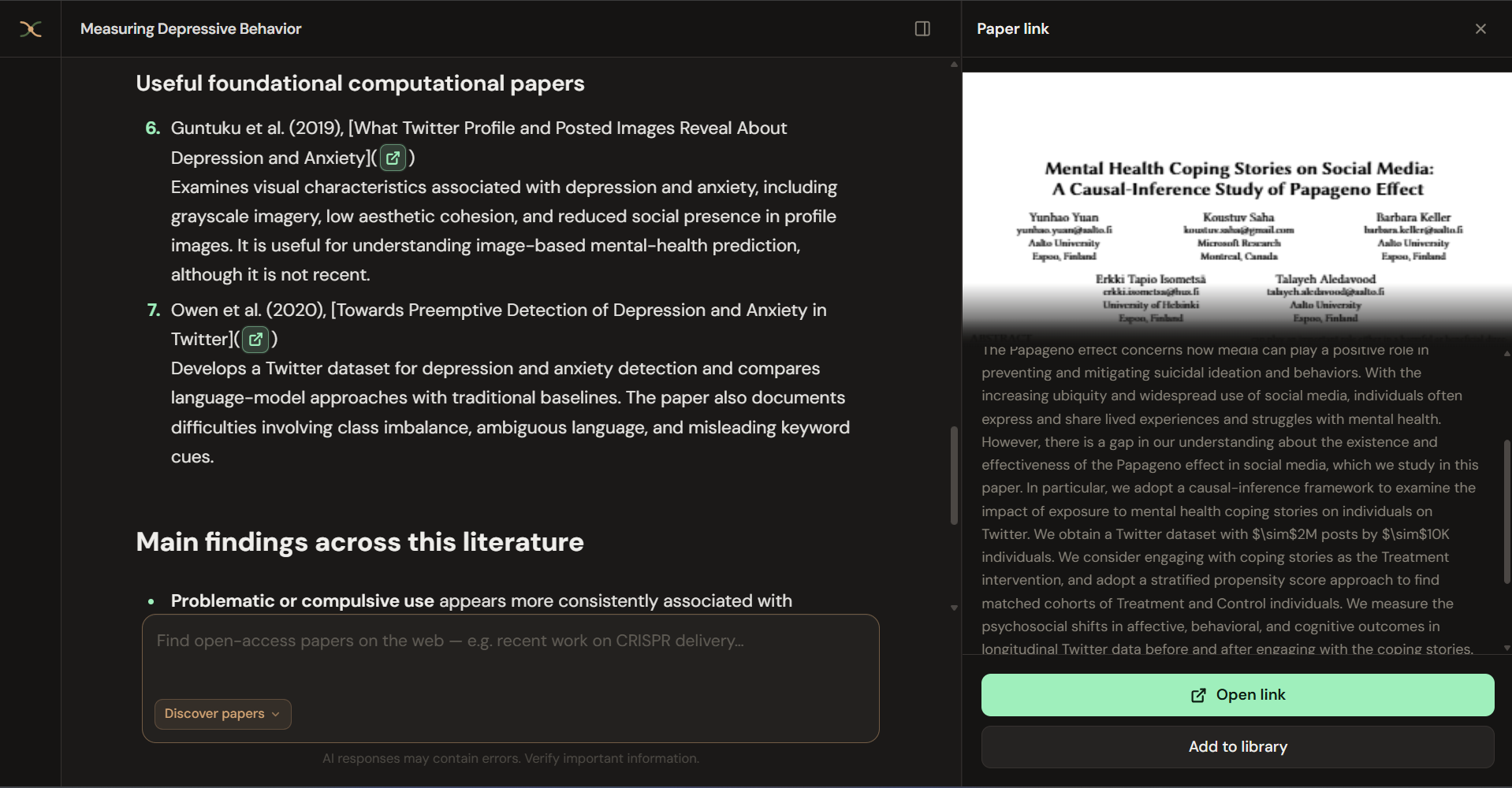
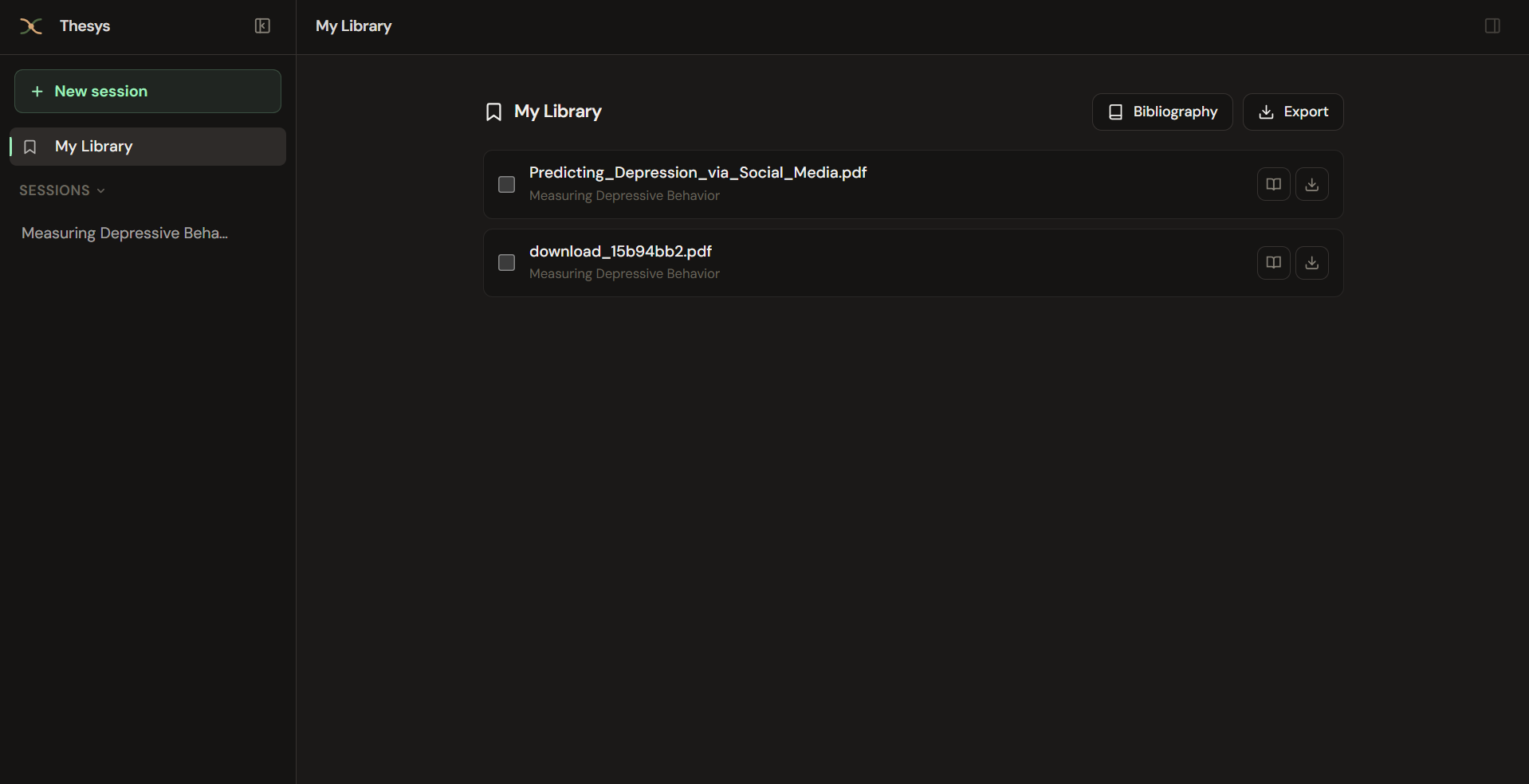
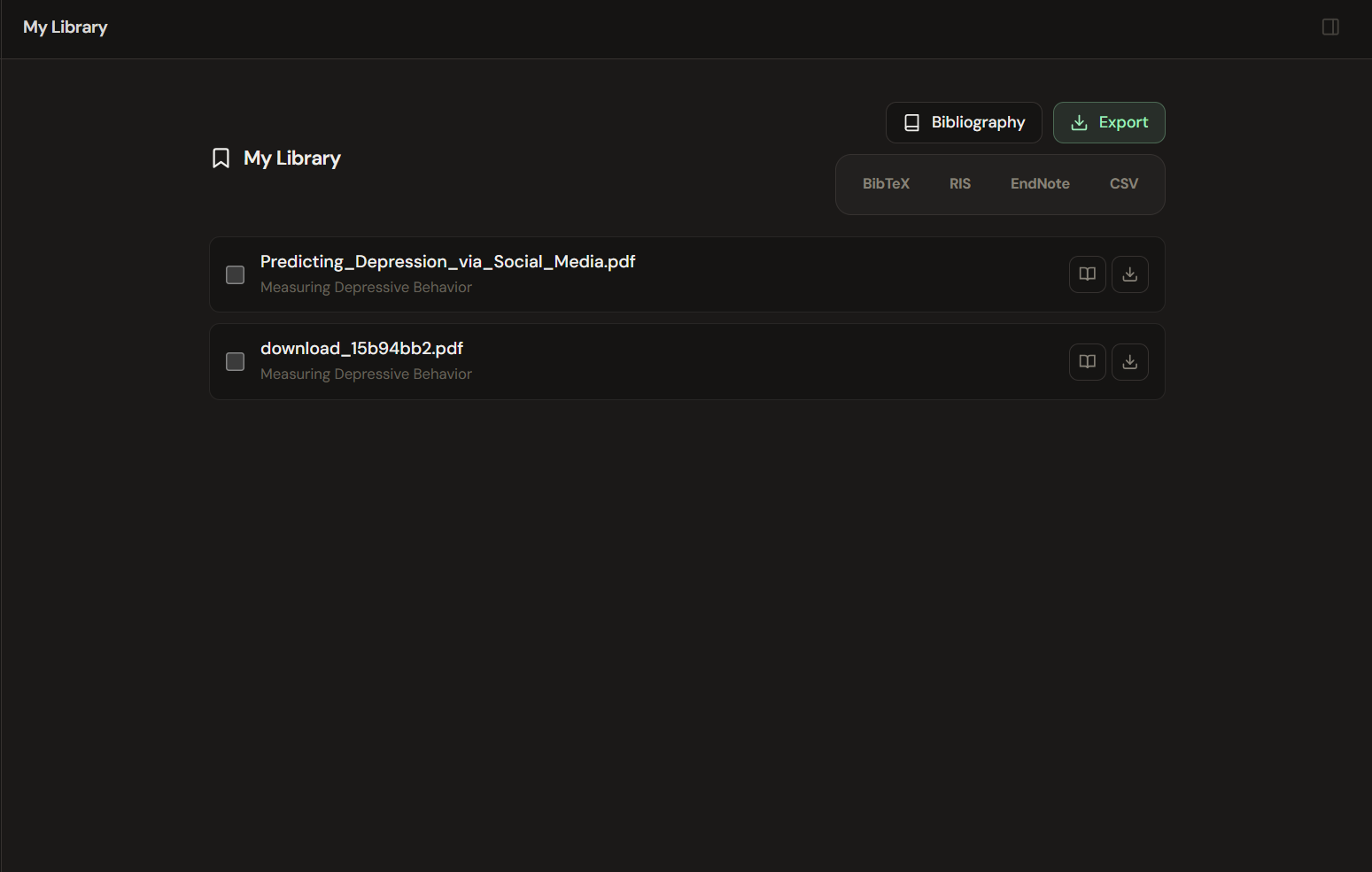
Thesys is a local-first research workspace for searching open-access academic papers from OpenAlex and arXiv, uploading PDFs, and chatting with documents using on-page highlights that jump to cited passages. It can contrast two papers on a claim using TypeSafe Jev and export citations in BibTeX, RIS, EndNote, or CSV. The stack runs locally with Docling for PDF ingestion, Chroma for vector storage, BGE embeddings and reranker, and OpenAI for chat. The frontend (React/Vite) serves on port 5000, the backend (FastAPI) on port 8000. Data persists in a Docker volume.
Should you self-host Thesys?
Thesys scores 41/100 on selfhost.directory (how scoring works) and ranks #5 of 5 in Research. It has 177 GitHub stars.
It shipped 5 stable releases in the past year. The latest, v0.4.0, came out on 23 September 2026. New versions land roughly every 3 days.
Setup is moderate: expect some configuration beyond a single command. It is AGPL-3.0-licensed and written mostly in Typescript.
Its closest alternative on selfhost.directory is gramps-web (66/100, 1 782 stars). It scores higher overall, so compare the two before you pick. See Thesys vs gramps-web side by side.
Features
- Chat over research papers with citations
- Citation export
- Data Persistence
- Document summaries
- Figure and diagram citations
- GPU acceleration support
- Library Management
- Local RAG pipeline
- OCR support for scanned PDFsDisabled by default (DO_OCR=false)
- On-PDF highlights (full and focused)
- Paper comparisonRequires TYPESAFE_API_KEY
- Paper search and discovery
- Reader Mode
Thesys README
More in Research
 VoyantServerVoyantServer is a self-hosted Java app running local Voyant Tools for text analysis, enabling offline work, privacy, and large-text handling.
 amiuniqueSelf-hosted browser fingerprinting research platform collecting device fingerprints to study web tracking. Built with Play Framework and MySQL.
 Deep Research Web UISelf-hosted AI agent generates cited reports via web searches, browsing real sources, and verifying evidence. Supports many AI providers and search APIs via Docker.
 eLabFTWSelf-hosted, open-source ELN and LIMS for research teams with experiment tracking, resource database, booking, and advanced permissions.
 ESMiraESMira is a self-hosted, open-source platform for running longitudinal ESM/EMA/AA studies with anonymous data collection, a web admin panel, and native Android/iOS apps.
 FeynmanSelf-hosted, open-source AI research agent for the terminal: literature reviews, deep-research briefs with citations, and paper audits, on any model provider.
 frekiSelf-hosted, open-source malware analysis platform with hash extraction, PE static analysis, YARA matching, VirusTotal queries, user accounts, comments and a REST API.
 gpt-researcherSelf-hosted, open-source deep research agent: a planner splits your question, parallel researchers scan 20+ web or local sources, and it writes a cited report.
 gramps-webSelf-hosted, open-source genealogy web app for building family trees collaboratively with Gramps Desktop sync, interactive charts, DNA tools, and AI assistant.
 gramps-web-apiSelf-hosted REST API for Gramps family trees with DNA analysis, AI assistant, and Gramps Desktop sync.
 Local Deep Research ~95% on SimpleQA (e.g. Qwen3.6-27B on a 3090). Supports all local and cloud LLMs (llama.cpp, Ollama, Google, ...). 10+ search engines - arXiv, PubMed, your private documents. Everything Local & Encrypted.
 Open Data CaptureOpen Data Capture is a self-hosted, open-source web platform for clinical questionnaires and interactive tasks, with hash-based patient IDs and multilingual support.
0 comments