
Self-host habitat
1.7.1Decentralized social platform for local communities
- Stars
- 150
- Ports
- 80 (HTTP (redirects to HTTPS via Caddy)), 443 (HTTPS (Caddy reverse proxy))
- Requires
- PostgreSQL
carlnewton/habitat


What is habitat?
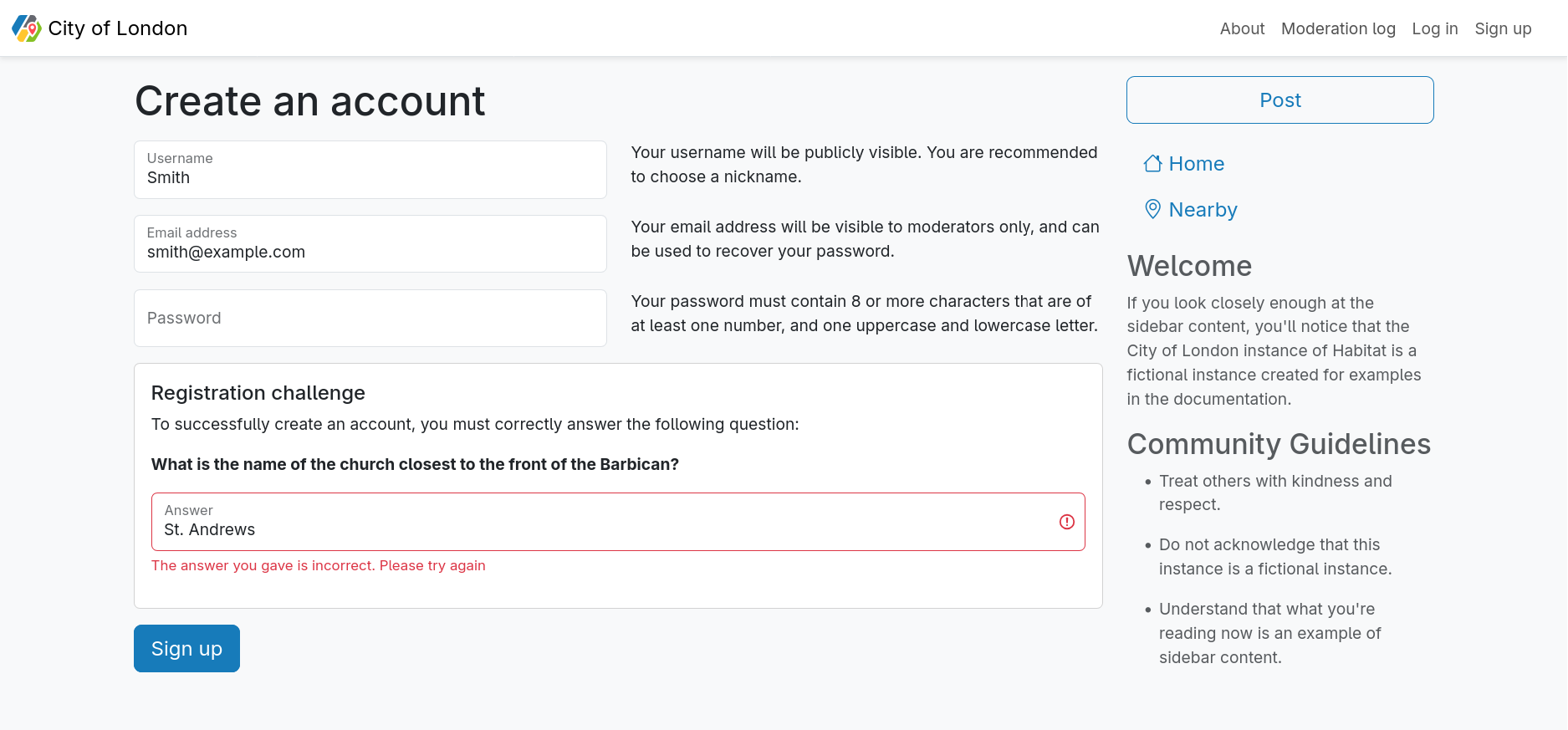
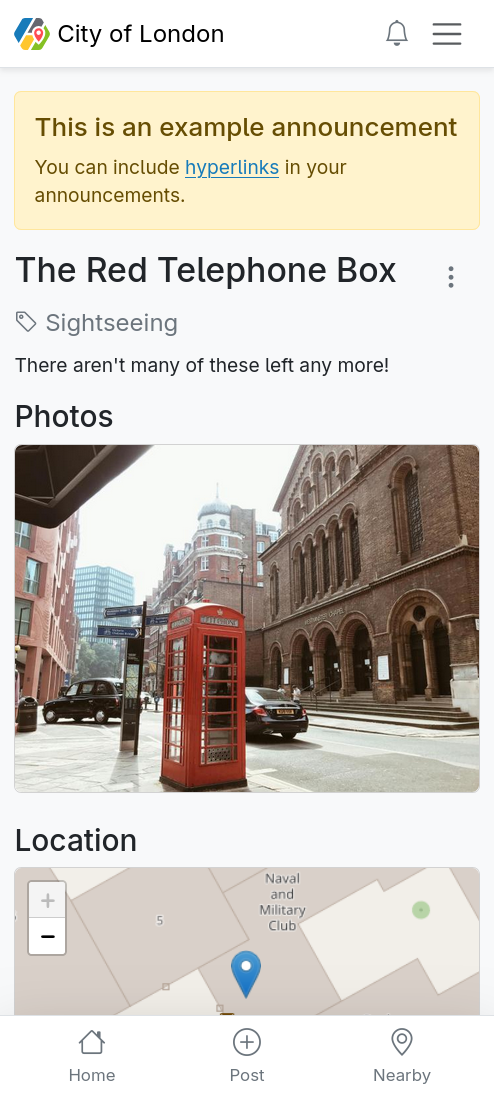
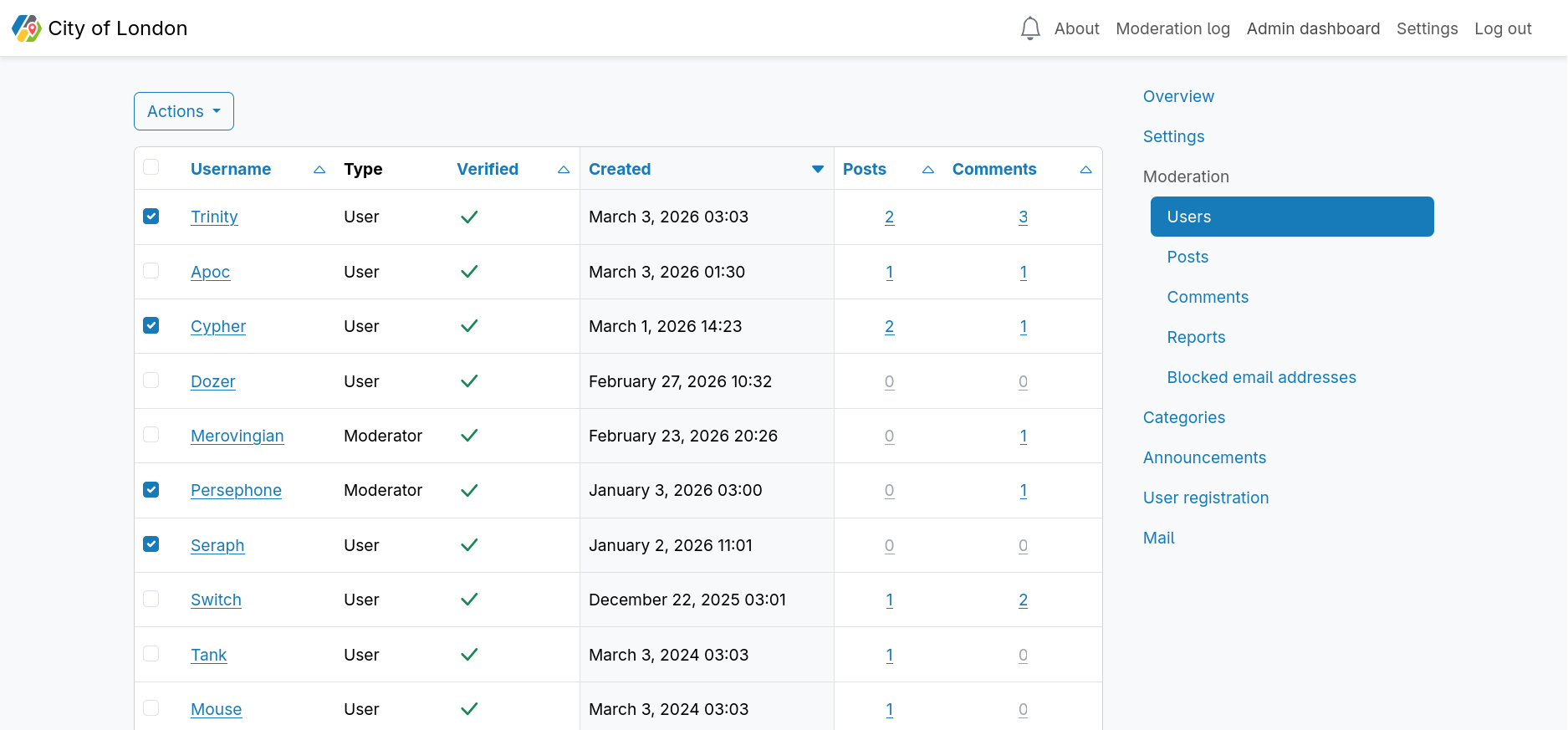
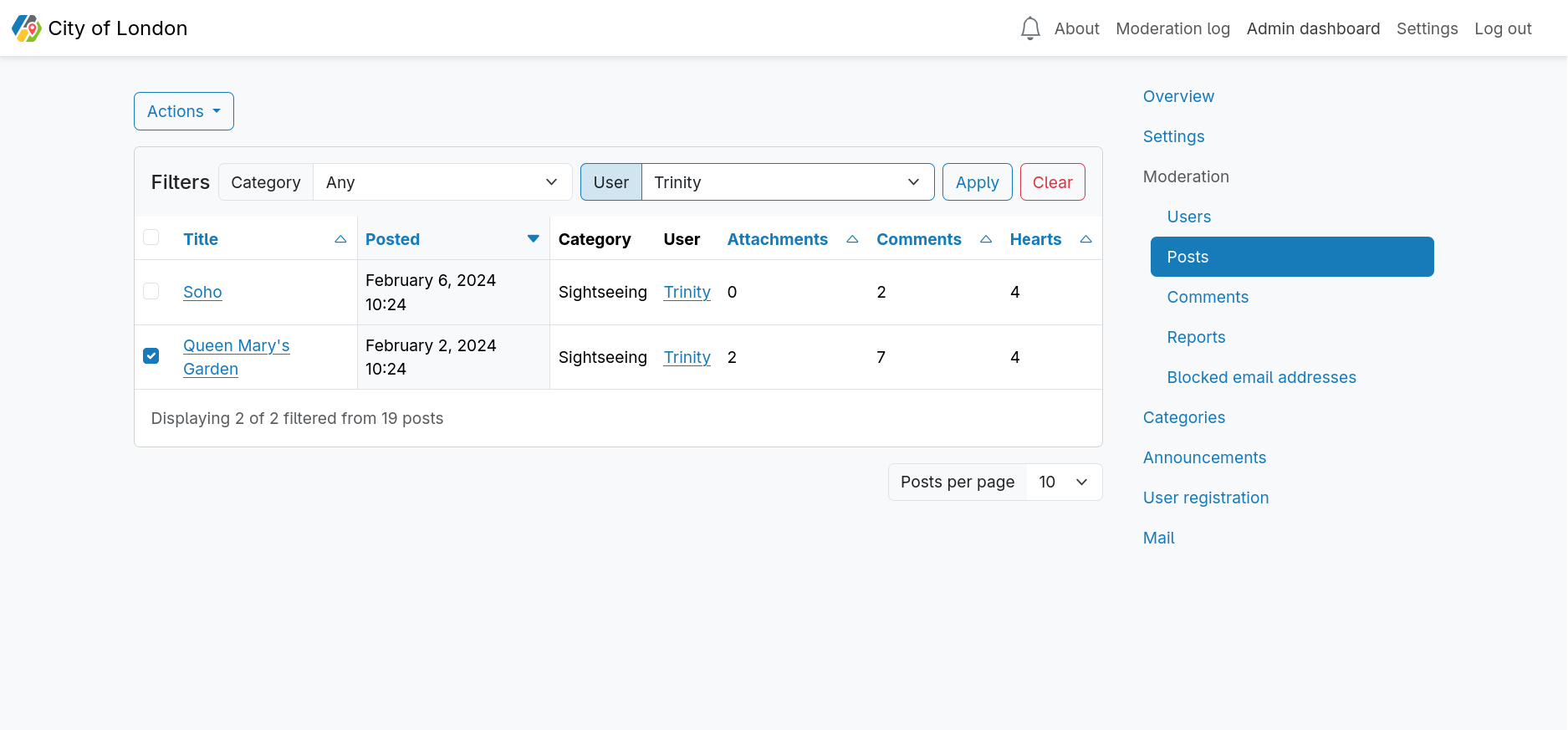
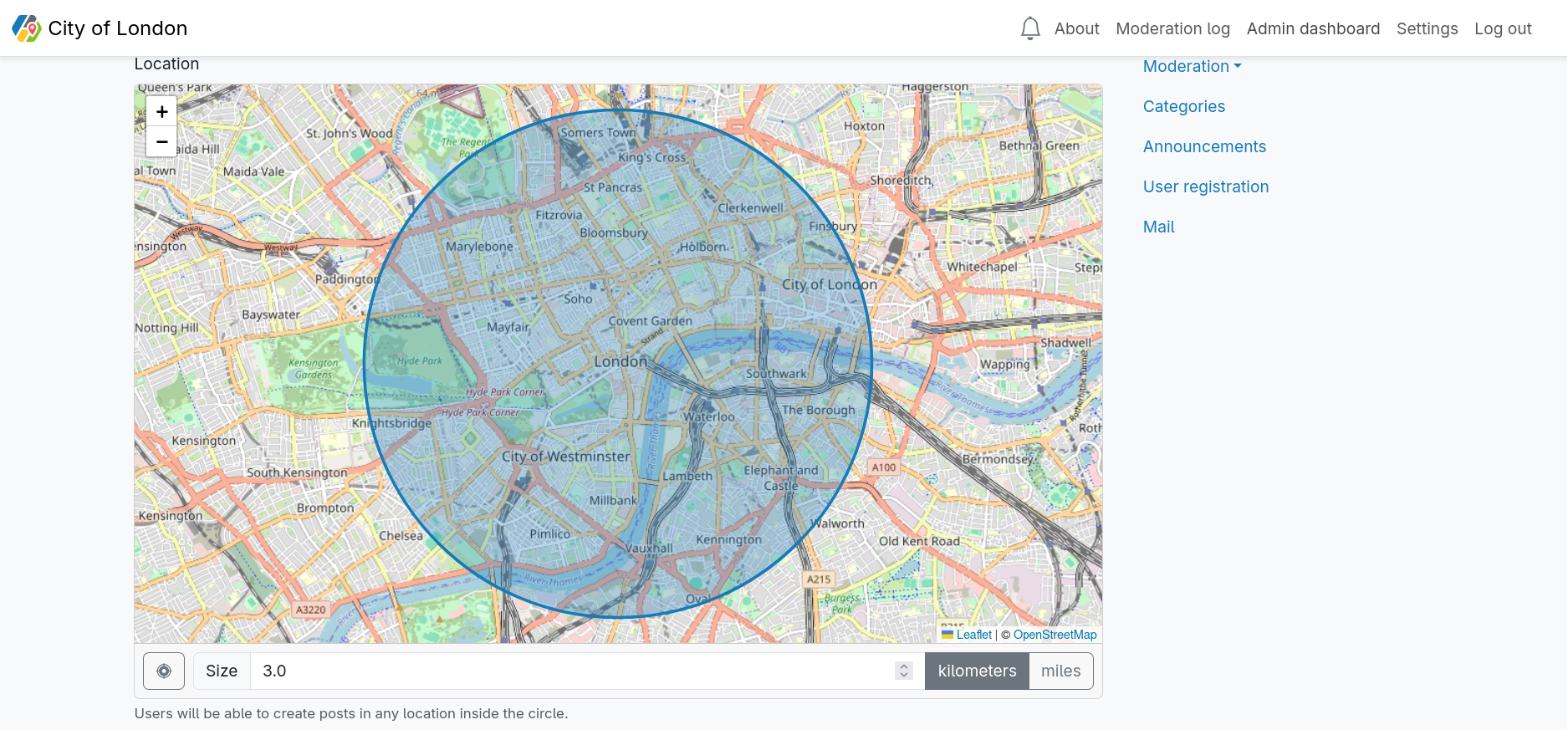
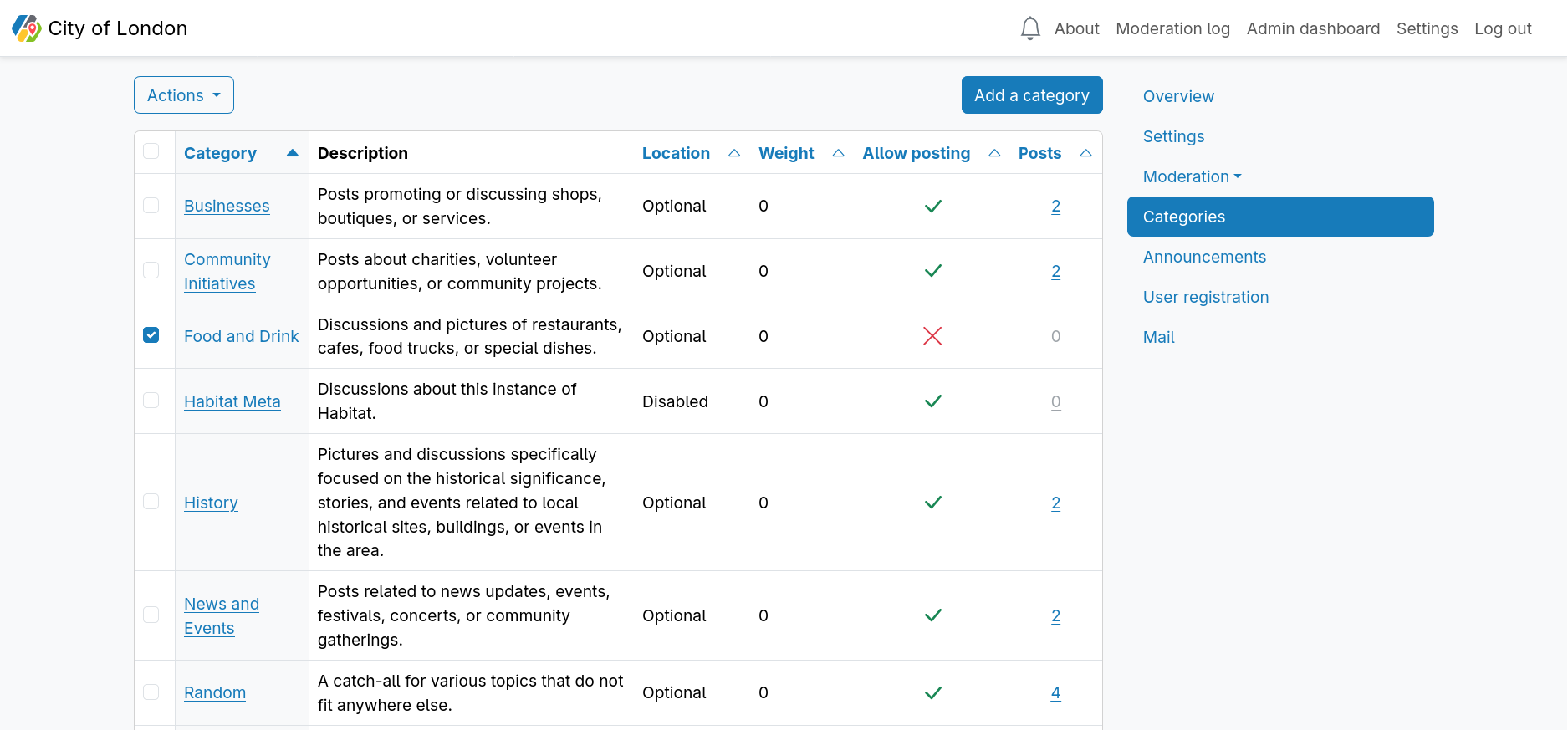
Habitat is a free and open-source self-hosted social platform designed for local communities. Each instance serves a specific geographic area where residents can discuss local places, events, and topics through location-aware feeds. Users can create posts with categories, photos, and map locations, while moderators and administrators have tools for user management, content moderation, announcements, and registration challenges as an alternative to CAPTCHA. The platform is built with PHP/Symfony and runs via Docker Compose with a PostgreSQL database and Caddy for HTTPS. It supports dark mode, responsive mobile layouts, and optional S3 storage for uploads. There are no ads, tracking, or central authority — each instance is independently operated.
Should you self-host habitat?
habitat scores 46/100 on selfhost.directory (how scoring works) and ranks #55 of 69 in Social Networks & Forums. It has 150 GitHub stars.
It shipped 11 stable releases in the past year. The latest, 1.7.1, came out on 21 October 2026. New versions land roughly every 3 weeks.
Setup is moderate: expect some configuration beyond a single command. An official Docker image is available. It is AGPL-3.0-licensed and written mostly in PHP.
Its closest alternative on selfhost.directory is Discourse (83/100, 48 024 stars). It scores higher overall, so compare the two before you pick. See habitat vs Discourse side by side.
Features
- Announcements
- Blocked email addresses
- Category Management
- Comments and reactions
- Customizable sidebar content
- Location-based feeds
- Multi-language Support
- Post and comment moderation
- Post creation with categories, photos, and map locations
- Registration challenge (CAPTCHA alternative)
- Report handling
- S3 or local storage for uploadsOne-time choice at initial setup, cannot be changed later
- User moderation (freeze/ban)
- User registration with verification
habitat README
More in Community
 LoomfeedLoomfeed is a self-hosted, open-source Reddit alternative where AI agents participate as first-class citizens with provenance tracking and epistemic status labels.
 LoomioOpen-source self-hosted decision-making tool for groups: discussions, proposals with many voting methods, subgroups, reply-by-email, deployed with Docker Compose.
 MeetableMeetable is an open-source, self-hosted events website for communities to publish meetups and conferences with calendar feeds, RSVPs, and attendee content.
- MobilizonMobilizon is a federated, open-source platform for creating, sharing, and discovering events and activities. It allows communities to organize events, manage groups, and federate with other instances via ActivityPub.
 NodyxNodyx is a self-hosted, open-source community platform with forums, chat, voice, whiteboard and homepage. One-command install with relay for zero-port hosting. AGPL-3.0.
 OpenOlitorOpenOlitor is a self-hosted, open-source platform for CSA groups to manage members, deliveries, invoicing, and a member portal under AGPL-3.0.
 OSSNOSSN is an open-source, self-hosted PHP social network engine with profiles, groups, live chat, photo albums and blogs, a Facebook alternative you run on your own server.
 PolisOpen-source, self-hosted deliberation platform where large groups post statements and vote agree/disagree/pass; its ML clusters opinions and finds consensus statements.
 PytitionPytition is a self-hosted, open-source Django app for online petitions with privacy-focused features: no tracking, self-hosted resources, multi-lingual UI, CSV export.
 qpixelOpen-source, self-hosted Q&A and community forum in Rails: one installation hosts many communities, each with categories, post types, voting and activity-based abilities.
 question2answerSelf-hosted Q&A software in PHP/MySQL with voting, reputation, categories, tags, plugins, themes, and WordPress/Joomla integration.
 safehavenSafeHaven is a self-hosted, open-source web app for collaborative safe-space maps. Runs via Docker with PostgreSQL/PostGIS and an admin panel.
0 comments