
Self-host GameVault
17.1.0Self-hosted gaming platform for DRM-free game libraries
- Stars
- 328
- Ports
- 8080 (HTTP server and Web UI), 8443 (HTTPS server (optional))
phalcode/gamevault-backend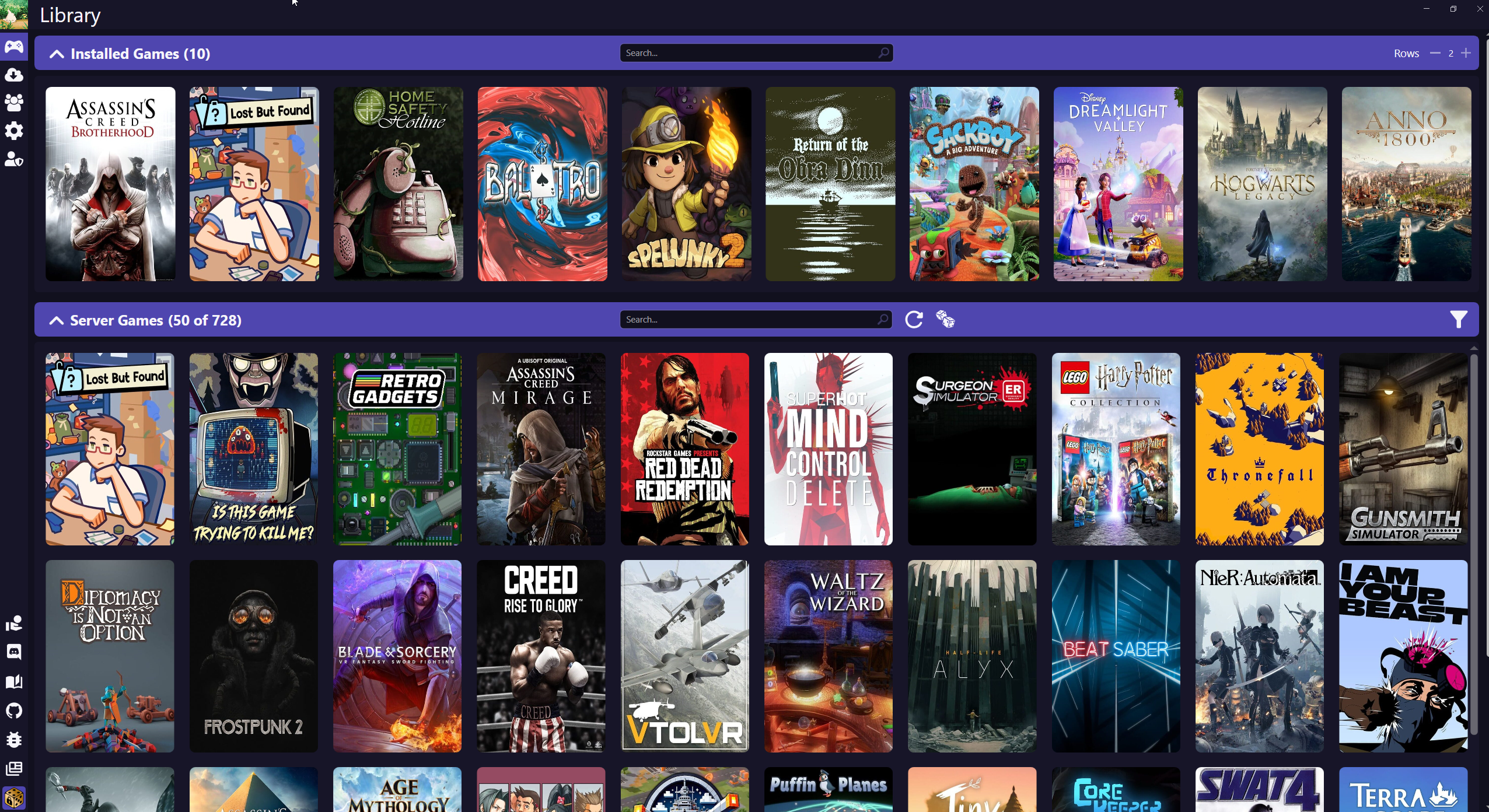

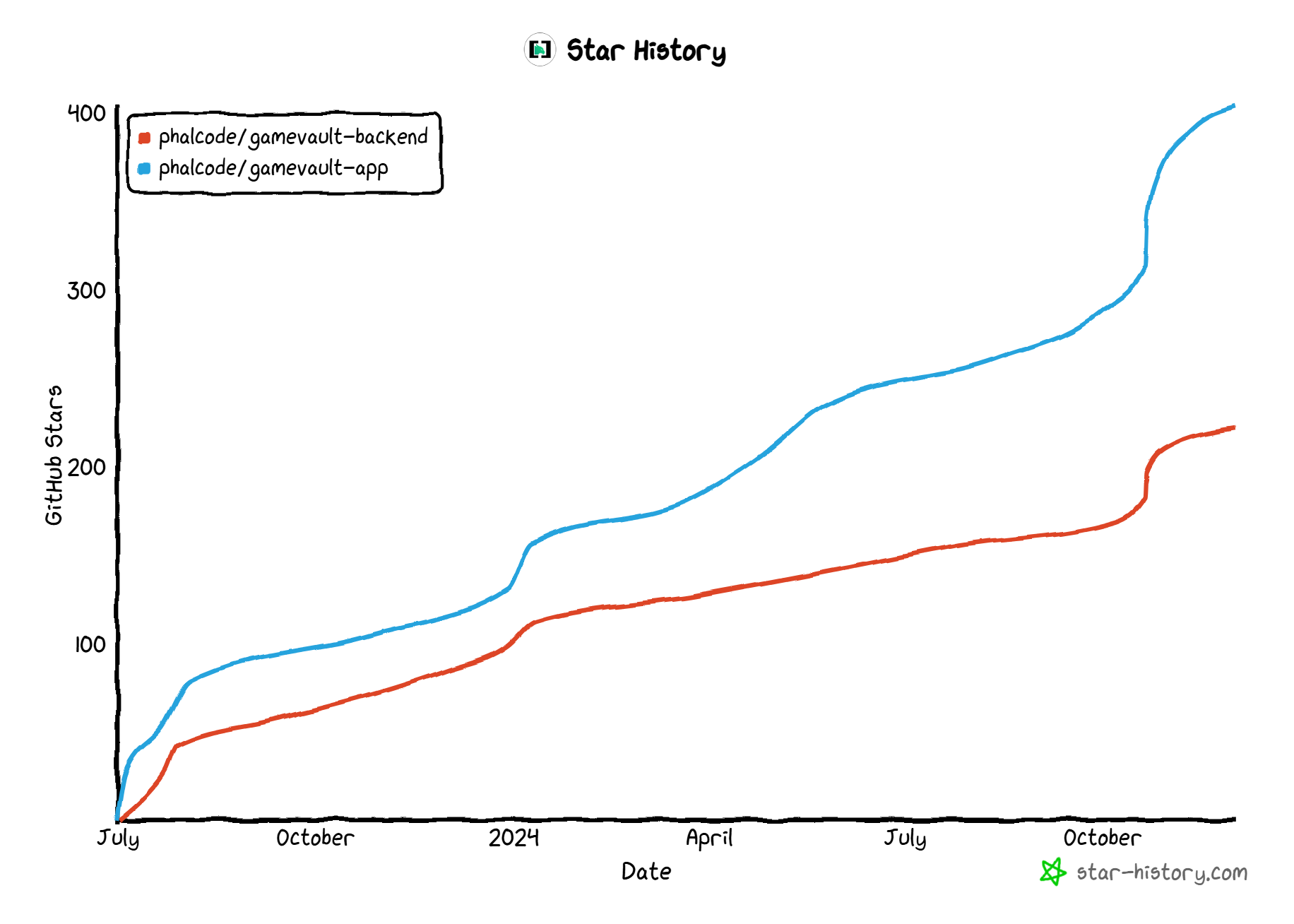
What is GameVault?
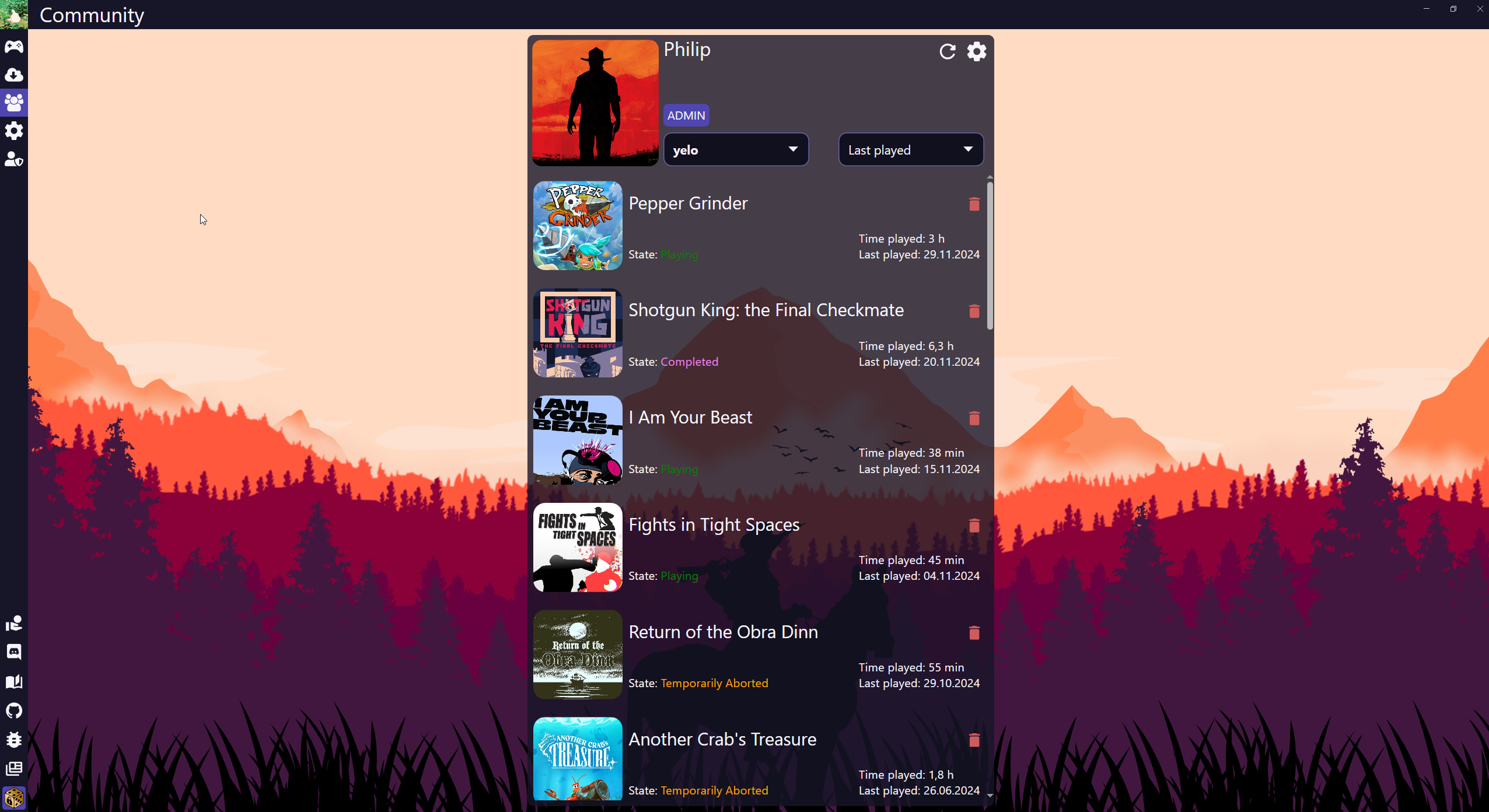
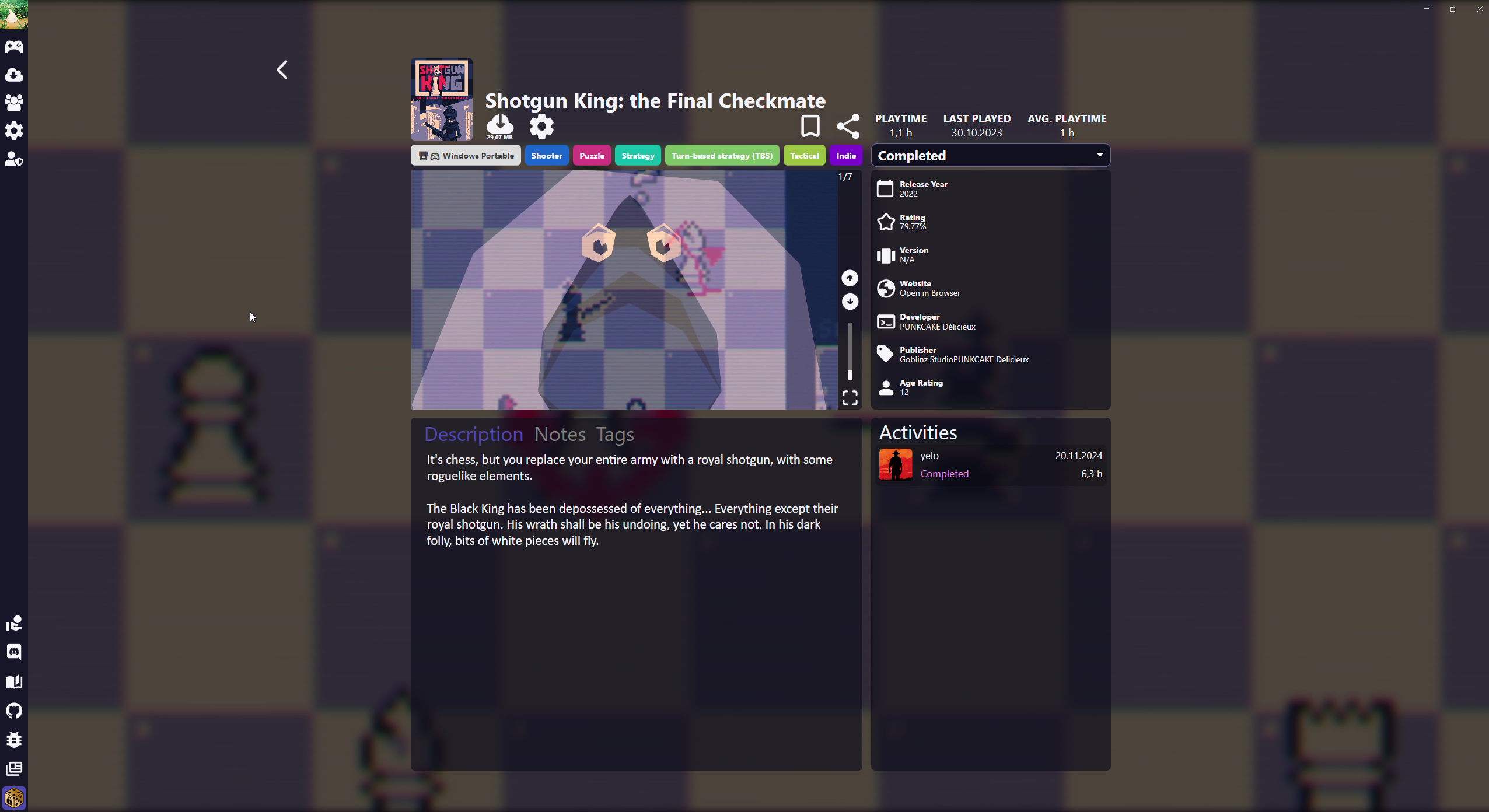
GameVault Backend is the server component of a gaming platform you host yourself for DRM-free titles. It scans your storage for game files, pulls cover art and metadata from IGDB, and serves everything through a REST API and WebSockets. Players access their library via a built-in web interface or native desktop clients (Windows, Linux, macOS). The server handles multiple users with role-based permissions, parental controls, playtime statistics, and a plugin system. Deployment options include Docker Compose (with PostgreSQL or SQLite), CapRover, TrueNAS, UNRAID, Synology, or a standalone binary. The code is source-available under CC BY-NC-SA 4.0, not open source, and an optional GameVault+ subscription unlocks cloud saves and Steam/Discord integrations.
Should you self-host GameVault?
GameVault scores 49/100 on selfhost.directory (how scoring works) and ranks #10 of 14 in Gaming. It has 328 GitHub stars.
It shipped 6 stable releases in the past year. The latest, 17.1.0, came out on 27 October 2026. New versions land roughly every 2 months.
Setup is moderate: expect some configuration beyond a single command. An official Docker image is available. It is Other-licensed and written mostly in Typescript.
Its closest alternative on selfhost.directory is Retrom (58/100, 2 100 stars). It scores higher overall, so compare the two before you pick. See GameVault vs Retrom side by side.
Features
- Automatic game indexing
- Database backup & restore
- Game save file syncRequires GameVault+ subscription
- Metadata Enrichment
- Multi-user support
- OAuth2/OIDC Authentication
- Parental Controls
- Playtime Tracking
- Plugin framework
- REST API
- Websocket Support
- Web UI
GameVault README
FAQ
Is this related to gambling apps?
No, GameVault is a gaming utility with no affiliation to gambling platforms sharing a similar name.
What is your stance on piracy?
GameVault is built for legally owned DRM-free content and does not endorse or support piracy.
Does GameVault support game streaming?
No, GameVault focuses on library management and file distribution. Games run locally on your hardware for best performance.
Are there native Mac or Linux clients?
Currently there is a native Windows client and a responsive Web UI. Linux and Mac users can use the Web UI or community compatibility layers.
Is GameVault free to use?
Yes, the core GameVault ecosystem is and will always be free. GameVault+ is an optional premium subscription for advanced features.
Does it support Steam or Epic Games?
GameVault is built for DRM-free content like GOG or Humble Bundle games. Most major storefronts use proprietary DRM incompatible with independent hosting.
Is GameVault a multi-platform launcher?
No, GameVault is a self-hosted ecosystem for hosting and managing your own DRM-free game files, not a launcher that aggregates existing stores.
More in Gaming
 gamevault-appFrontend for the self-hosted gaming platform for drm-free games
 GameyfinSelf-hosted, open-source game library manager that auto-fetches metadata and covers, with plugins and OIDC/OAuth2 SSO.
 HypersomniaFree, open-source multiplayer top-down shooter in C++ with bomb defusal, gun game, map editor, deterministic networking, and self-hosted server via Docker or AppImage.
 Intro QuizIntro Quiz is a self-hosted, open-source music quiz that plays 5-second clips from your Navidrome library to a cast TV or speaker while players answer on their phones.
 ipxboxSelf-hosted, open-source DOSBox IPX server in Go with TAP bridging, PPTP for Windows 9x, and Quake proxy for retro multiplayer gaming.
 Jinteki.netSelf-hosted, open-source web implementation of the Netrunner LCG with deck building, multiplayer matches, and card database.
 LancacheSelf-hosted, open-source Docker container that caches game downloads from Steam, Origin, Battle.net, and other CDNs to save bandwidth on local networks.
 LANCommanderAn open-source platform to host your own game library locally with a web dashboard, desktop client, and scripting — no internet needed.
 LuantiLuanti is an open-source voxel creation platform with self-hosted multiplayer servers, Lua modding, and a built-in browser for games, mods and texture packs on ContentDB.
 monariumSelf-hosted, offline-first Pokédex generator and tracker for all mainline Pokémon games with shiny hunting, cross-device sync, 11 languages, and PWA support.
 MTA:SASelf-hosted, open-source game engine mod adding online multiplayer to GTA: San Andreas with Lua scripting and a dedicated server you can run on Linux or Windows.
 MumbleOpen-source, low-latency VoIP software: run the mumble-server self-hosted via Docker or binaries, with positional audio, game overlay, and Ice RPC admin.
0 comments