
Self-host Tile38
1.38.0In-memory geospatial database with realtime geofencing
docker run -p 9851:9851 tile38/tile38- Stars
- 9 755
- Port
- 9851 (Main Tile38 server endpoint (RESP, HTTP, WebSockets, telnet))
tile38/tile38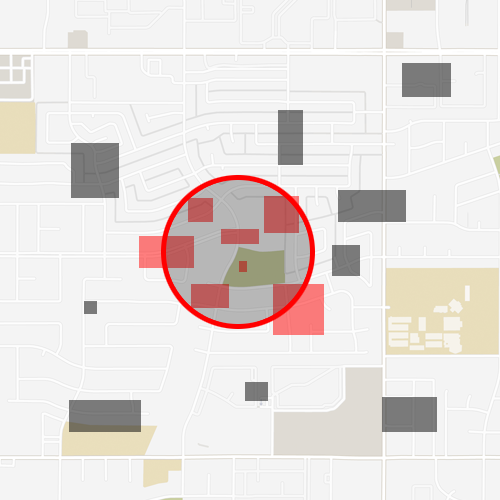
What is Tile38?
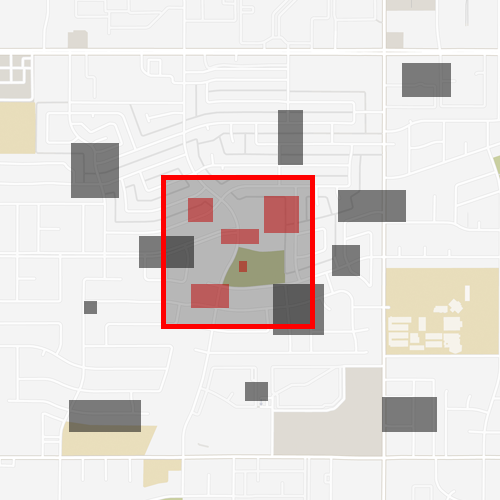
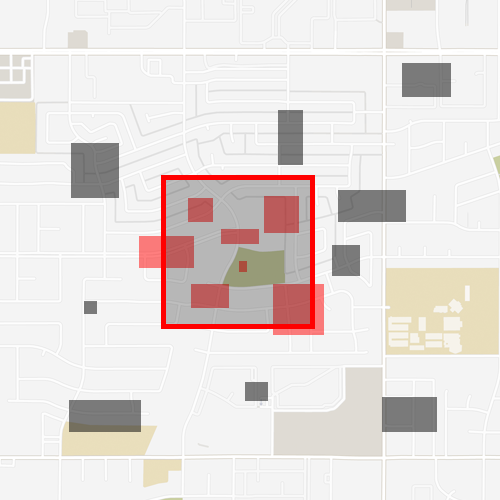
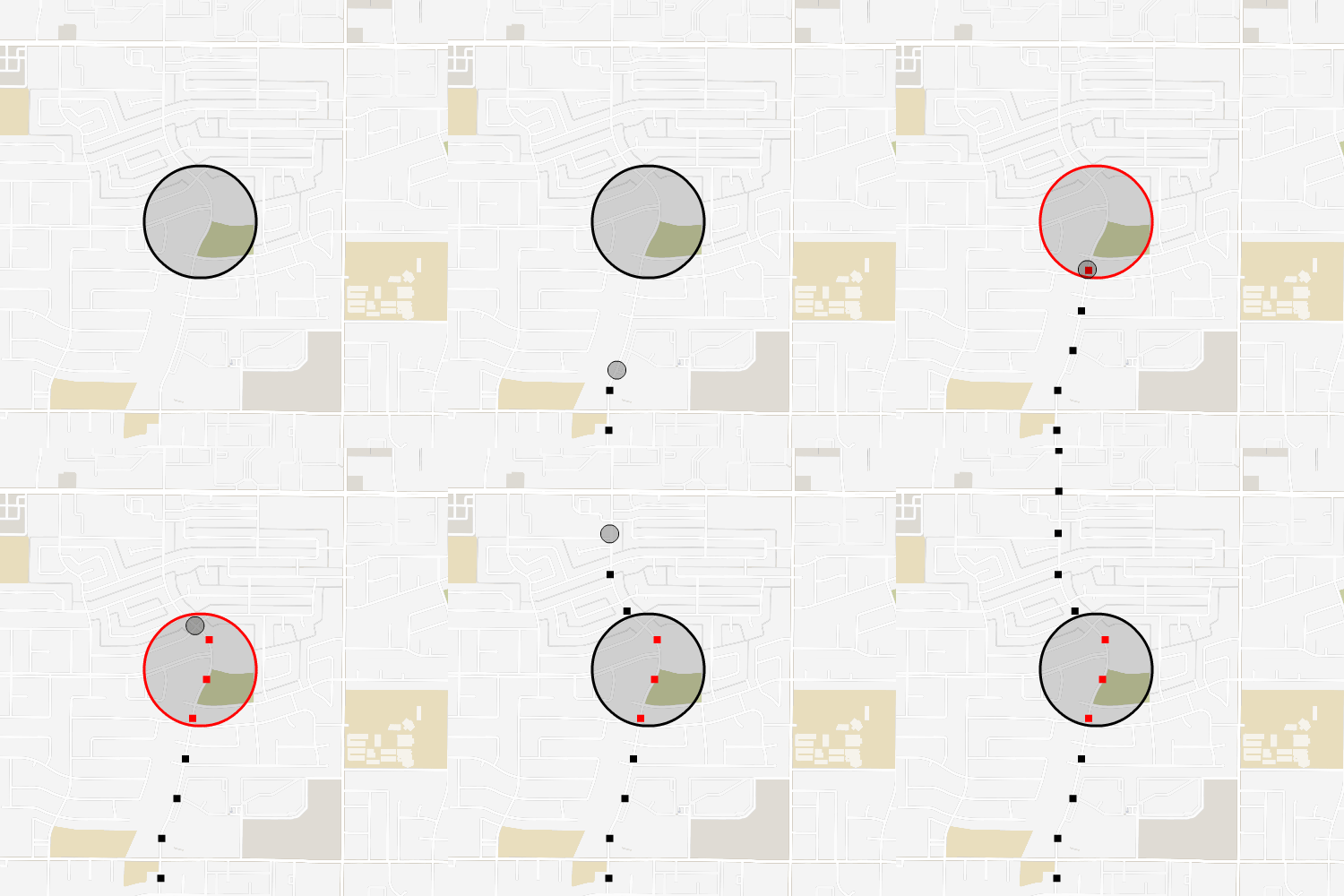
Tile38 is an MIT-licensed database server for location data: it keeps objects in memory, indexes them spatially, and reacts to movement in realtime. Stored shapes include lat/lon points, bounding boxes, geohashes, GeoJSON, quadkeys and XYZ tiles, and a collection can be queried with NEARBY, WITHIN or INTERSECTS, optionally narrowed by numeric fields, ID glob patterns, or regex matching. Its signature job is geofencing: add the FENCE keyword to a search and enter, exit, inside, outside or cross events stream back over a kept-open connection, a pub/sub channel, or an outbound webhook to HTTP, gRPC, Redis, Kafka, RabbitMQ, NATS, MQTT, SQS, Azure Event Hubs or Google Pub/Sub. Prometheus metrics can be exported natively. Clients speak the Redis RESP protocol plus plain HTTP, WebSockets and telnet, and tile38-cli ships as a shell; leader/follower replication and append-only-file persistence cover durability and scale-out. Self-hosting means one Go binary or the tile38/tile38 container with no external services, listening on port 9851 by default.
Tile38 alternatives
 Traefik Log DashboardSelf-hosted, open-source dashboard for analyzing Traefik logs with IP geolocation, status codes, service metrics, and 3D globe visualization. Runs via Docker Compose.CompareTraefik Log Dashboard with Tile38
 TileServer GLOpen-source, self-hosted map tile server rendering vector and raster tiles from GL styles with MapLibre GL Native, for MapLibre GL JS, Leaflet, OpenLayers and WMTS.CompareTileServer GL with Tile38
 GeoLensGeoLens is an open-source, self-hosted geospatial catalog and map builder for teams to search, style, and serve spatial data over OGC APIs.CompareGeoLens with Tile38
 GeoMetrikksGeoMetrikks is a self-hosted, open-source service that tails reverse proxy logs, performs GeoLite2 lookups, and displays requests on a live MapLibre map with analytics.CompareGeoMetrikks with Tile38
 gtsdbGTSDB is a self-hosted, open-source time-series database in Go using WAL-first architecture for sub-millisecond reads and 233x faster writes than InfluxDB.Comparegtsdb with Tile38
 memgraphSelf-hosted, open-source in-memory graph database with Cypher, vector indexes and the MAGE algorithm library for GraphRAG and real-time graph analytics.Comparememgraph with Tile38
 openstreetmap-tile-serverSelf-hosted OSM tile server in Docker: imports .osm.pbf, renders tiles via renderd/mod_tile, serves via Apache, optional auto-updates from OSM replication.Compareopenstreetmap-tile-server with Tile38
 homarr-iframesSelf-hosted Go API generating embeddable iFrames for 17+ services like Linkwarden, Vikunja, Overseerr, Sonarr, Radarr, Uptime Kuma — works in any dashboard.Comparehomarr-iframes with Tile38
Should you self-host Tile38?
Tile38 scores 66/100 on selfhost.directory (how scoring works) and ranks #2 of 8 in Geospatial. It has 9 755 GitHub stars, +17 in the last 30 days.
It shipped 2 stable releases in the past year. The latest, 1.38.0, came out on 9 June 2026. New versions land roughly every 5 months.
Setup is easy: most people get it running in one sitting. An official Docker image is available. It is MIT-licensed and written mostly in Go.
Its closest alternative on selfhost.directory is QGIS (80/100, 14 797 stars). It scores higher overall, so compare the two before you pick. See Tile38 vs QGIS side by side.
Features
- Command Line Interface
- Field and ID filtering in searches
- In-memory store with on-disk persistence
- Leader / follower replication
- Multiple geospatial object types
- Password-protected access
- Prometheus metrics export
- Pub/sub channels
- Real-time geofencing
- Redis-compatible RESP protocol
- Roaming geofences
- Spatial search (Nearby / Within / Intersects)
- Webhook Notifications
Tile38 README


More in Geospatial
- TileServer GLOpen-source, self-hosted map tile server rendering vector and raster tiles from GL styles with MapLibre GL Native, for MapLibre GL JS, Leaflet, OpenLayers and WMTS.
 ValhallaValhalla is a self-hosted, open-source routing engine for OpenStreetMap with turn-by-turn navigation, isochrones, matrix computation, map matching, and tour optimization.
 carto-selfhosted-helmCARTO Self-Hosted is a commercial geospatial analytics platform deployed on Kubernetes via Helm, keeping sensitive data within your network for compliance and security.
 colota-forwarderA self-hosted relay that takes GPS locations from Colota or OwnTracks apps and distributes them to multiple tracking services, converting formats automatically.
 datahubSelf-hosted open-source GIS for harmonizing and exploring spatiotemporal data across health, demographic, and environmental domains with interactive dashboard and API.
 docker-postgisOfficial Docker images for PostgreSQL with PostGIS spatial extensions. Debian and Alpine variants for PostgreSQL 14-18 with PostGIS 3.6. Self-hosted, open-source.
- GeoLensGeoLens is an open-source, self-hosted geospatial catalog and map builder for teams to search, style, and serve spatial data over OGC APIs.
 GeoServerSelf-hosted, open-source Java server that publishes and edits geospatial data through OGC standards such as WMS, WFS, WCS and WMTS, from Shapefile to PostGIS.
- GoGoCartoSelf-hosted, open-source GoGoCarto lets teams publish collaborative geo maps with their own categories and moderation rules, or run a multi-instance subdomain farm.
 GraphHopperGraphHopper is a self-hosted, open-source OpenStreetMap routing engine with A-to-B routing, isochrones, map matching, and GTFS transit. Runs as Java server or library.
 gratis-gisGratisGIS is a self-hosted, open-source GIS portal replacing ArcGIS Online seats with PostGIS-backed web maps, offline field PWA, app building, and QGIS integration.
 Martin Tile ServerAn open-source, self-hosted vector tile server written in Rust that serves tiles from PostGIS, GeoJSON, PMTiles and MBTiles sources.
0 comments