
Self-host Crawlab
v0.6.3Distributed spider & crawler admin platform in any language
docker-compose up -d- Stars
- 12 294
- Ports
- 8080 (Web UI and API endpoint of the master node container (docker-compose maps 8080:8080)), 9666 (gRPC server address the master node listens on for worker-node communication)
- Requires
- MongoDB
crawlabteam/crawlab

What is Crawlab?
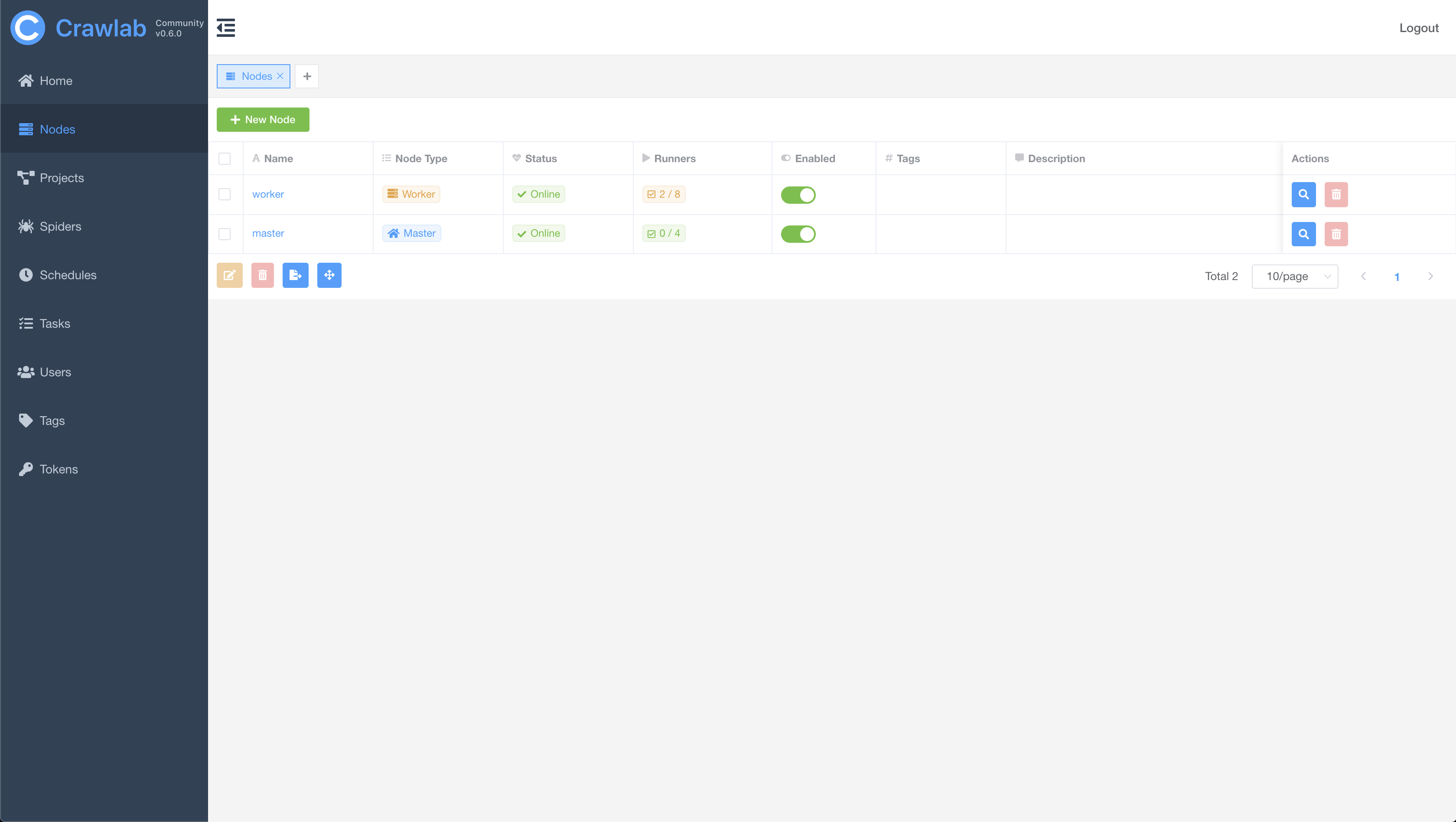
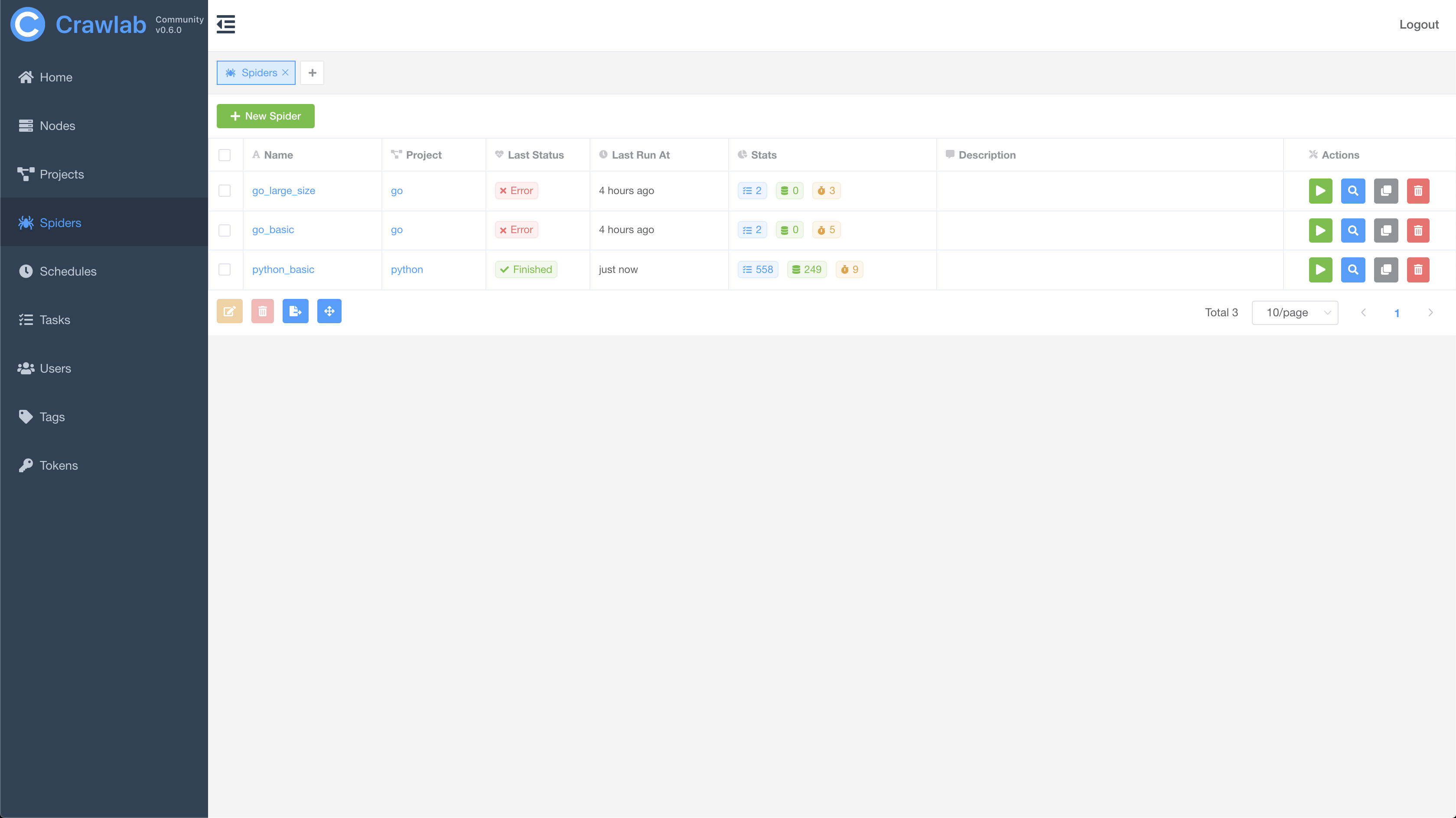
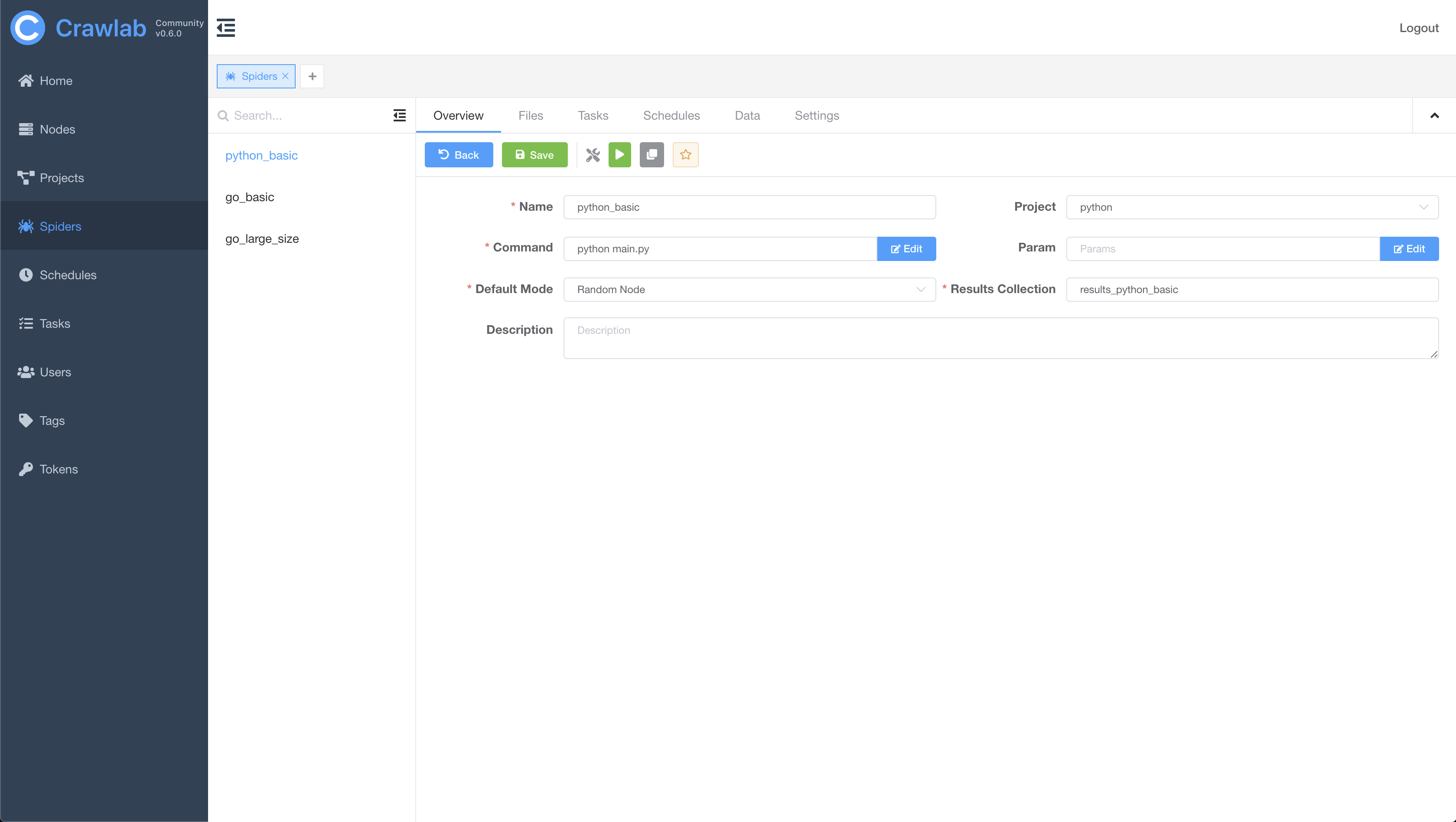
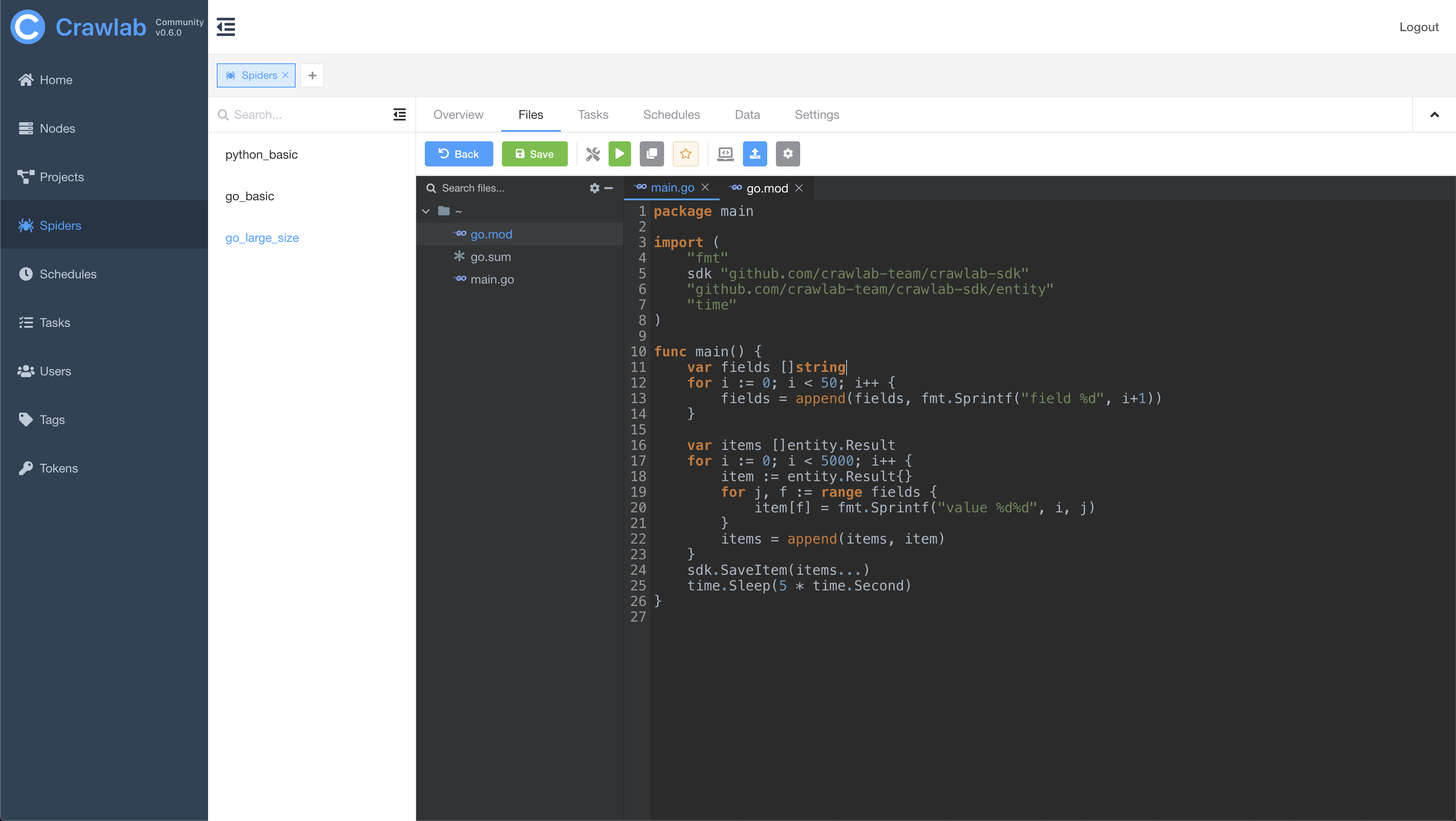
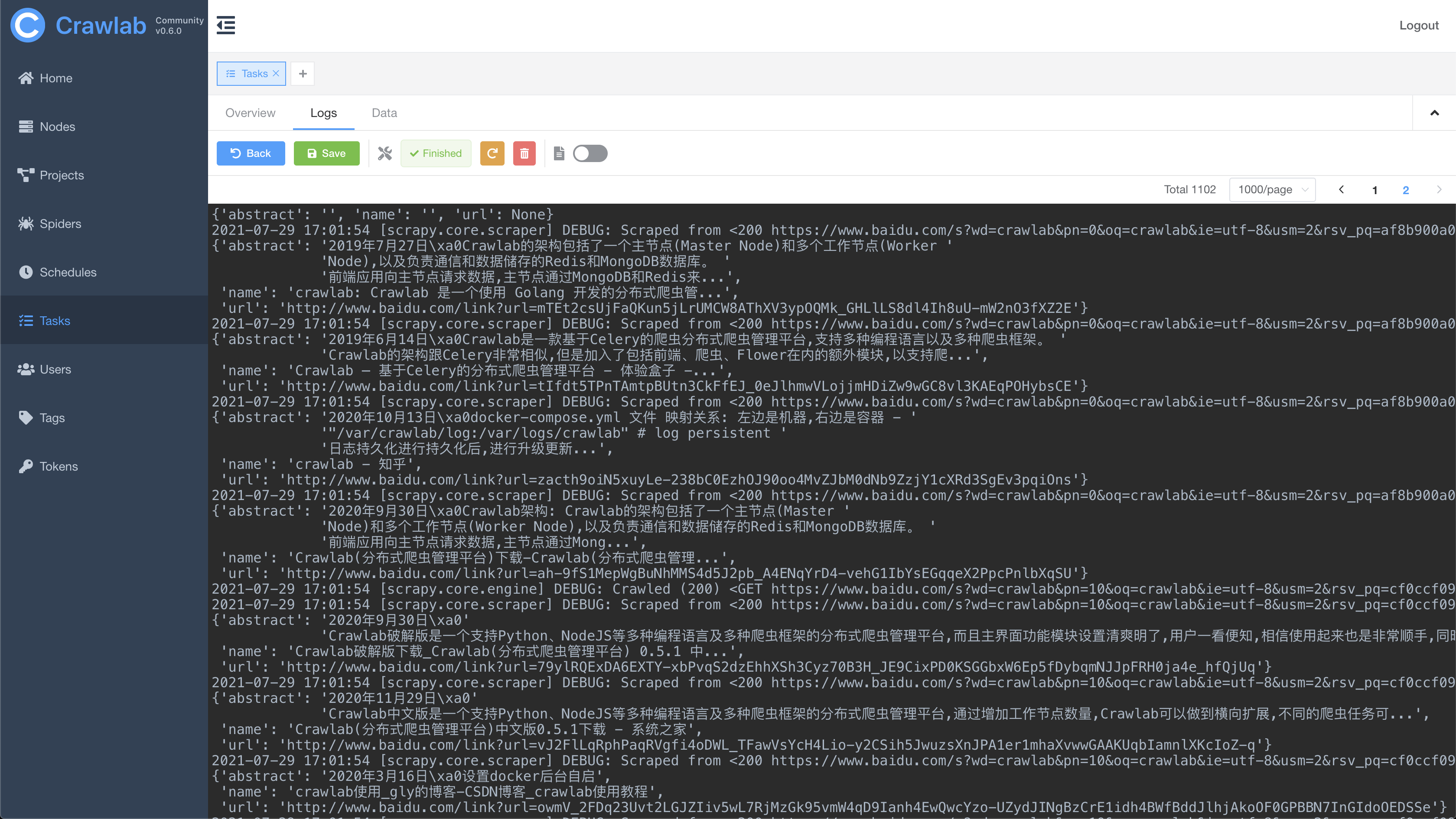
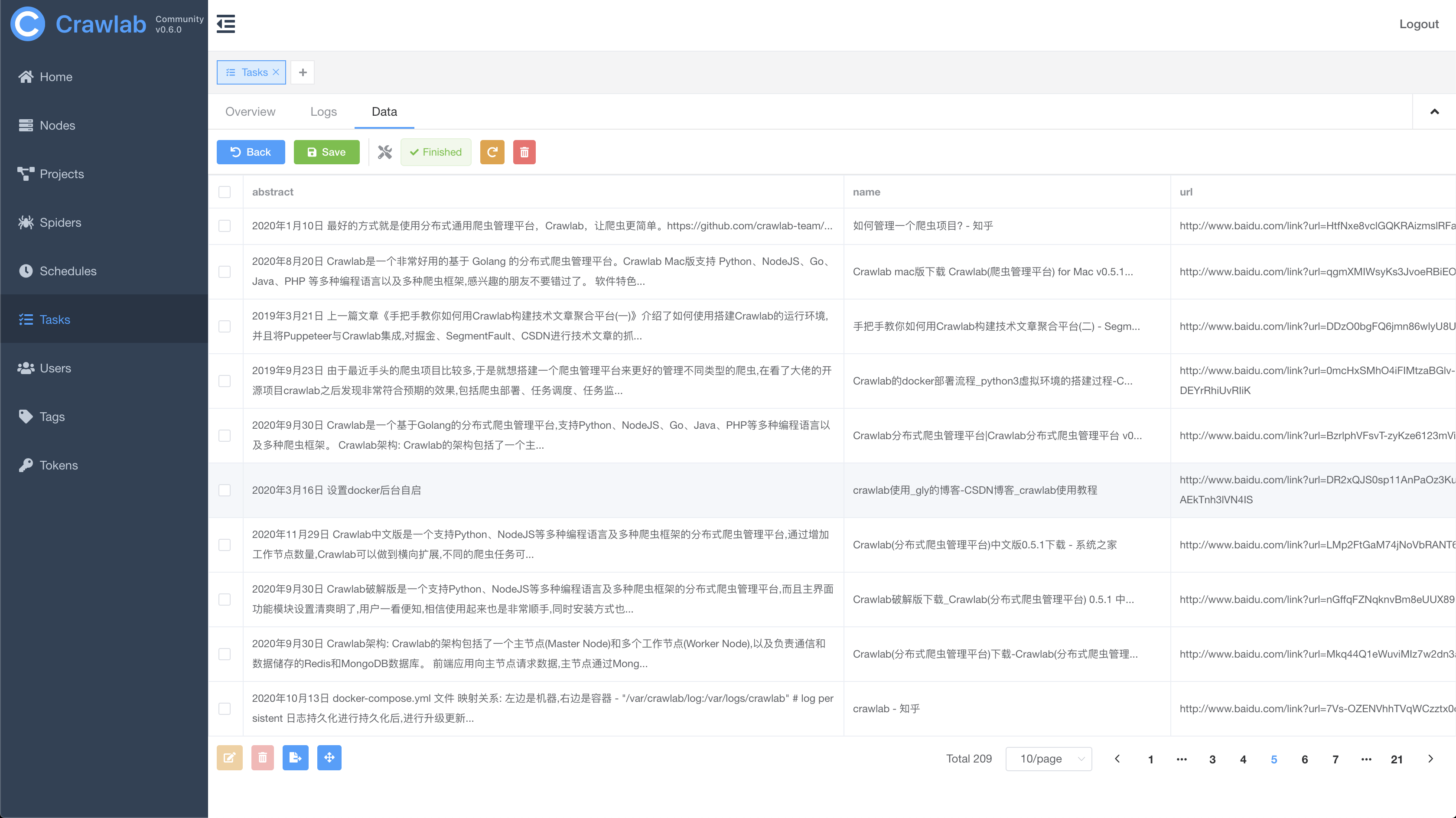
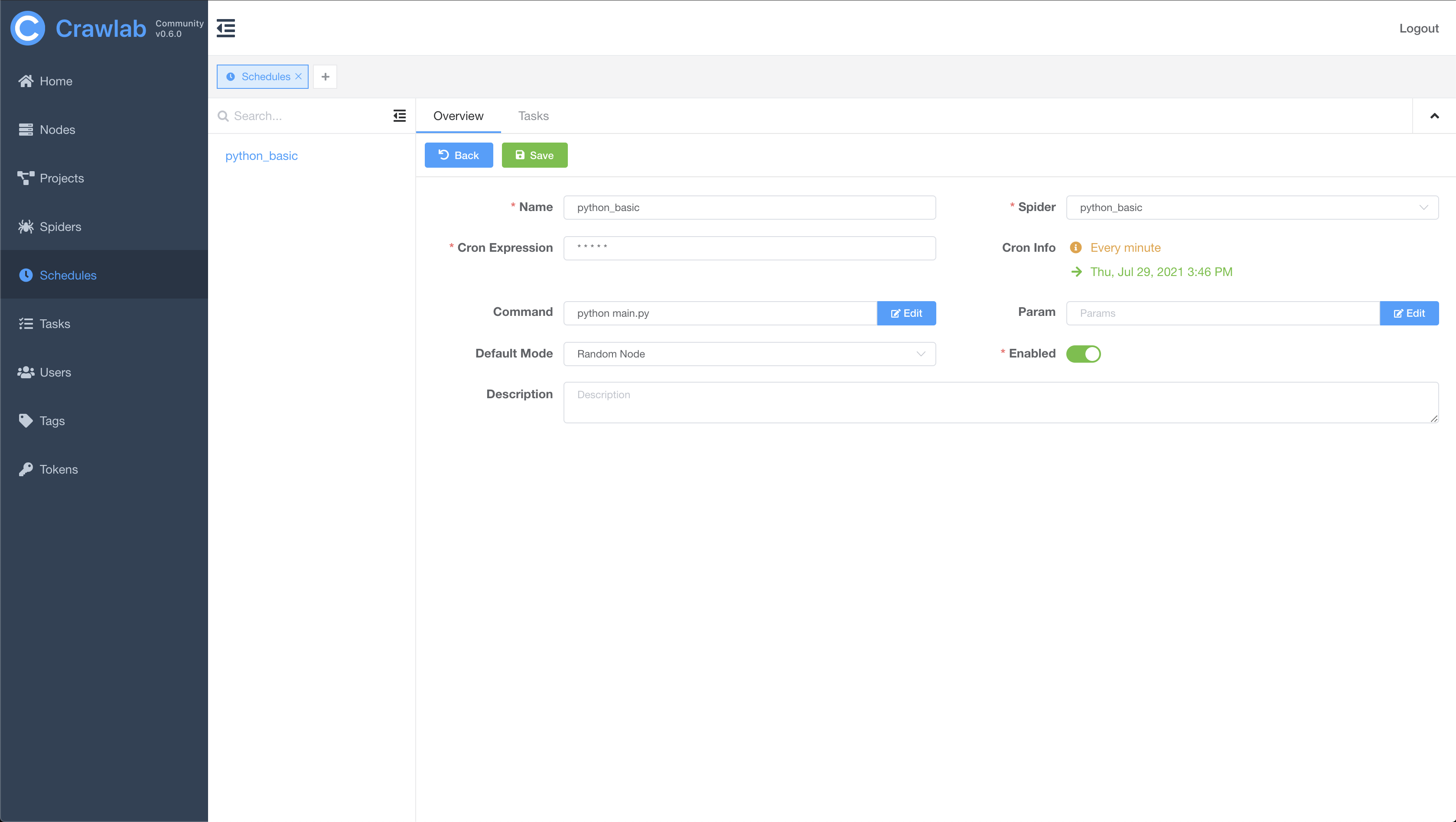
Crawlab is a browser-based control plane for teams that run many web crawlers or spiders, letting them deploy, schedule and monitor those jobs from one place. A master node handles task scheduling, worker-node management, spider deployment and the frontend/API, while worker nodes execute tasks and talk to it over gRPC, so capacity grows by adding machines. Spiders are language- and framework-agnostic: Python, Node.js, Go, Java or PHP programs (Scrapy, Puppeteer, Selenium included) run as shell commands, with the task ID handed to the process as an environment variable and an SDK helper available for pushing results back. The interface lists nodes, spiders and projects, offers an online code editor, cron schedules, task logs, result tables with CSV download, stats views and a Spider Market of open-source spiders. You run it with Docker Compose using the crawlabteam/crawlab image plus MongoDB, optionally with several worker containers; builds cover AMD64 and ARM64. The code is BSD-3-Clause and a free community edition exists, while the vendor sells Enterprise and one-off Permanent licences that bundle RBAC, unlimited nodes and priority support; the project's own comparison table notes spider versioning is not yet supported.
Crawlab alternatives
 crawlee-cloudCrawlee Cloud is a self-hosted, open-source platform for running Apify Actors on your own infrastructure with a web dashboard, CLI, and full Apify SDK compatibility.Comparecrawlee-cloud with Crawlab
 Crawl4AICrawl4AI converts websites into LLM-ready Markdown for RAG and AI agents. Self-host via pip/Docker or use the cloud API. Open-source Apache-2.0.CompareCrawl4AI with Crawlab
 maxunSelf-hosted and open-source web data platform: build scrape, crawl, extract, search and monitor robots in a no-code recorder or with an API, SDK, CLI or MCP.Comparemaxun with Crawlab
 crawler-buddySelf-hosted HTTP crawling server with unified JSON API for web scraping, RSS discovery, and metadata extraction from YouTube, Reddit, GitHub, HackerNews.Comparecrawler-buddy with Crawlab
 KrawlKrawl is a self-hosted web honeypot with AI-generated deception pages to detect and track malicious crawlers. Features a real-time dashboard and firewall integration.CompareKrawl with Crawlab
 webclawSelf-hosted web extraction turning pages into clean Markdown, JSON, and LLM-friendly text. CLI, HTTP API, and MCP server for AI assistants. Rust, AGPL-3.0.Comparewebclaw with Crawlab
 crawliecrawlie is a self-hosted, open-source technical SEO and GEO crawler with 57+ checks. Runs locally via CLI, MCP server, or Tauri desktop app.Comparecrawlie with Crawlab
 crawlseoSelf-hosted, open-source SEO dashboard for founders: Search Console reports, site audits, Web Vitals, rank tracking plus an MCP server.Comparecrawlseo with Crawlab
All self-hosted alternatives to Gerapy → All self-hosted alternatives to ScrapydWeb → All self-hosted alternatives to SpiderKeeper →
Should you self-host Crawlab?
Crawlab scores 61/100 on selfhost.directory (how scoring works) and ranks #8 of 16 in Web Scraping. It has 12 294 GitHub stars, +13 in the last 30 days.
There was no stable release in the past 12 months, so check the repository's recent activity before you rely on it.
Setup is moderate: expect some configuration beyond a single command. An official Docker image is available. It is BSD-3-Clause-licensed and written mostly in Go.
Its closest alternative on selfhost.directory is firecrawl (91/100, 199 847 stars). It scores higher overall, so compare the two before you pick. See Crawlab vs firecrawl side by side.
Features
- API access tokens
- Automatic dependency installation
- CSV Data Export
- Distributed node management
- Language and framework agnostic spiders
- No-code configurable spiders
- Notifications
- Online code editorv0.7 uses a Monaco-based editor
- Performance monitoring dashboard
- RBAC user managementListed among the paid Enterprise and Permanent plan benefits
- Scheduled (cron) tasks
- Spider Market
- Task logs
- Web-based admin UI
- Webhooks
Crawlab README

中文 | English
Installation | Run | Screenshot | Architecture | Integration | Compare | Community & Sponsorship | CHANGELOG | Disclaimer
Golang-based distributed web crawler management platform, supporting various languages including Python, NodeJS, Go, Java, PHP and various web crawler frameworks including Scrapy, Puppeteer, Selenium.
FAQ
Can I upgrade Crawlab to a higher version?
Yes, upgrades are possible while your plan is still within its validity period.
How to install Crawlab?
Follow the official documentation; Docker deployment is the simple route.
Does Crawlab support different programming languages?
Yes, Python, Node.js, Go and Java all work, independent of which framework you use.
Does Crawlab support Scrapy?
Yes, Scrapy spiders are supported for crawling data.
How does Crawlab work?
It is a web-based crawler development and management platform: one interface covers developing, running, monitoring and managing crawlers.
Does Crawlab support distributed crawling?
Yes, crawling is distributed and can be deployed across several machines.
Will technical support be provided?
Technical support comes with every paid plan.
Can I request an invoice?
Yes, invoices are provided on request.
I’m not sure if I need Crawlab, can I try it out before I buy?
Yes, a community edition is offered so you can test it before purchasing a paid plan.
More in Web Scraping
- crawlee-cloudCrawlee Cloud is a self-hosted, open-source platform for running Apify Actors on your own infrastructure with a web dashboard, CLI, and full Apify SDK compatibility.
- crawler-buddySelf-hosted HTTP crawling server with unified JSON API for web scraping, RSS discovery, and metadata extraction from YouTube, Reddit, GitHub, HackerNews.
 crwfastCRW is a self-hosted, open-source web scraping and search API in Rust with Firecrawl-compatible endpoints and native MCP server for AI agents.
 figraniumFigranium is a self-hosted, open-source browser automation platform for building visual workflows and triggering them via REST API with scheduling and proxy rotation.
 firecrawlSupercharge your AI agents with data from the web and beyond. Building the library for superintelligence. 🔥
 flaresolverrSelf-hosted open-source proxy that drives a real Chrome browser to solve Cloudflare and DDoS-Guard challenges, returning cookies and HTML to your HTTP clients.
 flight-finderSelf-hosted, open-source travel price tracker for flights, hotels, and car rentals using your own AI provider, with interactive charts and VPN price comparison.
 FredyFredy monitors 29 European property portals, deduplicates listings, calculates affordability and travel times, sends notifications via Slack, Telegram, Email, Discord.
 gpt-researcherSelf-hosted, open-source deep research agent: a planner splits your question, parallel researchers scan 20+ web or local sources, and it writes a cited report.
 HuginnSelf-hosted, open-source automation server where agents watch websites, RSS, mail and webhooks, then act on events and post to Slack, Telegram and other services.
 job-opsJobOps is a self-hosted, open-source job-search pipeline that pulls listings from 10+ job boards, scores fit with AI, rewrites your CV per role, and tracks every reply.
 KibitzrKibitzr is a self-hosted, open-source web monitoring tool that checks pages for changes and sends notifications via email, Slack, Telegram, and more.
0 comments